How Does the SMART Program Work for Massachusetts Solar Homeowners?
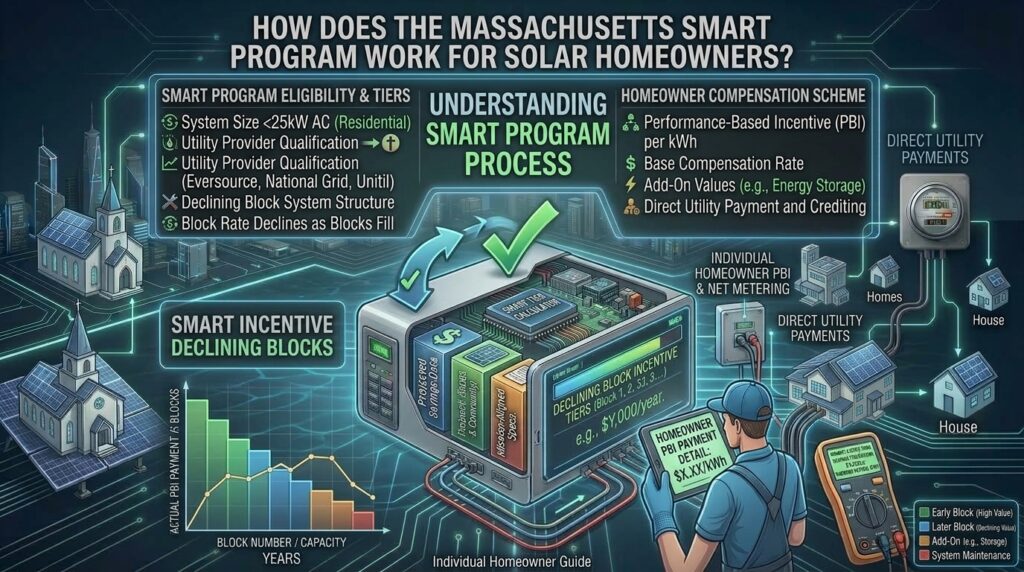
Massachusetts homeowners considering solar often hear about state incentives that can improve the long-term value of a solar installation. One of the most important programs to understand is the Solar Massachusetts Renewable Target (SMART) program. SMART is a state solar incentive program designed to encourage solar energy development by providing compensation for eligible solar projects.
For homeowners, SMART can be an important part of understanding the financial picture of going solar. However, program rules, compensation structures, utility requirements, and eligibility details can change over time. Homeowners should always verify the latest requirements through official Massachusetts resources and their solar professional before making decisions. :contentReference[oaicite:0]{index=0}
Rumos Chem provides residential solar information and installation guidance for homeowners, including those researching incentives and solar options. While Massachusetts homeowners have their own state-specific programs, understanding how incentives like SMART work can help homeowners make more informed solar decisions.
What Is the Massachusetts SMART Program?
The Solar Massachusetts Renewable Target (SMART) program is administered through the Massachusetts Department of Energy Resources (DOER). It provides a tariff-based incentive for qualifying solar photovoltaic (PV) projects connected to the Massachusetts electric grid. Instead of functioning like a traditional rebate paid upfront, SMART provides compensation based on the electricity generated by an eligible solar system. :contentReference[oaicite:1]{index=1}
The program is designed around solar production. In general, eligible solar projects receive compensation tied to the amount of electricity the system produces, with the final amount depending on factors such as system characteristics, program rules in effect at the time of application, and applicable utility tariff requirements. :contentReference[oaicite:2]{index=2}
How Does SMART Compensation Work?
SMART compensation is based on a tariff structure rather than a simple one-time incentive check. When an eligible solar project is approved, it receives a compensation rate that determines how payments are calculated over the applicable incentive period.
The compensation structure can vary depending on the project category. Factors that may influence compensation include:
- The size and classification of the solar system
- The program year and available capacity when the application is submitted
- The utility service territory
- Whether the project qualifies for additional program features or adders
- How the system is interconnected and how energy credits are handled
Under current SMART rules, eligible projects receive compensation through utility tariff mechanisms after receiving program approval. Specific compensation terms should always be checked against current program documentation because rates and requirements can change. :contentReference[oaicite:3]{index=3}
SMART Adders and Additional Benefits
Some solar projects may qualify for additional compensation factors known as adders. These are designed to encourage certain types of solar installations or project features.
| Potential SMART Feature | What It Relates To |
|---|---|
| Energy storage | Solar systems paired with qualifying battery storage may receive additional program consideration if requirements are met. |
| Location-based features | Certain installation locations or project types may qualify for additional compensation. |
| Customer or community-focused projects | Some programs recognize projects serving specific customer groups or shared solar arrangements. |
The availability and value of adders depend on current SMART rules and eligibility guidelines. Homeowners should not assume that every solar installation qualifies for additional incentives. :contentReference[oaicite:4]{index=4}
Who Can Qualify for SMART?
SMART eligibility depends on the type of solar project, its location, utility connection, and compliance with program requirements. Residential homeowners are generally interested in the program because their rooftop solar system may qualify if it meets the required standards.
Common considerations include:
- The solar panels must use eligible photovoltaic technology.
- The system must be interconnected according to Massachusetts utility requirements.
- The project must follow SMART application and qualification procedures.
- The installation must meet applicable program rules in place when applying.
Massachusetts utilities involved in SMART include major electric distribution companies such as Eversource, National Grid, and Unitil. Requirements can vary depending on the utility territory, so homeowners should confirm details with their installer and utility provider. :contentReference[oaicite:5]{index=5}
How SMART Works With Utility Programs
A common question among homeowners is how SMART interacts with their electric utility. Solar customers usually deal with multiple parts of the process, including:
| Part of the Process | What It Means for Homeowners |
|---|---|
| Interconnection | The solar system must be approved and connected to the utility grid under applicable utility procedures. |
| SMART application | The project must be submitted through the required program process and receive qualification approval. |
| Solar production | The system generates electricity, which is used to calculate applicable compensation. |
| Utility billing and credits | Customers may have additional considerations involving net metering, tariffs, or other utility credit structures. |
Because utility tariffs and solar compensation rules can change, homeowners should review current information before signing a solar contract. The way energy credits appear on a bill can depend on the specific utility, system design, and applicable regulations.
Steps for Applying for the SMART Program
While the exact process depends on the project and current program requirements, homeowners typically go through several major steps:
1. Evaluate Your Home for Solar
A solar professional reviews factors such as roof condition, available sunlight, electrical equipment, energy usage, and system design options.
2. Review Financing and Ownership Options
Homeowners should compare ownership structures, financing choices, and contract terms. The way a system is owned may affect how incentives and payments are handled.
3. Complete Utility Interconnection Requirements
The solar project must go through the appropriate utility approval process before it can operate as a grid-connected system.
4. Submit SMART Documentation
The required application materials are submitted through the SMART program process. Documentation requirements may include project details, system information, and other compliance materials.
5. Receive Program Qualification
If approved, the project receives confirmation of SMART eligibility and the applicable compensation structure.
Why Homeowners Should Verify Current SMART Rules
Solar incentive programs are updated periodically. Massachusetts has adjusted SMART program rules over time, including changes related to program versions, application requirements, and compensation structures. :contentReference[oaicite:6]{index=6}
Before making a solar investment, homeowners should verify:
- The current SMART program version and eligibility requirements
- Whether their utility participates under the current rules
- How compensation is calculated for their specific system
- Whether their project qualifies for any additional incentives
- How SMART interacts with other available solar benefits
Checking current information helps homeowners avoid relying on outdated incentive assumptions when comparing solar options.
Frequently Asked Questions About SMART Solar Incentives
Does SMART pay homeowners a rebate for installing solar?
SMART is not structured like a simple upfront rebate. Instead, eligible solar projects receive compensation through a tariff-based incentive system tied to solar production. The exact compensation depends on current program rules and project details.
Do all Massachusetts solar homes qualify for SMART?
No. A solar installation must meet program requirements, including eligibility, utility connection, and application rules. Homeowners should confirm qualification before assuming they will receive SMART compensation.
Can battery storage affect SMART eligibility?
Battery storage may affect a project’s eligibility for certain SMART features or adders when program requirements are met. Storage rules should be reviewed based on the current SMART guidelines.
Does SMART replace net metering?
No. SMART and utility programs such as net metering are separate mechanisms. How they work together depends on the project design, utility rules, and current Massachusetts regulations.
Where can homeowners check current SMART requirements?
Homeowners should review the latest information from the Massachusetts Department of Energy Resources and consult with qualified solar professionals who understand current Massachusetts solar requirements. :contentReference[oaicite:7]{index=7}
Understanding SMART Before Going Solar
The Massachusetts SMART program can be an important consideration for homeowners exploring solar energy. By connecting solar production with a long-term tariff-based incentive, the program helps create a structured way for eligible solar projects to receive compensation.
However, solar incentives are not one-size-fits-all. System size, utility territory, ownership structure, application timing, and changing regulations can all influence the final outcome. Homeowners should review current program information, ask detailed questions about their proposed solar project, and confirm all assumptions before moving forward.