Does Adding Solar Panels Raise Your Home’s Appraisal Value?
Many homeowners consider solar panels for lower electricity costs, energy independence, and environmental benefits. But if you are thinking about installing solar in St. Louis, Missouri, you may also wonder: Does adding solar panels raise your home’s appraisal value?
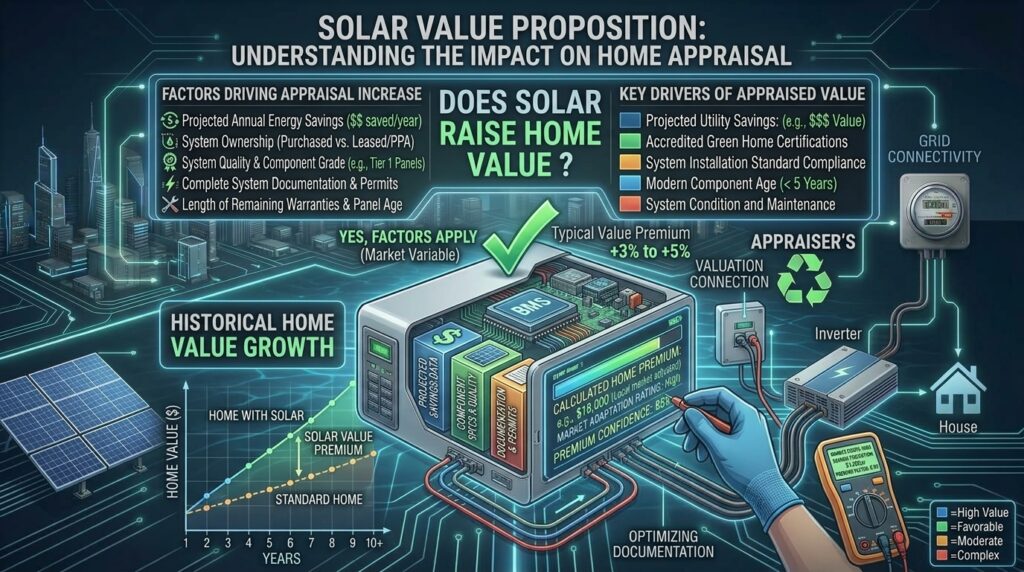
The answer depends on several factors, including who owns the system, how the solar installation is financed, the condition of the equipment, local buyer interest, and the information available to the appraiser. A properly documented, homeowner-owned solar system may contribute value to a property, but solar does not automatically increase an appraisal by the installation cost or guarantee a higher sale price. :contentReference[oaicite:0]{index=0}
For homeowners working with Rumos Chem in the St. Louis area, understanding how solar is viewed during an appraisal can help you make a more informed decision about your energy investment.
How Solar Panels Can Affect a Home Appraisal
An appraisal estimates a home’s market value based on factors such as location, size, condition, comparable sales, and features that buyers in that market recognize as valuable. Solar panels can be considered an energy-related improvement, similar to other upgrades that may affect buyer interest.
However, appraisers do not typically add value simply because a homeowner spent a certain amount installing solar. Instead, they look at the solar system’s contribution to the property and how buyers in the area respond to homes with similar features. Federal appraisal guidance notes that energy improvements must be evaluated based on market reaction rather than a simple dollar-for-dollar calculation of installation costs. :contentReference[oaicite:1]{index=1}
Owned Solar Panels vs. Leased Solar: Why Ownership Matters
The ownership structure of a solar system is one of the most important factors in an appraisal. Two homes may have identical panels on the roof but receive different appraisal treatment because of how the systems were obtained.
| Solar Arrangement | What It Means | Potential Appraisal Consideration |
|---|---|---|
| Owned solar system | The homeowner owns the panels outright or owns them under qualifying financing arrangements. | The system may be considered as part of the property’s value when supported by appraisal standards and market evidence. |
| Solar loan | The homeowner finances the system but may have additional agreements connected to the equipment. | Treatment depends on the financing structure, liens, and whether the system is considered part of the real property. |
| Solar lease | A third party owns the panels and the homeowner pays for use of the system. | The panels generally are not treated the same as homeowner-owned improvements for appraisal purposes. |
| Power Purchase Agreement (PPA) | The homeowner purchases electricity produced by a system owned by another company. | The agreement may need review during a home sale and generally does not provide the same ownership benefits as owned solar. |
Major mortgage guidelines distinguish between homeowner-owned systems and third-party-owned systems such as leases and PPAs. Ownership, liens, and contract terms can affect whether solar contributes to appraised value. :contentReference[oaicite:2]{index=2}
What Appraisers Look At When Evaluating Solar
A solar installation is more than just the panels visible on a roof. Appraisers may consider multiple details when analyzing how the system affects the home.
System Ownership and Financing
The first question is usually whether the homeowner owns the equipment. Appraisers and lenders may need documentation showing whether the system is owned, leased, financed, or connected to another agreement.
System Size and Equipment Quality
The size of the solar array, age of the equipment, inverter type, warranties, and overall condition can help explain the system’s usefulness and expected remaining service life.
Energy Production Information
Production estimates, monitoring reports, and historical energy information can help show how the system performs. A system that is properly maintained and producing expected energy may be easier to evaluate than one without records.
Local Real Estate Market Conditions
Solar value is highly dependent on location. In areas where buyers actively seek energy-efficient homes, solar may receive more attention. In other markets, buyers may place less emphasis on renewable energy features.
Documentation That Can Help During an Appraisal
Keeping solar paperwork organized can make the appraisal process smoother. A homeowner should consider maintaining records such as:
- Solar purchase agreement or ownership documents
- Installation contract
- System design information
- Panel and inverter specifications
- Warranty documents
- Permits and inspection records
- Utility interconnection approval documents, if applicable
- Solar monitoring reports or production history
- Loan documents or information about financing agreements
Clear documentation helps the appraiser understand what is installed, who owns it, and what benefits it provides.
Does Solar Add Value Equal to Its Installation Cost?
A common misconception is that a solar installation automatically increases a home’s value by the exact amount spent on the project. Appraisal methods do not generally work that way.
The value contribution of solar depends on market evidence, comparable properties, buyer preferences, system ownership, and other property characteristics. A homeowner may receive benefits from lower electricity costs while living in the home, but those savings do not always translate directly into the same amount of added appraisal value.
The U.S. Department of Energy notes that homeowner-owned solar systems have been associated with increased home value in certain studies, while also emphasizing that results depend on ownership structure and market conditions. :contentReference[oaicite:3]{index=3}
How Solar Leases and PPAs Can Affect Home Sales
Third-party-owned solar agreements require extra attention when selling a home. A buyer may need to assume the agreement, the contract may need to be transferred, or other arrangements may be required depending on the terms.
Homeowners with leased solar or PPAs should review their agreement before listing their property. Important questions include:
- Can the agreement be transferred to a buyer?
- Are there fees associated with transferring the contract?
- Will the buyer qualify to assume the agreement?
- Does the agreement affect financing options?
The Department of Energy recommends understanding the ownership structure and contractual obligations associated with solar panels before buying or selling a home with solar. :contentReference[oaicite:4]{index=4}
Solar Panels in the St. Louis Housing Market
For homeowners in St. Louis, solar value should be considered in the context of the local market. Missouri homes vary widely in age, utility costs, roof conditions, and buyer preferences. A well-installed solar system may appeal to buyers interested in energy savings, but the final appraisal depends on available market evidence.
Because every home is different, homeowners should view solar as an investment with multiple benefits rather than only an appraisal strategy. Lower energy expenses, improved energy resilience, and reduced reliance on traditional electricity sources can all be important parts of the decision.
Frequently Asked Questions About Solar Panels and Home Appraisals
Do solar panels always increase a home’s appraisal value?
No. Solar panels may contribute value in some situations, especially when the homeowner owns the system and documentation is available. However, there is no guarantee that every solar installation will increase an appraisal.
Are leased solar panels included in home value?
Leased solar panels and PPAs are treated differently from owned systems because the homeowner does not own the equipment. The agreement terms and lending requirements can affect how the system is considered.
Should I keep solar records after installation?
Yes. Keeping ownership documents, warranties, permits, and system information can help demonstrate the features and condition of the solar installation.
Will installing solar increase my home’s resale price?
Solar may influence buyer interest, but resale results depend on the local market, buyer preferences, system ownership, and other factors affecting the home’s value.
Does the cost of solar installation determine the added home value?
No. Appraisers generally evaluate the market contribution of improvements rather than automatically adding the installation cost to the home’s value.
Final Thoughts: Solar Can Add Benefits Beyond Appraisal Value
Adding solar panels can be a valuable home improvement, but homeowners should understand that appraisal value is not guaranteed. Owned solar systems with strong documentation and a clear ownership structure are generally easier to evaluate than leased or third-party-owned systems.
For St. Louis homeowners considering solar, the best approach is to look at the complete picture: energy savings, long-term ownership benefits, environmental goals, and potential effects on future home transactions. A professionally planned solar installation can provide meaningful benefits while also creating an attractive energy feature for the right buyers.