Solar panels are designed to operate outdoors for decades, but regular care can help homeowners and businesses get the most value from their solar investment. While solar systems generally require less maintenance than many other home energy technologies, keeping panels clean and checking system performance can help support consistent energy production.
For residential and commercial solar customers, understanding solar panel cleaning and maintenance basics is an important part of protecting a long-term investment. Dirt, dust, pollen, leaves, bird droppings, and other debris can collect on panel surfaces and may reduce the amount of sunlight reaching the solar cells. In addition, monitoring your system can help identify potential issues before they become larger problems.
Rumos Chem helps homeowners and businesses make the most of their solar systems with professional installation guidance and reliable solar solutions. This practical guide explains how solar panel maintenance works, when cleaning may be needed, and how to create a simple care plan for your system.
Why Solar Panel Cleaning and Maintenance Matter
Solar panels are built with durable materials and typically require limited upkeep. However, they are constantly exposed to outdoor conditions. Over time, environmental factors can affect how effectively sunlight reaches the panels.
Common causes of solar panel surface buildup include:
- Dust and dirt from roads, construction, or dry weather
- Pollen and organic debris from nearby trees
- Leaves, branches, and other natural materials
- Bird droppings and residue
- Salt deposits in coastal environments
- Snow or ice accumulation in colder climates
The impact of buildup varies depending on factors such as climate, panel angle, rainfall, surrounding landscape, and the amount of debris present. In many areas, occasional rainfall naturally removes some dust, but rain may not fully clean stubborn materials.
| Maintenance Task | Purpose | Recommended Approach |
|---|---|---|
| Panel cleaning | Remove dirt and debris that may block sunlight | Clean when buildup is noticeable or when system output changes |
| Performance monitoring | Track energy production and identify unusual changes | Review monitoring data periodically |
| Visual inspections | Check for visible damage or obstructions | Inspect panels, wiring areas, and nearby surroundings safely |
| Professional servicing | Address technical concerns and system issues | Contact qualified solar professionals when needed |
How Often Should Solar Panels Be Cleaned?
There is no single cleaning schedule that works for every solar system. The right frequency depends on local conditions and how quickly debris accumulates.
Factors That Influence Cleaning Frequency
- Climate: Dry regions may experience more dust buildup, while areas with frequent rainfall may require less manual cleaning.
- Nearby trees: Homes surrounded by trees may collect more leaves, pollen, and bird activity.
- Roof design: Steeper panels often shed debris more easily than flatter installations.
- Location: Commercial properties near highways, farms, or industrial areas may experience additional airborne particles.
- System monitoring results: A noticeable decline in expected energy production may indicate that inspection or cleaning is needed.
Many homeowners find that occasional inspections and cleaning when necessary are sufficient. Some systems may benefit from cleaning once or twice a year, while others may need attention less often.
DIY Solar Panel Cleaning vs Professional Maintenance
Some homeowners choose to clean accessible panels themselves, while others prefer professional maintenance services. The best option depends on system location, roof access, safety considerations, and the level of cleaning required.
| Option | Advantages | Considerations |
|---|---|---|
| DIY cleaning |
|
|
| Professional maintenance |
|
|
How to Clean Solar Panels Safely
If homeowners decide to perform basic solar panel cleaning, safety should always come first. Solar panels are electrical equipment, and roof work can create fall hazards.
Basic Solar Panel Cleaning Tips
- Follow the solar equipment manufacturer’s recommendations before cleaning.
- Turn off the system if required by the manufacturer or installer instructions.
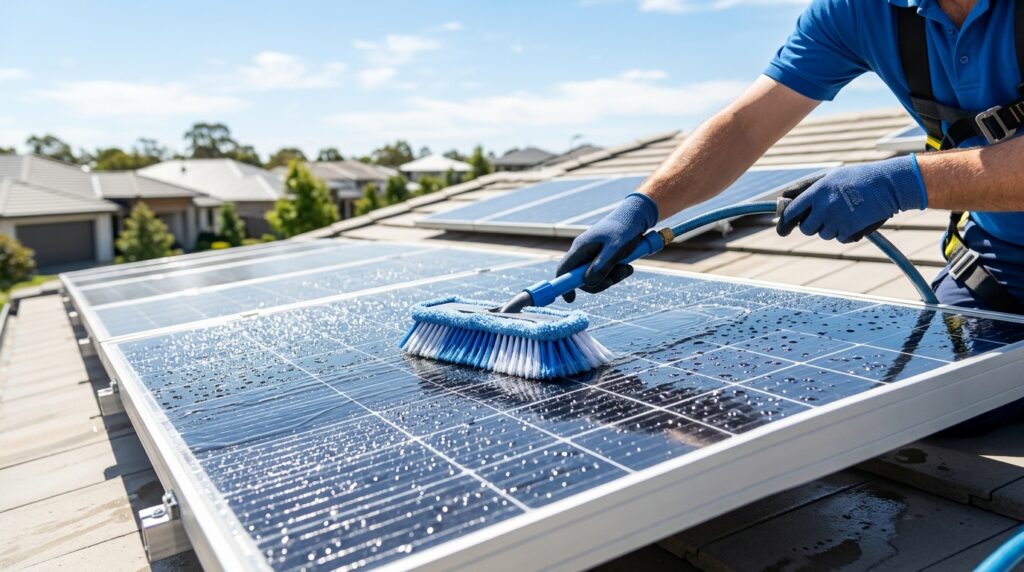
- Use clean water and a soft brush or sponge designed for delicate surfaces.
- Avoid abrasive materials that could scratch panel glass.
- Do not use harsh chemicals unless specifically recommended.
- Clean during cooler parts of the day to reduce rapid drying and streaking.
- Avoid walking on solar panels, as this can damage equipment.
For panels installed on steep roofs or difficult-to-access areas, professional maintenance is often the safer choice.
Solar Panel Maintenance Beyond Cleaning
Cleaning is only one part of maintaining a solar energy system. Regular monitoring and occasional inspections can help ensure your system continues operating as expected.
Key Maintenance Areas to Monitor
- Energy production: Compare current performance with your typical system output and seasonal patterns.
- Inverter operation: Check inverter displays or monitoring apps for alerts or unusual messages.
- Physical condition: Look for visible cracks, loose components, or damage after severe weather.
- Shade changes: New tree growth or nearby construction can affect sunlight exposure.
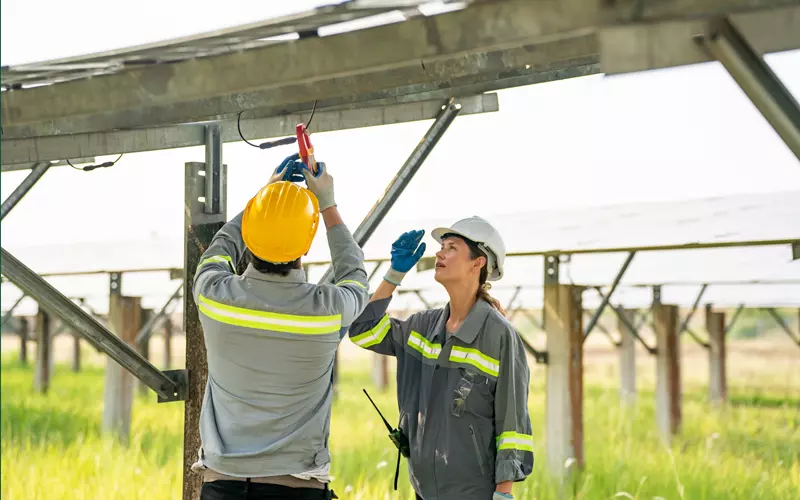
- Electrical components: Professional inspections can help evaluate wiring and connections.
Practical Tips: How to Create a Solar Maintenance Plan
A simple maintenance routine can help homeowners protect their solar investment without unnecessary work. Consider the following steps when creating a care plan:
- Review system performance regularly: Use your monitoring platform to watch for unusual production changes.
- Schedule seasonal checks: Consider inspections after periods of heavy storms, pollen seasons, or increased debris.
- Keep records: Save installation documents, equipment information, and maintenance notes.
- Maintain the surrounding area: Trim vegetation that creates new shading or increases debris.
- Know when to call professionals: Electrical concerns, roof access issues, or system warnings should be handled by qualified technicians.
Common Solar Panel Cleaning Mistakes to Avoid
Proper care helps prevent accidental damage. Avoid these common mistakes:
- Using abrasive cleaning tools that may scratch the panel surface
- Applying unnecessary pressure while cleaning
- Ignoring system alerts or unusual production changes
- Attempting unsafe roof work without proper equipment
- Using cleaning products that are not suitable for solar panels
Frequently Asked Questions About Solar Panel Maintenance
1. Do solar panels need regular cleaning?
Solar panels usually require limited maintenance, but cleaning may be helpful when dirt, dust, leaves, or other debris build up. The need for cleaning depends on environmental conditions, panel placement, and system performance.
2. Can rain clean solar panels?
Rain can remove some surface dust and debris, but it may not eliminate heavier buildup such as bird droppings or stuck-on residue. Occasional inspections can help determine whether additional cleaning is needed.
3. How can I tell if my solar panels need maintenance?
Signs that your system may need attention include visible debris buildup, unexpected changes in energy production, monitoring alerts, or physical damage noticed during a visual inspection.
4. Should I hire a professional to clean my solar panels?
Professional cleaning may be a good option for homes and businesses with difficult roof access, large solar arrays, or safety concerns. A qualified solar professional can also inspect the system during maintenance.
Conclusion: Protect Your Solar Investment With Proper Maintenance
Solar panels are designed for long-term performance, but simple maintenance habits can help homeowners and businesses keep their systems operating effectively. Regular monitoring, safe cleaning practices, and professional inspections when needed can support reliable solar energy production for years.
Whether you are considering a new solar installation or want guidance on maintaining your existing system, Rumos Chem can help. Contact our team today to request a free solar quote and learn how a professionally designed solar solution can support your energy goals.