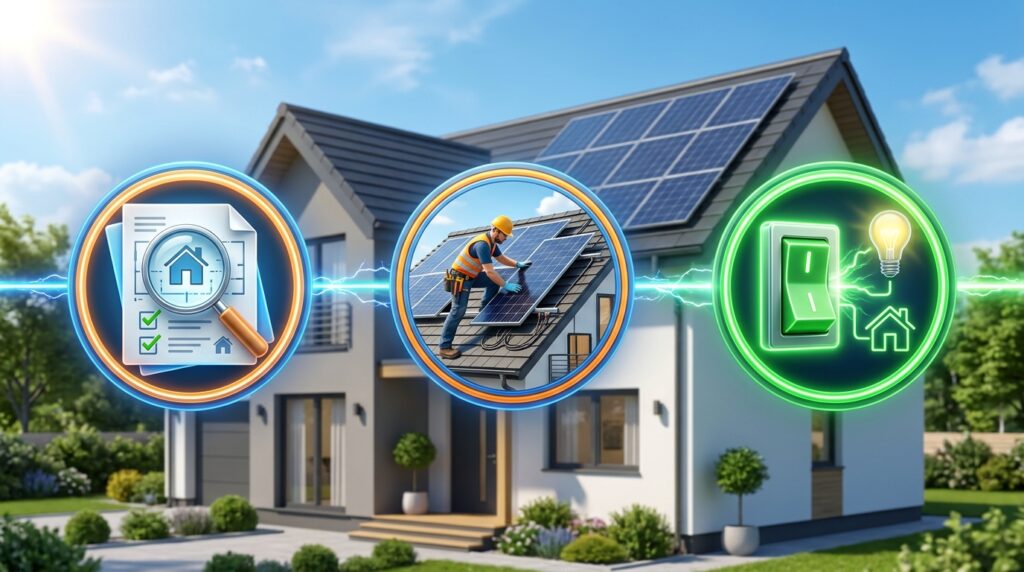
How Long Does a Solar Panel Installation Take? From Quote to Activation
Switching to solar energy is an exciting step for homeowners and businesses looking to reduce reliance on traditional electricity sources and gain more control over their energy use. One of the most common questions customers ask before starting a solar project is: how long does a solar panel installation take?
The physical installation of solar panels is often completed within a few days, but the complete process—from the first consultation to system activation—usually involves several stages. Factors such as system size, property type, permitting requirements, utility approval timelines, and equipment availability can all affect the schedule.
At Rumos Chem, we help residential and commercial customers understand every step of their solar journey. This guide explains the typical solar installation timeline, what happens during each phase, and how you can prepare for a smoother installation experience.
Typical Solar Installation Timeline: From Consultation to Activation
While every solar project is different, most installations follow a similar process. The overall timeline can range from several weeks to a few months depending on local requirements and project complexity.
| Solar Installation Stage | Typical Timeframe | What Happens |
|---|---|---|
| Initial consultation and quote | Several days to a few weeks | Energy needs are reviewed, property details are evaluated, and a solar proposal is prepared. |
| Site assessment | About 1 day to a few weeks | A technician checks roof condition, electrical systems, shading, and installation requirements. |
| Design and paperwork | Several weeks | The solar system design is finalized and required documents are prepared. |
| Permitting and approvals | Varies by location | Local approvals and utility-related steps are completed before installation begins. |
| Solar panel installation | Usually 1–3 days for many residential systems | Panels, inverters, wiring, and mounting equipment are installed. |
| Inspection and activation | Days to several weeks | The system is inspected, approved, and connected for operation. |
Step 1: Getting a Solar Quote and Reviewing Your Options
The solar process begins with a consultation. During this stage, a solar provider reviews your electricity usage, property characteristics, and energy goals.
A professional solar quote typically considers:
- Your current electricity consumption and future energy needs
- Available roof space or potential ground-mount locations
- Roof orientation, condition, and shading patterns
- Solar panel and inverter options
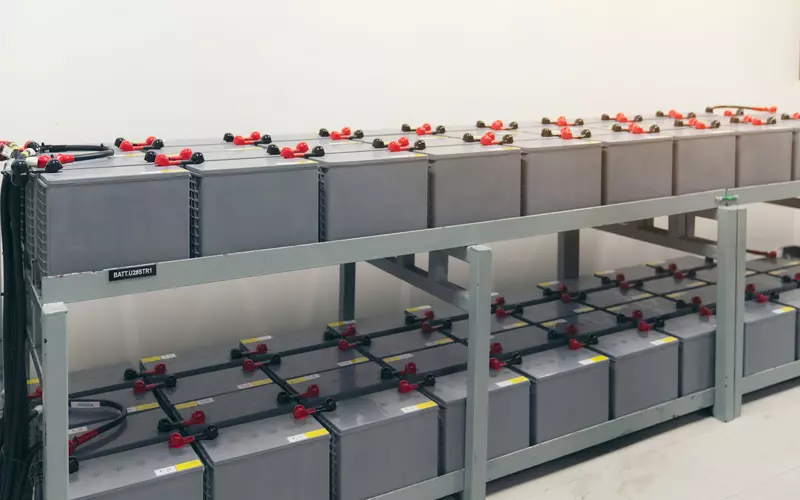
- Battery storage preferences, if desired
- Installation requirements for your property type
The quote stage may take anywhere from a few days to several weeks depending on how quickly information can be collected and how detailed the system design needs to be.
Step 2: Solar Site Assessment and System Design
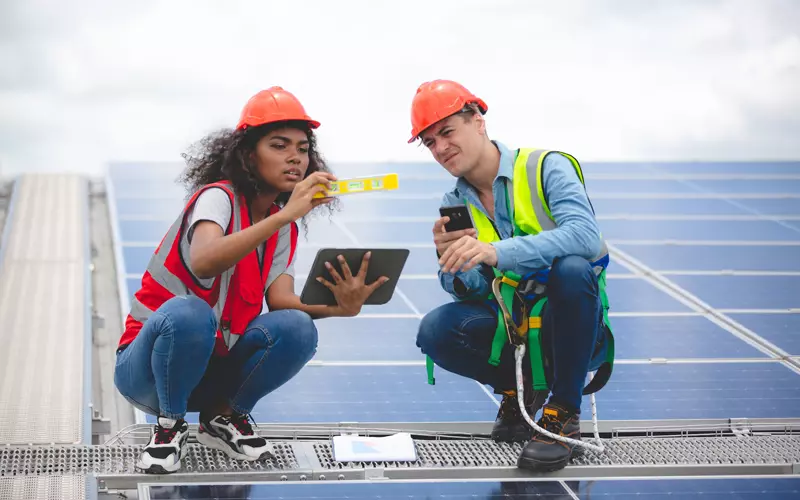
After reviewing the initial proposal, the next step is usually a detailed site evaluation. A solar professional visits the property to confirm measurements and identify any installation challenges.
What Happens During a Solar Site Assessment?
- The roof structure and available installation areas are inspected.
- Electrical equipment is reviewed to determine compatibility.
- Potential shading issues from trees or nearby structures are evaluated.
- Panel placement and wiring routes are planned.
- Final system specifications are confirmed.
For commercial solar projects, this phase may require additional planning because larger systems often involve more complex electrical designs, structural reviews, and energy requirements.
Step 3: Permits, Documentation, and Approvals
Before installation can begin, solar projects typically require documentation and approvals from relevant local authorities and utility providers. The exact process depends on your location and project type.
This stage can sometimes be the longest part of the solar installation timeline because approval times vary significantly between regions.
| Factor | How It Can Affect Installation Time |
|---|---|
| Local permitting process | Some areas process applications quickly, while others may require additional reviews. |
| System size | Larger residential and commercial systems may require more detailed planning. |
| Utility requirements | Connection approval steps may vary depending on the utility company. |
| Property conditions | Roof upgrades or electrical improvements can add time before installation. |
Step 4: Solar Panel Installation Day
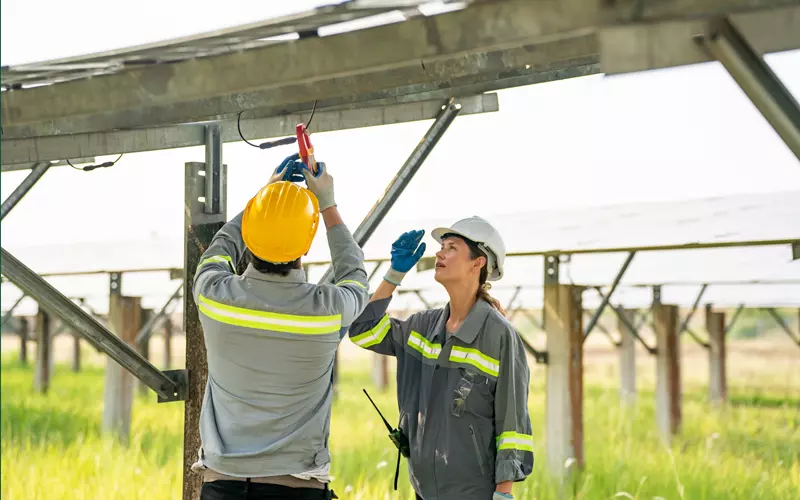
Once approvals are complete, the physical installation process begins. Many residential solar installations are completed within one to three days, although larger or more complex projects may take longer.
What Happens During Installation?
- Safety equipment and protective measures are prepared.
- Mounting hardware is installed on the roof or ground structure.
- Solar panels are secured in place.
- Electrical wiring is connected to the inverter and electrical system.
- Monitoring equipment is installed so system performance can be tracked.
Experienced installation teams focus on completing the project efficiently while maintaining proper workmanship and safety standards.
Step 5: Inspection, Utility Connection, and Solar Activation
After installation is complete, the system generally goes through a final review process. Depending on your location, this may include an inspection and approval from the appropriate parties before the solar system can operate fully.
Once approval is complete, your solar system can be activated. At this point, your panels begin generating electricity, and you can monitor production through your solar monitoring system.
Residential vs Commercial Solar Installation Timeline
Residential and commercial solar projects follow similar steps, but commercial systems often involve additional design, engineering, and approval requirements.
| Project Type | Typical Installation Characteristics | Timeline Considerations |
|---|---|---|
| Residential solar | Smaller systems designed for individual homes | Often completed faster due to simpler designs and fewer construction requirements. |
| Small commercial solar | Systems designed for offices, retail spaces, or small facilities | May require additional electrical planning and documentation. |
| Large commercial solar | Larger-scale systems with higher energy production goals | May require extended design, engineering, and approval timelines. |
How to Choose a Solar Installer for a Faster, Smoother Process
The right solar installation company can help prevent unnecessary delays and make the entire process easier to manage. When choosing a solar provider, consider these practical tips:
- Look for experience: Choose an installer familiar with residential and commercial solar projects similar to yours.
- Ask about the process: A reliable company should clearly explain timelines, responsibilities, and project milestones.
- Review equipment options: Quality solar panels, inverters, and mounting systems can support long-term performance.
- Confirm communication practices: Regular updates help you stay informed throughout the project.
- Plan ahead: Completing paperwork quickly and preparing your property can reduce delays.
Factors That Can Delay Solar Installation
Although many solar projects move forward smoothly, several factors can affect the timeline. Understanding these issues can help you plan realistically.
- Weather conditions that prevent safe outdoor work
- Roof repairs or structural improvements needed before installation
- Equipment availability and shipping schedules
- Changes to the system design after approval
- Delays in inspections or utility review processes
Frequently Asked Questions About Solar Installation Timelines
How long does it take to install solar panels on a house?
Many residential solar panel installations can be completed in one to three days after all approvals are finalized. However, the entire process from consultation to activation may take several weeks or longer depending on project requirements and local processes.
Can solar panels be installed in one day?
Some smaller residential systems may be physically installed in a single day, but the full project timeline usually includes design, approvals, inspection, and activation steps beyond the installation itself.
What is the longest part of the solar installation process?
For many projects, permitting, documentation, inspections, and utility approval steps can take longer than the physical panel installation. Timelines vary based on location and project complexity.
How can I make my solar installation happen faster?
You can help reduce delays by choosing an experienced installer, providing accurate property information, responding quickly to requests for documents, and preparing your property before installation begins.
Conclusion: Start Your Solar Journey With Rumos Chem
So, how long does a solar panel installation take? The answer depends on your property, system size, and local requirements. While installing the panels may only take a few days, the complete journey from quote to activation involves careful planning, approvals, and professional installation.
Rumos Chem helps homeowners and businesses navigate every stage of the solar process with reliable guidance and quality installation services. Whether you are exploring rooftop solar, commercial solar solutions, or energy storage options, our team can help you understand your options and plan your project.
Request a free solar quote from Rumos Chem today and take the first step toward a more efficient energy future.