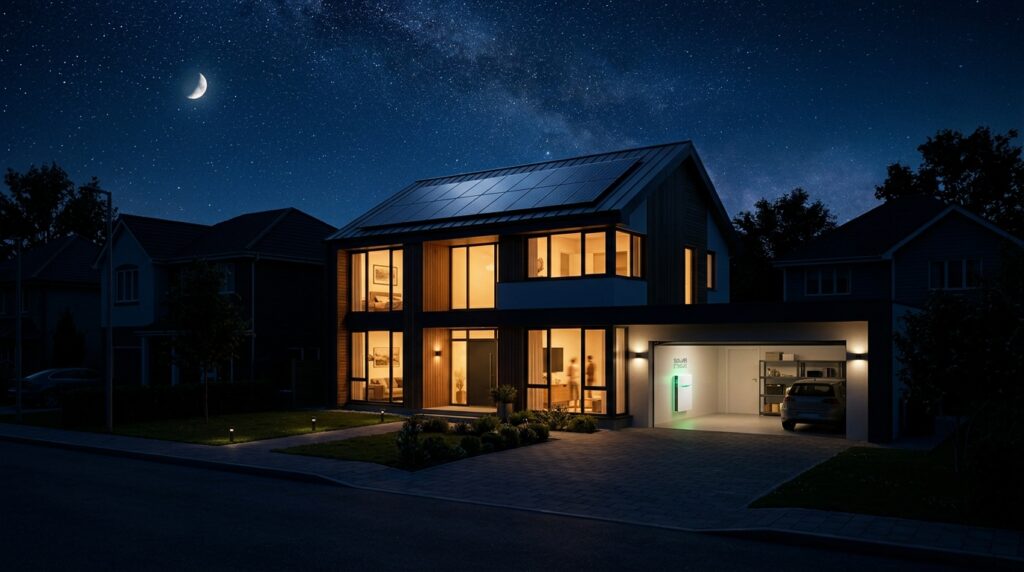
Case Study Example: Solar Plus Battery Backup for Outage Protection
Power outages can create challenges for both homeowners and businesses, from interrupted daily routines to lost productivity and unexpected expenses. A solar panel system paired with battery storage can help provide greater energy independence by generating electricity during the day and storing excess energy for use when the grid goes down.
Important note: This is an illustrative, hypothetical case study created to demonstrate how a solar plus battery backup project may be designed and evaluated. The numbers, costs, energy production estimates, savings figures, timeline, and system details shown below are examples only and are not based on a real customer installation or actual results.
For residential and commercial property owners considering solar, understanding the process behind a solar plus battery project can make it easier to evaluate options. This example from Rumos Chem explores how a properly sized system could be planned to reduce grid dependence, improve outage protection, and support long-term energy goals.
Project Overview: Solar Plus Battery Backup for Improved Energy Resilience
In this hypothetical scenario, a property owner wants to reduce electricity costs while maintaining essential power during utility outages. The goal is not necessarily to power every electrical load indefinitely but to keep important systems running when the grid is unavailable.
The project combines rooftop solar panels with a battery energy storage system. During normal operation, solar energy powers the property and any extra electricity can be stored in the battery. During an outage, the battery can supply electricity to selected backup circuits such as lighting, refrigeration, internet equipment, security systems, and essential appliances.
| Project Detail | Illustrative Example |
|---|---|
| Property Type | Residential home |
| Solar System Size | 8 kW rooftop solar array |
| Battery Storage Size | 20 kWh battery system |
| Primary Goal | Lower energy costs and provide outage protection |
| Grid Connection | Utility-connected with battery backup |
System Design: How Solar and Battery Storage Work Together
A solar plus battery backup system requires careful planning to match the property’s energy usage, available roof space, and backup priorities. The right design balances solar production, battery capacity, and the electrical loads that need protection during outages.
Solar Panel System Design
The example project uses an 8 kW solar array installed on the property’s roof. The system is designed to generate electricity during daylight hours, helping offset electricity purchased from the utility company.
The amount of energy produced depends on several factors, including:
- Local sunlight conditions and seasonal changes
- Roof orientation and shading
- Solar panel efficiency and equipment selection
- System maintenance and operating conditions
Battery Backup Design
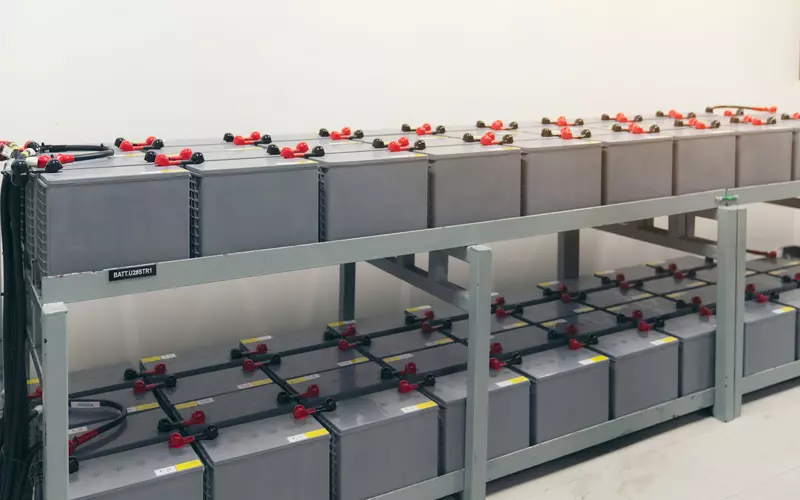
The 20 kWh battery system in this example stores excess solar energy generated during the day. When the utility grid experiences an outage, the battery can provide electricity to selected circuits through a backup system.
A battery backup system is typically designed around priority loads rather than the entire electrical demand of a property. Common backup loads may include:
- Refrigerators and freezers
- LED lighting
- Wi-Fi equipment and communication devices
- Security systems
- Medical equipment where applicable
- Heating or cooling equipment depending on system size
| System Component | Illustrative Specification | Purpose |
|---|---|---|
| Solar Panels | 8 kW array | Generates renewable electricity during daylight hours |
| Solar Inverter | 8 kW compatible inverter | Converts solar power into usable electricity |
| Battery Storage | 20 kWh capacity | Stores energy for later use and outages |
| Backup Gateway | Automatic transfer equipment | Helps manage backup power during outages |
| Monitoring System | Online energy monitoring | Tracks system performance and energy usage |
Cost and Savings Breakdown
The cost of a solar plus battery installation depends on system size, equipment choices, installation complexity, incentives, and local requirements. The following table provides a simplified example of how project costs may be structured.
| Cost Category | Illustrative Example Cost |
|---|---|
| Solar Panel System | $20,000 |
| Battery Storage System | $15,000 |
| Installation and Electrical Work | $5,000 |
| Total Example Project Cost | $40,000 |
| Potential Incentives or Credits | $10,000 |
| Example Net Cost | $30,000 |
Energy savings can vary significantly depending on electricity rates, system performance, household consumption patterns, and available incentives. In this example, the solar system reduces annual grid electricity purchases, while the battery adds value by improving resilience during outages and allowing greater use of stored solar energy.
| Annual Impact Category | Illustrative Example |
|---|---|
| Estimated Annual Solar Production | 10,000 kWh |
| Estimated Annual Electricity Cost Reduction | $1,500 |
| Backup Duration During Outage | Several hours to more than a day depending on usage |
| Main Benefit | Energy savings plus improved outage preparedness |
Project Timeline: From Consultation to Activation
A solar plus battery installation involves several stages, including design, permitting, equipment installation, and system activation. The exact timeline depends on local regulations, utility requirements, and project complexity.
Step 1: Energy Assessment and Consultation
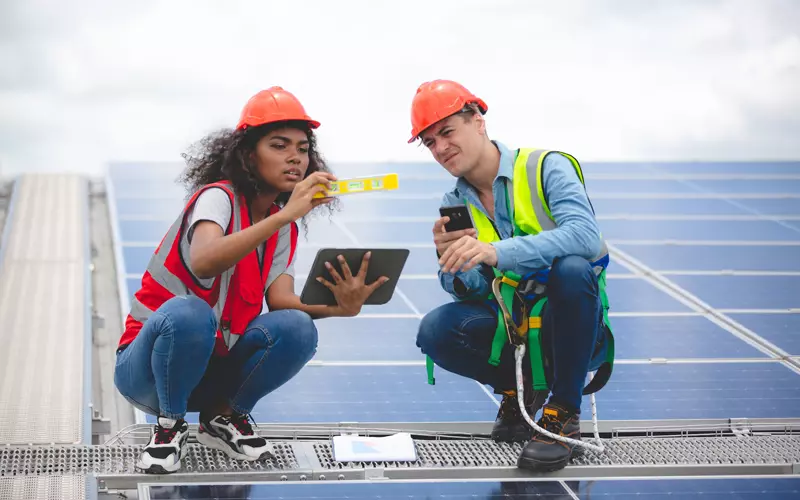
The process begins with reviewing electricity usage, property conditions, and backup power goals. A solar professional evaluates the best system size based on energy needs and available space.
Step 2: System Design and Proposal
The installer develops a customized design showing solar panel placement, battery location, expected production, and estimated project costs. This stage helps property owners understand how the system will operate.
Step 3: Permitting and Approvals
Before installation begins, permits and utility approvals may be required. The timeline for this stage varies by location.
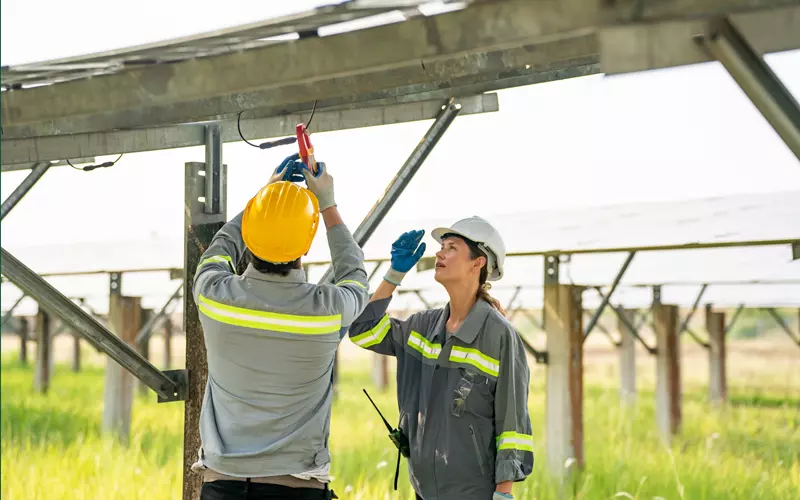
Step 4: Installation
Installation may include mounting solar panels, installing electrical equipment, setting up battery storage, and connecting monitoring systems. Many residential projects can be completed within a few days once approvals are complete.
Step 5: Inspection and System Activation
After installation, required inspections are completed and the system is activated. The property owner can then monitor solar production and battery performance.
Key Takeaways from This Solar Plus Battery Example
- Solar panels can help reduce dependence on utility electricity by generating renewable energy onsite.
- Battery storage provides additional value by storing energy for later use and supporting essential loads during outages.
- A properly designed system focuses on the property’s specific energy needs rather than using a one-size-fits-all approach.
- Project costs and savings vary based on location, incentives, electricity rates, and equipment selection.
- Professional design and installation help ensure safe, reliable system performance.
Frequently Asked Questions
1. Can a solar battery power my entire home during an outage?
It depends on the battery size, home energy usage, and system design. Many solar battery systems are designed to provide backup power for essential circuits rather than every electrical appliance at the same time. Larger systems can support more loads for longer periods.
2. Does solar work when the power grid goes down?
A standard grid-connected solar system usually shuts down during an outage for safety reasons. A solar plus battery system with appropriate backup equipment can continue providing power to selected loads when properly installed.
3. How long does a solar battery last during an outage?
Backup duration depends on battery capacity and electricity usage. A battery may last longer when powering essential devices and shorter when supporting high-energy appliances such as air conditioners or electric heating systems.
4. Is adding a battery worth it with solar panels?
The value of battery storage depends on individual goals. Homeowners and businesses that want outage protection, greater energy independence, or more control over energy use may find battery storage beneficial. A solar professional can help evaluate whether storage fits a specific property.
Conclusion: Explore Your Solar Plus Battery Backup Options
A solar plus battery backup system can provide more than energy savings. It can help property owners prepare for outages, manage electricity usage, and increase control over where their energy comes from.
This case study example demonstrates how a hypothetical solar and battery project may be planned, but every property requires a customized evaluation. Rumos Chem helps residential and commercial customers explore solar solutions designed around their energy goals.
Ready to learn what solar plus battery storage could do for your property? Contact Rumos Chem today to request a free solar quote and start planning your energy backup solution.