Can a Solar Battery Replace a Home Generator?
Power outages are becoming a growing concern for many U.S. homeowners and businesses. Whether caused by severe weather, grid issues, or unexpected equipment failures, losing electricity can disrupt daily routines, affect comfort, and create challenges for critical systems. As more people look for reliable backup power, one common question is: Can a solar battery replace a home generator?
The answer depends on your energy needs, outage patterns, and the appliances you want to keep running. A solar battery can replace many traditional generator functions, especially when paired with solar panels. However, generators may still be better suited for situations requiring extended whole-home power with heavy electrical loads. :contentReference[oaicite:0]{index=0}
For homeowners considering energy independence, Rumos Chem helps design residential and commercial solar solutions that match your property’s backup power goals. Understanding the differences between solar batteries and generators is the first step toward choosing the right system.
How Solar Batteries and Home Generators Work
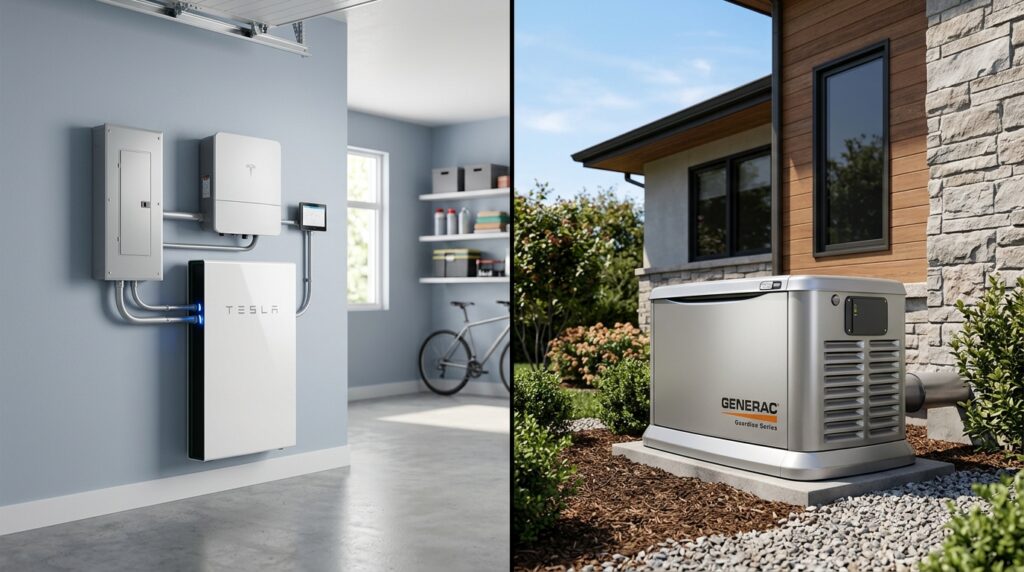
Solar Battery Backup Systems
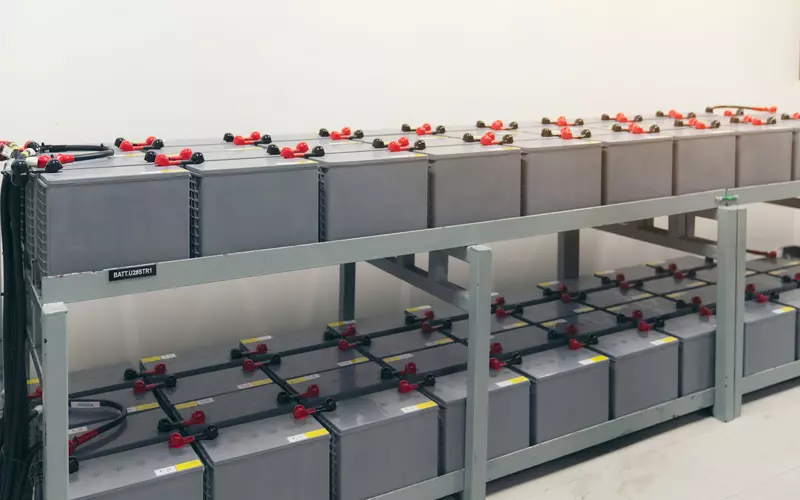
A solar battery stores electricity generated by solar panels or electricity from the grid. During a power outage, the battery supplies stored energy to selected circuits or, with a properly designed system, a larger portion of the home.
Solar batteries work through an inverter that converts stored DC electricity into usable AC electricity for household appliances. When connected to solar panels, the battery can often recharge during daylight hours, helping extend backup capability during longer outages. :contentReference[oaicite:1]{index=1}
- Stores clean energy for later use
- Can provide automatic backup during outages
- Operates quietly without fuel combustion
- Can support energy management even when the grid is available
Home Generator Systems
A home generator creates electricity by burning fuel such as natural gas, propane, gasoline, or diesel. Standby generators are typically connected to the home electrical system and automatically start when utility power fails.
Generators can provide long-duration backup as long as fuel is available, making them useful for extended outages or homes with high electrical demands. :contentReference[oaicite:2]{index=2}
- Produces electricity on demand
- Can run for extended periods with fuel supply
- Can support large electrical loads
- Requires fuel storage or fuel connections
Solar Battery vs Home Generator: Key Differences
| Feature | Solar Battery | Home Generator |
|---|---|---|
| Energy source | Stored electricity from solar panels or the grid | Fuel such as natural gas, propane, gasoline, or diesel |
| Noise level | Very quiet operation | Produces engine noise during operation |
| Emissions | No direct emissions during operation | Produces exhaust emissions |
| Fuel requirements | No fuel deliveries when charged by solar | Requires ongoing fuel availability |
| Recharge method | Solar panels or grid charging | Refueled with fuel supply |
| Daily energy benefits | Can help manage energy usage beyond outages | Primarily used during emergencies |
When a Solar Battery Can Replace a Generator
For many homes, a solar battery can provide the backup protection they need without installing a traditional generator. The key is matching battery capacity with your essential energy requirements.
Solar Batteries Work Well For:
- Short and moderate outages: Many homeowners mainly need backup power for several hours or a day.
- Essential appliances: Refrigerators, lights, Wi-Fi equipment, security systems, and electronics can often be prioritized.
- Quiet neighborhoods: Battery systems operate without engine noise, making them attractive for residential areas.
- Solar-powered homes: Existing solar owners can add storage to improve energy independence.
- Energy-conscious homeowners: Batteries may provide value beyond emergencies by helping manage electricity usage.
A properly sized solar battery system can eliminate the need for a generator in many residential applications, especially when the goal is maintaining critical loads rather than powering every appliance simultaneously. :contentReference[oaicite:3]{index=3}
When a Generator May Still Be the Better Choice
Although solar batteries have many advantages, they are not always a complete replacement for generators. Some properties require large amounts of continuous power during extended outages.
A Generator May Be More Suitable For:
- Homes with frequent multi-day outages
- Properties requiring constant operation of large HVAC systems
- Homes with electric heating systems or high energy demand
- Properties needing continuous power for large pumps or equipment
- Locations where fuel access is reliable but solar production may be limited
The main limitation of a battery system is stored energy capacity. Once the battery is depleted, it must recharge through solar production or another charging source. Generators, on the other hand, continue producing electricity as long as fuel is available. :contentReference[oaicite:4]{index=4}
Solar Battery and Generator Comparison: Practical Overview
| Consideration | Solar Battery Backup | Generator Backup |
|---|---|---|
| Best for | Essential loads, quiet backup, solar integration | Extended outages and high-power requirements |
| Maintenance | Generally low routine maintenance | Requires engine servicing and fuel management |
| Installation needs | Professional electrical installation recommended | Professional installation required for standby systems |
| Backup duration | Depends on battery size, usage, and solar recharge | Depends mainly on fuel availability |
| Environmental impact | Lower operational emissions when solar charged | Uses combustion-based energy generation |
How to Choose Between a Solar Battery and Generator
Selecting the right backup system starts with understanding how you use electricity. Instead of focusing only on equipment size, consider your actual priorities during an outage.
1. Identify Your Critical Loads
Make a list of the appliances and systems you cannot live without. Common priorities include:
- Refrigerators and freezers
- Medical equipment
- Lighting
- Internet and communication devices
- Heating or cooling systems
- Security equipment
2. Review Your Outage History
Think about how often your area loses power and how long outages usually last. Homes that experience occasional short outages may only need battery storage, while properties facing frequent extended outages may require a larger solution.
3. Consider Your Solar Plans
If you already have solar panels or plan to install them, adding battery storage can create a more complete energy backup system. Solar-plus-storage systems allow homeowners to generate, store, and use their own electricity.
4. Evaluate Whole-Home vs Essential Backup
A smaller battery system may efficiently support essential circuits, while whole-home backup may require multiple batteries or a different system design. A solar professional can evaluate your electrical panel, energy usage, and backup goals.
Benefits of Installing a Solar Battery Backup System
- Provides automatic backup power during outages
- Reduces dependence on fuel supplies
- Operates quietly compared with combustion generators
- Pairs well with residential and commercial solar systems
- Can improve energy resilience and flexibility
For businesses, battery storage can also help maintain critical operations, protect equipment, and reduce downtime during interruptions. Commercial solar storage solutions can be customized based on facility size and energy demands.
Frequently Asked Questions
Can a solar battery power my entire home during an outage?
Yes, a solar battery system can power an entire home in some designs, but the required battery capacity depends on your electricity usage. Many homeowners choose to prioritize essential circuits instead of running every appliance.
How long can a solar battery run during a power outage?
Backup duration depends on battery capacity, household energy consumption, weather conditions, and whether solar panels can recharge the system. A professional installer can estimate runtime based on your specific needs.
Is a solar battery safer than a generator?
Solar batteries do not produce exhaust emissions during operation and do not require fuel storage. However, all energy storage systems should be installed according to manufacturer instructions and local electrical requirements.
Can I install a solar battery without solar panels?
Some battery systems can operate without solar panels by charging from the electrical grid. However, pairing storage with solar panels can provide additional energy independence during outages.
Conclusion: Is a Solar Battery the Right Generator Alternative?
A solar battery can replace a home generator for many homeowners, especially those looking for quiet, clean, and automatic backup power for essential appliances. However, properties with very high energy demands or long-lasting outages may need additional backup capacity or a different approach.
The best solution depends on your home, energy usage, outage risks, and long-term goals. Rumos Chem provides professional solar installation and energy storage solutions designed for residential and commercial customers across the U.S.
Ready to explore whether a solar battery can replace your generator? Contact Rumos Chem today to request a free solar quote and discover a backup power solution designed for your property.