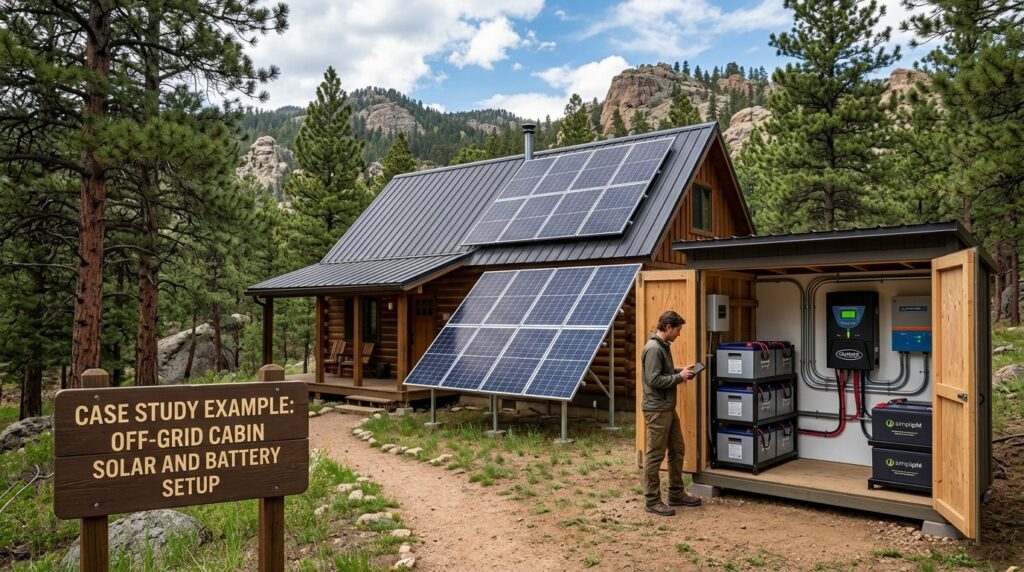
Case Study Example: Off-Grid Cabin Solar and Battery Setup
Important note: This article is an illustrative planning example only. The off-grid cabin, energy use, equipment choices, and design considerations described below are not based on a real Rumos Chem customer or completed project. They are intended to show how a homeowner or cabin owner might think through an off-grid solar and battery system before beginning a real design process.
Off-grid solar systems require careful planning because the property must produce and store its own electricity without relying on the utility grid. Unlike a typical residential solar installation connected to the electric grid, an off-grid cabin system must balance solar production, battery storage, appliance usage, weather conditions, and backup options. :contentReference[oaicite:0]{index=0}
For homeowners in the St. Louis, Missouri area who are considering a remote cabin, rural retreat, workshop, or property with limited electrical access, understanding the planning process can help set realistic expectations. This example explains the major steps involved in designing a hypothetical cabin solar and battery setup.
Illustrative Cabin Scenario: Planning the Energy Needs
For this example, imagine a small off-grid cabin used for weekend visits and occasional longer stays. Again, this is not a real installation. It is simply a sample design exercise to demonstrate how solar professionals approach system planning.
The fictional cabin owner wants enough electricity for basic needs, including:
- LED lighting
- A small refrigerator
- Phone and laptop charging
- Internet equipment
- Small kitchen appliances
- Water pump operation
- Limited heating or cooling support through efficient equipment
The first step in any solar project is understanding electricity consumption. A system should be designed around actual energy use rather than assumptions. Lowering energy demand through efficient appliances and thoughtful usage habits can significantly reduce the required solar array and battery size.
Example Energy Planning Table
| Cabin Energy Category | Planning Consideration | Example Approach |
|---|---|---|
| Lighting | Reduce unnecessary electricity use | Use efficient LED fixtures and timers |
| Refrigeration | One of the more consistent electrical loads | Select an efficient refrigerator designed for low energy consumption |
| Water Systems | Pumps may create short periods of higher demand | Account for startup power requirements |
| Entertainment and Electronics | Small devices add daily consumption | Monitor and limit standby power use |
| Heating and Cooling | Can require substantial energy | Use efficient building design and minimize electric loads where possible |
Key Components of an Off-Grid Cabin Solar System
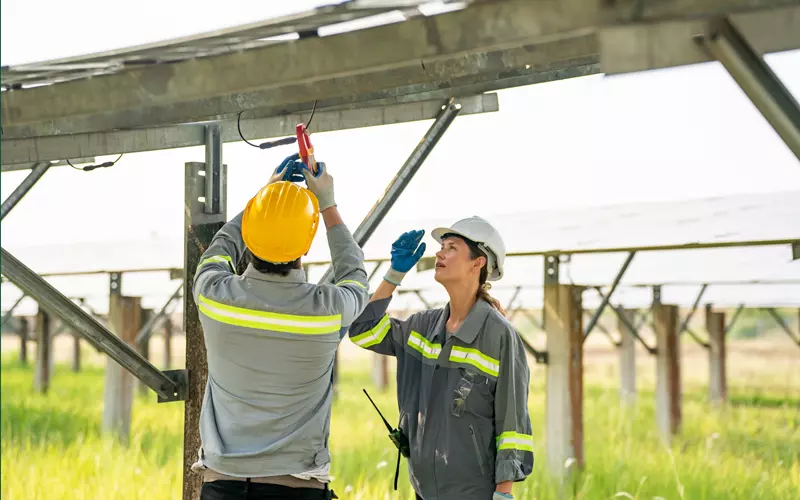
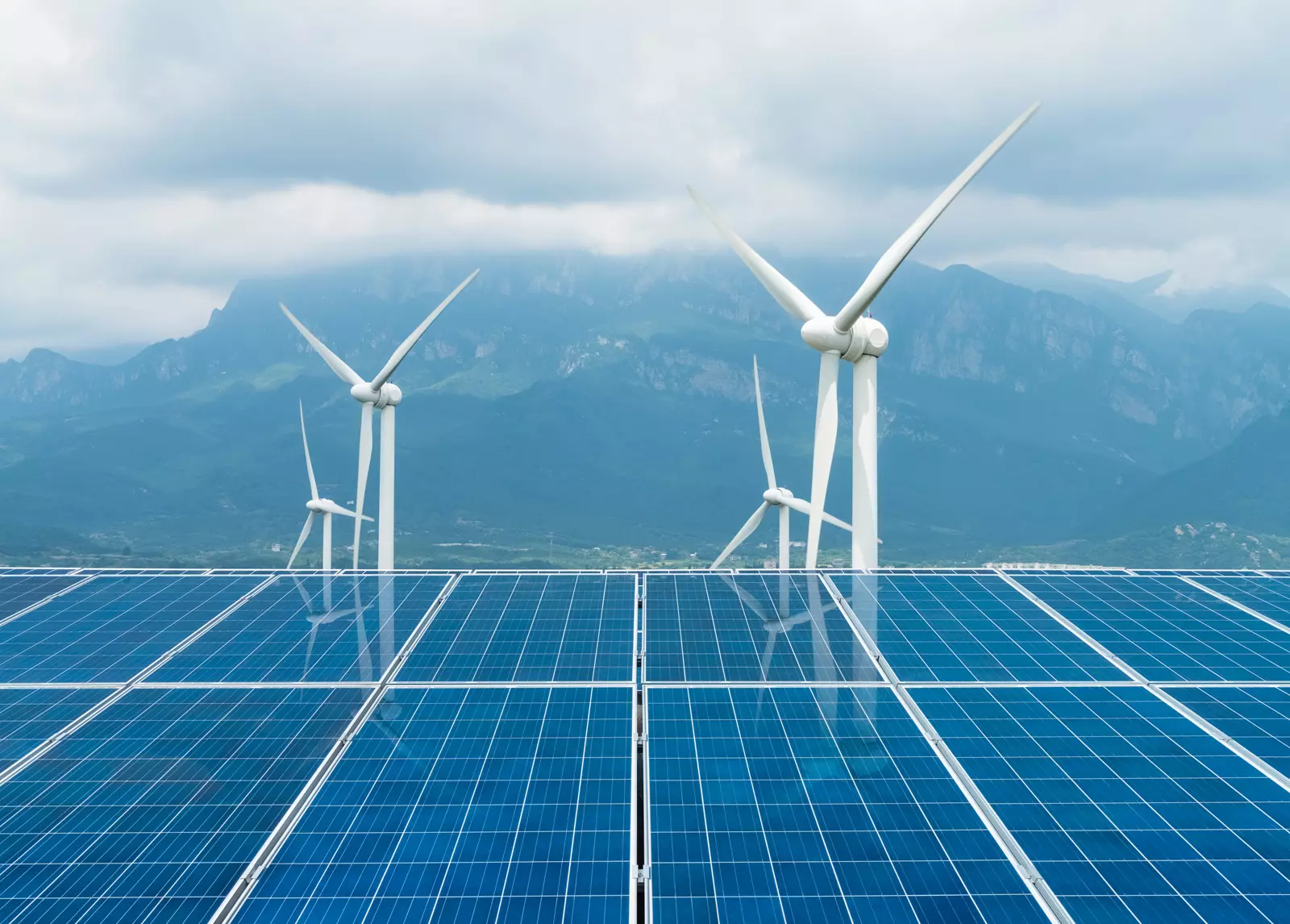
An off-grid solar setup is more than just solar panels. A complete system typically includes solar modules, charge controllers, batteries, inverters, safety equipment, monitoring tools, and sometimes a backup generator. :contentReference[oaicite:1]{index=1}
Solar Panels
The solar array generates electricity during daylight hours. The number of panels needed depends on factors such as:
- Daily electricity consumption
- Available sunlight
- Roof or ground-mount space
- Seasonal production changes
- System losses
In Missouri, seasonal changes matter. A cabin system designed for year-round use must consider shorter winter days, cloudy periods, and reduced solar production compared with peak summer conditions.
Battery Storage
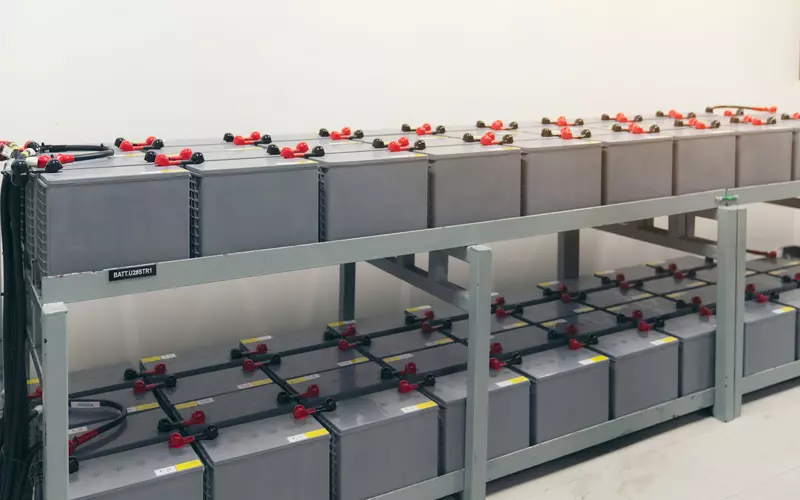
Batteries store solar energy for use when panels are not producing electricity, such as nighttime or cloudy periods. Storage capacity depends on how much energy the cabin uses and how many days of backup power the owner wants. :contentReference[oaicite:2]{index=2}
Battery planning involves more than selecting a battery with a certain capacity. A designer must also consider battery chemistry, operating temperature, safety requirements, available space, and expected usage patterns.
Inverter and Electrical Equipment
The inverter converts stored DC electricity from the batteries into usable AC electricity for household devices. The inverter must be sized for both normal energy consumption and temporary power demands from appliances that require extra startup power.
Safety components such as disconnects, proper wiring, grounding, and system monitoring are essential parts of a professionally designed solar installation.
Example Off-Grid Cabin System Design Considerations
| System Element | Purpose | Planning Questions |
|---|---|---|
| Solar Array | Produces electricity from sunlight | Is there enough sun exposure throughout the year? |
| Battery Bank | Stores electricity for later use | How much backup time is needed? |
| Inverter | Provides household AC power | Can it handle expected appliance loads? |
| Charge Controller | Manages solar charging | Is it compatible with the solar array and batteries? |
| Backup Generator | Provides additional support during extended low-solar periods | Is backup needed for reliability? |
Why Energy Efficiency Matters for Off-Grid Cabins
An off-grid system works best when the building itself is designed to use less energy. Increasing solar panel capacity and battery storage can be expensive, so reducing electricity demand is often the most practical first step.
For a hypothetical Missouri cabin, efficiency improvements could include:
- Improved insulation to reduce heating and cooling demand
- Energy-efficient appliances
- Smart power strips to reduce standby consumption
- Natural lighting strategies
- Careful scheduling of high-energy activities during sunny periods
These strategies are useful whether a property is completely off-grid or simply adding solar and battery backup to improve resilience.
Off-Grid Solar Challenges in the St. Louis Region
Although solar works throughout Missouri, off-grid systems require additional planning because the utility grid cannot provide backup when solar production is low. A grid-connected solar system can often rely on the utility network when needed, while a fully off-grid system must solve those challenges independently. :contentReference[oaicite:3]{index=3}
Cabin owners should consider:
- Tree shading from surrounding forests
- Winter solar production
- Long periods of cloudy weather
- Distance from electrical service
- Accessibility for maintenance
A professional evaluation can help determine whether full off-grid operation is practical or whether a grid-connected solar-plus-battery system would better match the property goals.
Illustrative Project Planning Process
Step 1: Evaluate Energy Use
The first step is creating an appliance list and estimating daily electricity consumption. This establishes the foundation for system sizing.
Step 2: Review the Property
The site should be evaluated for sunlight, shading, available mounting locations, and electrical requirements.
Step 3: Design Solar and Storage Together
Solar panels and batteries must work as a complete system. Oversizing one component while undersizing another can create reliability problems.
Step 4: Include Safety and Maintenance Planning
Off-grid systems require ongoing monitoring and periodic maintenance. Battery areas, wiring, and equipment locations should be planned carefully.
Frequently Asked Questions About Off-Grid Cabin Solar Systems
Can a cabin run completely on solar power?
Yes, some cabins can operate entirely on solar power, but success depends on energy usage, location, system size, and battery storage. Smaller cabins with efficient appliances are generally easier to power than large homes with heavy electrical loads.
Is an off-grid solar system the same as a home solar system?
No. A typical home solar system is often connected to the utility grid, while an off-grid system must generate and store all required electricity independently.
Do off-grid cabins need batteries?
Yes. Since solar panels do not produce electricity at night and production can drop during cloudy weather, battery storage is a central part of most off-grid solar designs.
Would an off-grid system work for a St. Louis home?
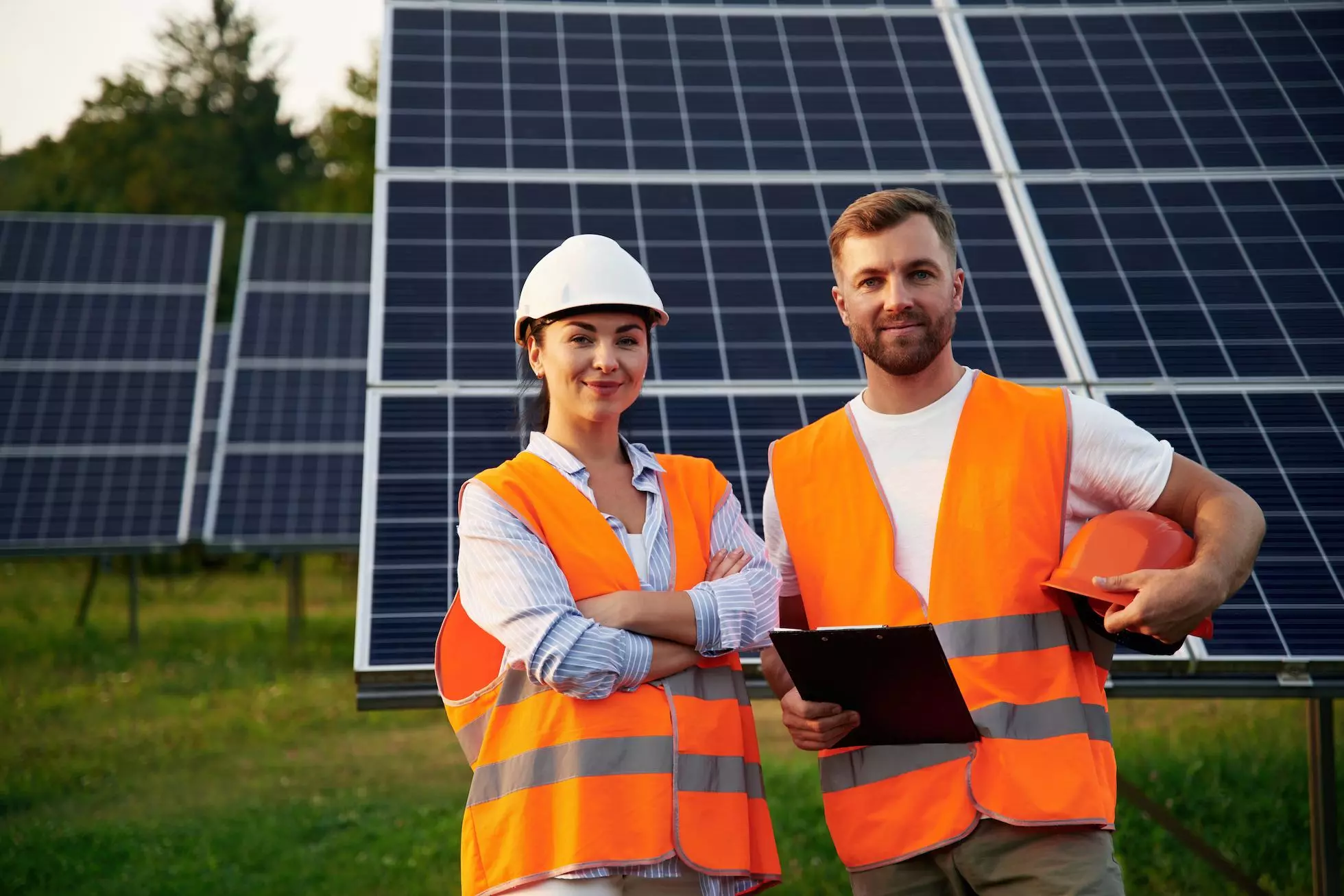
It is possible, but many homeowners choose grid-connected solar with battery backup because it combines solar generation with the reliability of the utility grid. The right approach depends on the homeowner’s goals, property conditions, and energy needs.
Final Thoughts: Planning Before Installing Off-Grid Solar
This illustrative cabin example shows that off-grid solar is a complete energy design project, not simply a matter of installing panels. The best results come from carefully evaluating electricity needs, reducing unnecessary consumption, selecting properly matched equipment, and planning for seasonal conditions.
For St. Louis homeowners exploring solar, battery storage, or rural property energy solutions, understanding these design principles can help create a realistic plan. Rumos Chem provides residential solar information and installation guidance, helping homeowners understand their options before moving forward with a solar project.