Case Study Example: Restaurant Solar and Peak Demand Charges
Note: This case study is an illustrative example created for educational purposes. It is not based on a real Rumos Chem customer, verified installation, or documented restaurant project. The purpose is to show how a restaurant owner might evaluate solar energy, battery storage, and peak demand charges when considering a commercial energy strategy.
Restaurants have unique energy needs. Refrigeration, cooking equipment, HVAC systems, lighting, and kitchen appliances can create periods of high electricity use throughout the day. While many business owners focus on reducing total electricity consumption, another important factor may appear on commercial utility bills: peak demand charges.
For restaurant owners in St. Louis, Missouri, understanding how electricity usage patterns interact with solar and storage can help create more informed decisions. Solar panels may reduce energy consumption, while battery storage may help manage certain peak demand situations depending on the utility rate structure and facility operations.
Understanding Peak Demand Charges for Restaurants
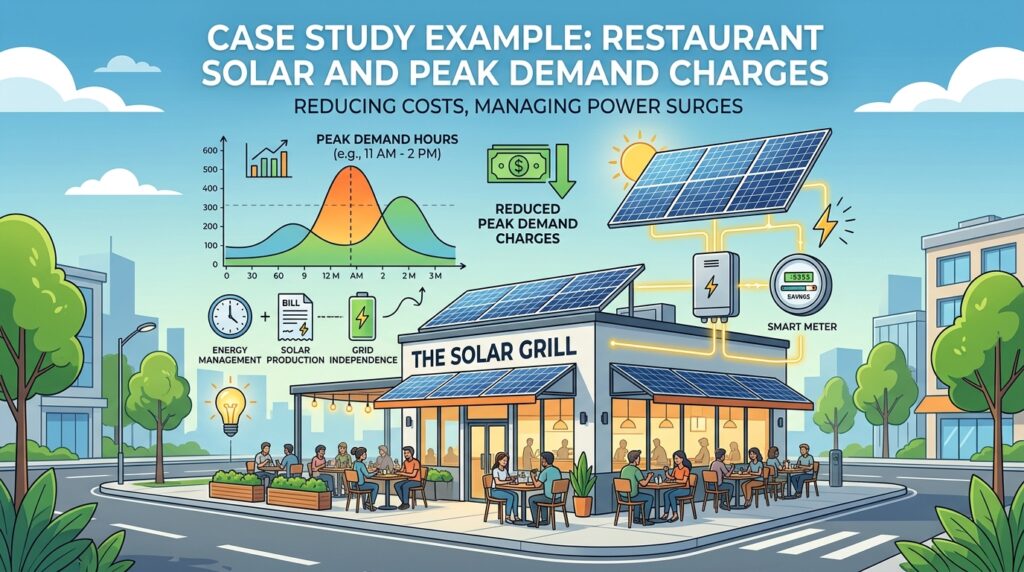
Commercial electricity bills often include both energy charges and demand charges. Energy charges are based on the total amount of electricity used, commonly measured in kilowatt-hours (kWh). Demand charges are based on the highest rate of electricity use during a defined period, measured in kilowatts (kW). Many demand charges are calculated using the highest average demand interval during the billing period, often a short interval such as 15 minutes, though exact methods depend on the utility tariff.
| Electricity Bill Component | What It Measures | How Solar or Storage May Affect It |
|---|---|---|
| Energy Charges | Total electricity consumed over time (kWh) | Solar can reduce electricity purchased from the grid when the system is producing power. |
| Demand Charges | The highest level of electricity demand during a billing period (kW) | Solar may help if production overlaps with the peak. Battery storage may help by supplying power during certain peak periods. |
| Fixed Charges | Service-related charges established by the utility | Usually not directly affected by solar production. |
Demand charges can be especially important for businesses with equipment that operates at the same time. A restaurant may experience a demand spike when kitchen equipment, air conditioning, refrigeration systems, and other loads run together.
Illustrative Restaurant Solar Case Study Example
Imagine a restaurant in the St. Louis area reviewing its electricity costs. The restaurant owner notices that monthly electricity usage is high, but the business also experiences periods when many electrical systems operate simultaneously.
The owner begins exploring whether rooftop solar could help lower energy costs and whether battery storage could provide additional control over electricity demand.
This example does not represent an actual restaurant or solar installation. The figures below are intentionally general and do not represent a forecast of savings, system size, payback period, or utility results.
| Project Evaluation Area | Questions Considered |
|---|---|
| Electricity Usage | When does the restaurant use the most electricity? Are peaks caused by kitchen operations, HVAC, refrigeration, or other equipment? |
| Solar Opportunity | Does the building have suitable roof space, shading conditions, and structural characteristics for solar panels? |
| Demand Charges | Does the utility rate include demand charges, and how are those charges calculated? |
| Battery Storage | Could a battery reduce grid demand during selected periods, and would the economics support the investment? |
How Solar Could Help a Restaurant
Solar panels generate electricity from sunlight and can reduce the amount of electricity a business purchases from the utility during periods of solar production. For a restaurant, this may help offset daytime energy consumption from lighting, refrigeration, preparation areas, and other operations.
However, solar does not automatically eliminate demand charges. A restaurant’s highest demand period may occur when solar production is lower, such as during evening operations, cloudy weather, or a time when multiple large appliances start simultaneously.
Because demand charges depend on the timing of peak electricity use, a proper evaluation requires looking at the restaurant’s actual load profile rather than only annual electricity consumption.
The Role of Battery Storage in Managing Peak Demand
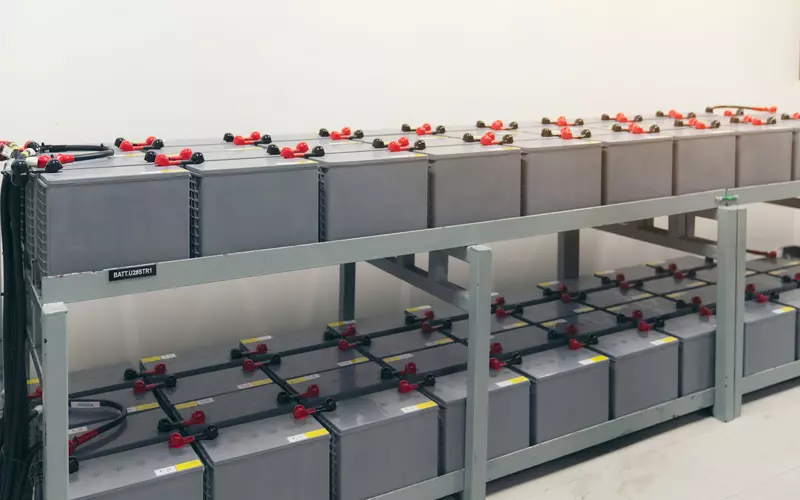
Battery storage works differently from solar panels. Instead of only producing electricity when sunlight is available, a battery can store energy and discharge it when needed.
For some commercial customers, battery storage is evaluated as a way to reduce short periods of high grid demand. This strategy is often called peak shaving. During a potential demand peak, a battery may provide some electricity so the building draws less from the grid.
Whether this approach makes financial sense depends on several factors, including:
- The utility’s rate structure and demand charge design
- The restaurant’s hourly electricity usage pattern
- The size and operating strategy of the battery
- Battery costs, incentives, and financing options
- How often demand peaks occur and when they happen
Questions a Restaurant Owner Should Ask Before Installing Solar
1. Does my electricity bill include demand charges?
Not every customer pays demand charges. Reviewing the utility tariff and recent bills is an important first step.
2. When does my restaurant reach its highest electricity demand?
A restaurant that peaks during lunch service may have a different solar opportunity than one that reaches its highest demand during dinner hours.
3. Will solar production match my highest-use periods?
The timing of solar production matters. A system that generates significant electricity during a restaurant’s operating hours may provide more value than one that produces power when the building is using less energy.
4. Would storage solve a specific problem?
A battery should be evaluated based on a clear goal, such as managing demand, improving resilience, or supporting a specific operating strategy. Storage is not automatically the right choice for every business.
How Rumos Chem Approaches Solar Planning
Rumos Chem helps residential solar customers in the St. Louis, Missouri area understand solar options and installation considerations. While this example focuses on a restaurant scenario, the same principle applies to any property evaluating solar: understanding energy use patterns is essential.
A thoughtful solar evaluation considers the building, electricity usage, goals, and local utility requirements. The right approach is not simply adding panels, but understanding how solar technology fits the property’s real energy needs.
Common Mistakes When Evaluating Commercial Solar
- Looking only at annual electricity usage: Total kWh use is important, but timing also matters when demand charges are involved.
- Assuming solar eliminates all utility charges: Most solar customers remain connected to the utility and continue receiving some charges.
- Ignoring future energy changes: Restaurant expansions, new equipment, and operational changes can affect electricity needs.
- Adding storage without analyzing the goal: Batteries should be sized and evaluated based on specific needs.
Frequently Asked Questions About Restaurant Solar and Peak Demand Charges
Can solar panels reduce restaurant demand charges?
Solar may reduce demand charges in some situations when electricity production overlaps with the periods that determine demand charges. However, the impact depends on the utility rate structure and the restaurant’s energy usage pattern.
Why are demand charges important for restaurants?
Restaurants often operate multiple high-energy systems at the same time. These combined loads can create short periods of high electricity demand that may affect commercial electricity bills.
Does every restaurant need battery storage with solar?
No. Battery storage is a separate decision that depends on electricity rates, operational goals, available incentives, and the financial analysis of the project.
Can a residential solar company help a restaurant owner understand solar concepts?
Solar concepts such as panel production, energy offset, and storage considerations apply broadly. Commercial projects may require additional analysis because utility rates and demand structures can be more complex.
What should I review before considering solar for a business property?
Start by reviewing electricity bills, identifying usage patterns, understanding the utility rate structure, evaluating the building’s solar potential, and discussing available options with a qualified solar professional.
Final Thoughts
This restaurant solar case study example shows why energy analysis matters. Solar panels can help reduce purchased electricity, while battery storage may provide additional opportunities for managing certain demand situations. The best solution depends on the details of each property and its electricity usage.
For St. Louis area property owners exploring solar, understanding how electricity is consumed is the first step toward making an informed decision about solar technology and energy management.