Are Solid-State Batteries Ready for Home Solar Storage?
Home solar storage technology is changing quickly. As more homeowners look for ways to store extra solar energy, prepare for power outages, and use electricity more strategically, new battery technologies are receiving attention. One of the most talked-about innovations is the solid-state battery.
Solid-state batteries have generated excitement because they may offer improvements in safety, energy density, and long-term performance compared with some traditional lithium-ion designs. However, homeowners considering solar battery storage today need to separate future possibilities from products that are currently available and supported for residential installations.
For homeowners in St. Louis, Missouri, and surrounding communities, understanding where solid-state technology stands can help you make informed decisions when comparing solar-plus-storage options.
What Is a Solid-State Battery?
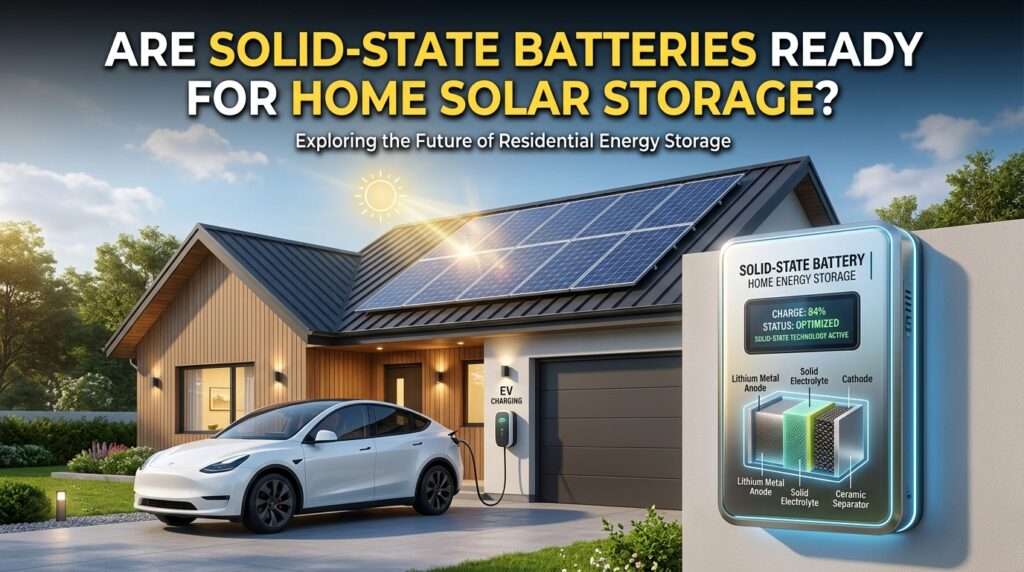
A solid-state battery is a type of battery that replaces the liquid electrolyte used in many conventional lithium-ion batteries with a solid material. The electrolyte is the part of the battery that allows lithium ions to move between the positive and negative electrodes during charging and discharging.
Researchers are exploring several types of solid electrolytes, including ceramic, sulfide, polymer, and other advanced materials. The goal is to create batteries that can store more energy in a smaller space while improving safety characteristics. :contentReference[oaicite:0]{index=0}
For solar storage applications, the potential advantages include:
- Higher energy density, which could allow more stored energy in a smaller battery enclosure.
- Reduced dependence on flammable liquid electrolytes.
- Potential improvements in durability and operating performance.
- New design possibilities for future residential and grid storage systems.
Are Solid-State Batteries Available for Home Solar Systems Today?
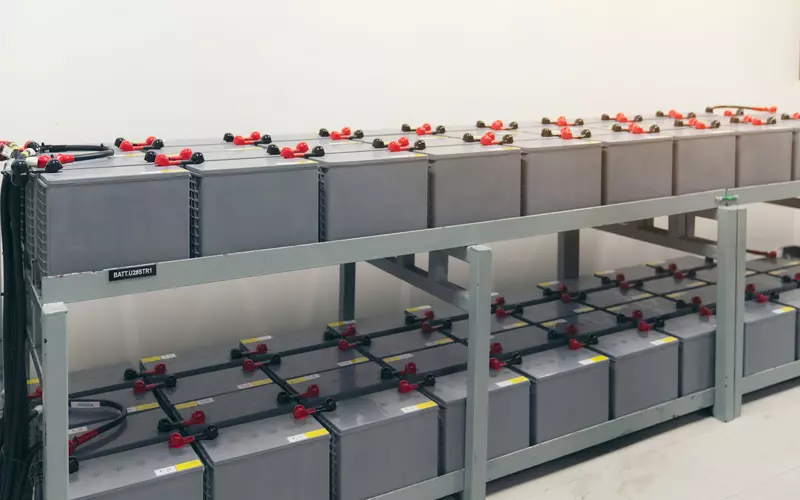
The short answer is that solid-state batteries are not yet a standard residential solar storage option. While significant research and pilot manufacturing efforts are underway, the technology has not reached widespread home energy storage deployment.
Much of the current development activity is focused on applications such as electric vehicles, where higher energy density can provide major advantages. Moving from laboratory cells or pilot production into affordable, reliable, large-scale residential products requires solving additional manufacturing, cost, durability, and testing challenges. :contentReference[oaicite:1]{index=1}
| Battery Technology | Residential Solar Availability | Current Considerations |
|---|---|---|
| Traditional lithium-ion batteries | Widely available | Established technology with many residential applications. |
| Lithium iron phosphate (LFP) | Widely available | Commonly used for stationary storage because of safety and durability characteristics. |
| Solid-state batteries | Limited or not generally available for homes | Promising technology still progressing through commercialization challenges. |
Why Are Solid-State Batteries Getting So Much Attention?
Potentially Higher Energy Density
One reason solid-state batteries attract attention is their potential to store more energy in less physical space. For electric vehicles, this could mean longer driving ranges. For homes, a future solid-state battery could potentially provide more storage capacity without requiring a larger installation footprint.
However, higher energy density is only one factor in choosing a home solar battery. Residential systems also need reliability, safety certifications, warranty support, compatibility with solar equipment, and predictable long-term performance.
Potential Safety Improvements
Because solid-state batteries use solid electrolytes instead of liquid electrolytes, researchers are investigating whether they can improve certain safety characteristics. However, safety depends on the complete battery design, manufacturing quality, controls, and installation—not only the electrolyte material.
Homeowners should evaluate the safety information provided for the entire battery system rather than assuming any new chemistry automatically provides better real-world performance.
The Challenges Solid-State Batteries Still Need to Overcome
Despite their promise, solid-state batteries face several challenges before they become common in residential solar storage.
| Challenge | Why It Matters for Homeowners |
|---|---|
| Manufacturing scale | Large-scale production must become reliable and cost-effective. |
| Long-term field testing | Homeowners need confidence in years of everyday charging and discharging. |
| Cost | New technologies must compete with existing storage options on total value. |
| System integration | Batteries must work with inverters, solar panels, monitoring systems, and safety requirements. |
Researchers have identified issues involving material interfaces, manufacturing processes, scalability, and cost as important barriers to widespread commercialization. :contentReference[oaicite:2]{index=2}
Should Homeowners Wait for Solid-State Batteries Before Installing Solar Storage?
Whether waiting makes sense depends on your goals. Some homeowners may prefer to monitor future technology developments, while others may value the benefits of having energy storage available now.
A solar battery installed today can provide benefits such as:
- Backup power during certain outages when properly designed.
- Greater control over when solar energy is used.
- Reduced reliance on electricity from the grid during some operating conditions.
- Better use of the solar energy your system produces.
Waiting for a future technology can also mean delaying the benefits of current storage solutions. Since solid-state availability, pricing, and residential product timelines remain uncertain, homeowners should compare current needs with future possibilities.
What Should You Ask When Comparing Solar Battery Options?
When evaluating any home energy storage system, ask questions that focus on proven performance and long-term value.
Battery Chemistry and Design
- What battery chemistry does the system use?
- How does the design address safety and temperature management?
- Is the technology designed for residential applications?
Warranty and Expected Performance
- What does the warranty cover?
- Are there limits on energy throughput or operating conditions?
- How does the manufacturer define expected battery life?
Installation and Compatibility
- Will the battery work with your existing or planned solar system?
- What electrical upgrades may be required?
- How will the system perform during outages?
A qualified solar professional can help explain how different storage options fit your home, energy use, and goals.
What Does the Future Look Like for Solid-State Solar Batteries?
Solid-state batteries represent an important area of energy storage research. If manufacturers overcome current challenges, the technology could eventually influence residential solar storage by improving battery size, performance, and design flexibility.
However, homeowners should be cautious about treating emerging technology announcements as immediately available products. A promising laboratory result or pilot project is different from a fully tested residential battery system that can be installed, serviced, and supported over many years.
FAQ: Solid-State Batteries and Home Solar Storage
Are solid-state batteries better than current solar batteries?
Solid-state batteries have the potential to offer advantages such as higher energy density and different safety characteristics, but they are still developing for widespread residential use. Current battery technologies remain the practical choice for many home solar installations.
Can I buy a solid-state battery for my house today?
Solid-state battery technology is not currently a common residential solar storage product. Most development efforts remain focused on overcoming commercialization challenges before broad home adoption.
Will solid-state batteries replace lithium-ion batteries?
It is too early to know. Solid-state batteries may become an important part of future energy storage, but existing lithium-ion technologies continue to improve and serve many residential applications.
Should I install solar now or wait for solid-state batteries?
The right choice depends on your energy goals, budget, outage concerns, and timeline. A solar consultation can help compare currently available storage options with your long-term plans.
Does Rumos Chem install solid-state home batteries?
Rumos Chem provides residential solar information and installation services for homeowners in the St. Louis, Missouri area. Battery technologies and product availability change over time, so homeowners should discuss currently supported options and future upgrade possibilities during the planning process.