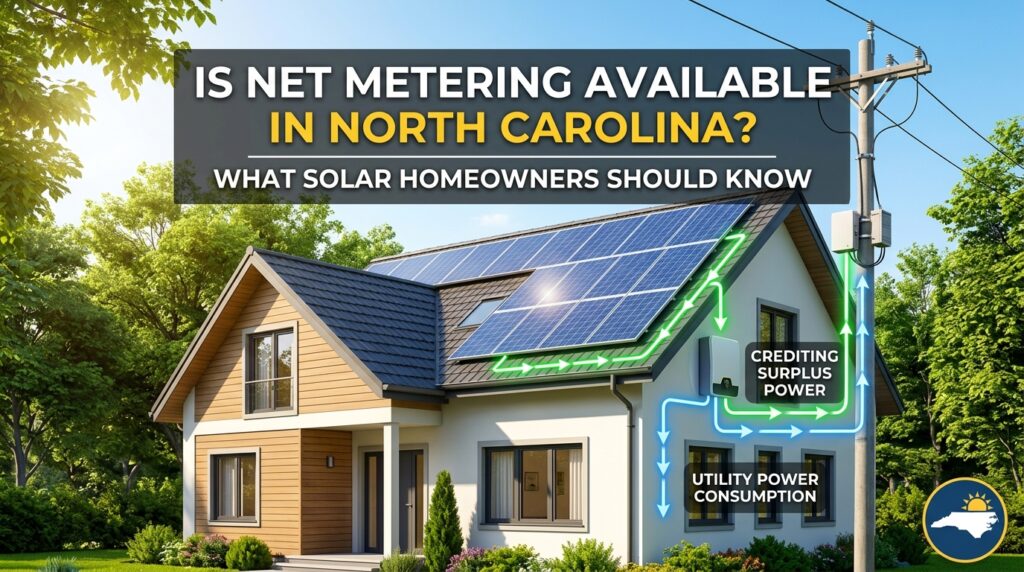
Is Net Metering Available in North Carolina? What Solar Homeowners Should Know
For many homeowners considering solar panels, one of the biggest questions is how excess electricity will be handled. If your solar system produces more electricity than your home uses at a certain time, you may wonder whether that extra energy can help reduce future utility charges. This is where net metering comes into the conversation.
So, is net metering available in North Carolina? The answer is yes, but the details depend on your electric utility, your service area, your system size, and the current rules in place when your solar installation is approved and connected. Solar policies and utility programs can change, so homeowners should always verify the latest information with official North Carolina sources and their individual utility before making decisions.
Although Rumos Chem serves homeowners in St. Louis, Missouri, understanding solar policies in other states can help homeowners compare how different utility programs work. This guide explains the basics of North Carolina net metering and what prospective solar customers should know.
What Is Net Metering?
Net metering is a utility billing arrangement that allows homeowners with qualifying renewable energy systems to receive credits for electricity their solar panels send back to the electric grid.
During sunny periods, a solar system may produce more electricity than a home immediately needs. Instead of letting that energy go unused, the excess electricity can flow back to the utility grid. A special meter tracks the difference between electricity supplied by the utility and electricity supplied by the homeowner’s solar system.
| Solar Situation | What Happens |
|---|---|
| Solar panels produce less electricity than the home uses | The home receives electricity from the utility grid as needed. |
| Solar panels produce more electricity than the home uses | Excess electricity may be sent to the grid and handled according to the utility’s approved solar tariff. |
| The utility grid loses power | Most grid-connected solar systems automatically shut down unless paired with approved backup equipment such as battery storage. |
The North Carolina Utilities Commission’s Public Staff explains that net metering allows eligible renewable energy customers to receive credits for excess electricity supplied back to the utility system. :contentReference[oaicite:0]{index=0}
Does North Carolina Offer Net Metering for Residential Solar?
North Carolina does have net metering options for residential solar customers, but the structure has changed over time. The state has updated its net metering rules to address how customer-generated electricity is credited and how utilities recover grid service costs.
Beginning in 2023, revised net metering tariffs were introduced for certain residential customers of participating utilities. The North Carolina Utilities Commission approved updated riders, including Residential Solar Choice and Net Metering Bridge options, which replaced the previous residential net metering rider for new customers. :contentReference[oaicite:1]{index=1}
Because solar incentives and utility programs are subject to regulatory updates, homeowners should confirm current requirements before installing a system.
How North Carolina Net Metering Works for Homeowners
The exact experience depends on the utility serving your home. In general, the process includes several steps:
1. Install a Qualified Solar Energy System
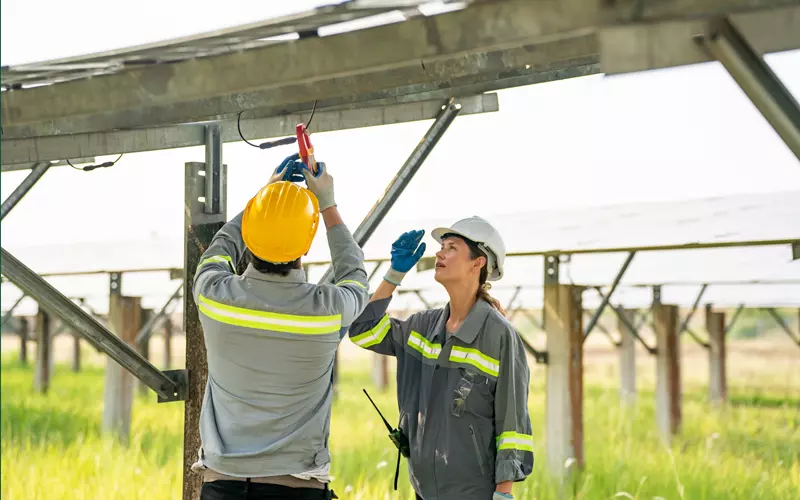
Your solar installation must meet applicable technical, safety, and interconnection requirements. The system is generally designed to offset some or all of your home’s electricity use rather than operate as a commercial power generator.
2. Apply for Utility Interconnection
Before connecting a solar system to the electric grid, homeowners must complete the utility’s interconnection process. This allows the utility to review the equipment and confirm that it meets required standards.
3. Receive Credits According to Your Utility’s Tariff
Once approved, excess electricity exported to the grid is handled according to the applicable utility rate schedule. The value and treatment of exported energy can vary depending on the program available to the homeowner.
Which North Carolina Utilities Have Solar Net Metering Programs?
North Carolina homeowners may receive electricity from different types of providers, including large investor-owned utilities, electric cooperatives, and municipal utilities. Each provider may have different rules and program availability.
| Utility Type | What Homeowners Should Check |
|---|---|
| Investor-owned utilities | Current net metering tariffs, rate schedules, interconnection requirements, and enrollment rules. |
| Electric cooperatives | Whether the cooperative offers net metering or a similar solar compensation program. |
| Municipal electric utilities | Local solar policies, application procedures, and available export credit programs. |
The North Carolina Utilities Commission notes that rural electric cooperatives and municipal utilities are not required to follow the same net metering requirements as regulated public utilities, so homeowners served by these providers should contact their utility directly. :contentReference[oaicite:2]{index=2}
What Changes Should Solar Homeowners Be Aware Of?
Solar customers should understand that net metering is not a permanent, identical program across all locations. Regulations, utility tariffs, and rate structures can be updated as energy policies evolve.
Some changes homeowners should monitor include:
- Updates to utility solar tariffs and billing structures
- Changes to eligibility requirements
- New time-of-use rate options or requirements
- Changes to how exported solar energy is credited
- Updates to interconnection rules
North Carolina law requires the Utilities Commission to establish net metering rates for certain electric public utilities and allows those rates to include fixed charges or other rate design features. :contentReference[oaicite:3]{index=3}
Does Net Metering Mean Your Solar Panels Power Your Home During an Outage?
No. A typical grid-connected solar system does not continue operating during a utility outage. This safety feature prevents electricity from flowing onto power lines while utility crews are making repairs.
Homeowners who want backup power during outages usually need additional equipment, such as a properly configured solar battery storage system and transfer equipment. The right setup depends on the homeowner’s goals, electrical needs, and local requirements.
How Homeowners Can Verify Current North Carolina Solar Rules
Before signing a solar agreement or choosing equipment, homeowners should review current information from reliable sources. Solar policies can change, and a program available today may have different requirements in the future.
Useful steps include:
- Checking the latest information from the North Carolina Utilities Commission and Public Staff
- Contacting your electric utility directly about available solar programs
- Reviewing interconnection requirements before installation
- Asking your solar installer how current utility rules affect your project
Taking these steps helps homeowners understand how solar production, utility billing, and grid connections work together.
Frequently Asked Questions About North Carolina Net Metering
Is net metering still available in North Carolina?
Yes, North Carolina continues to have solar net metering options, but the available program and terms depend on the utility, location, and current approved tariffs. Always confirm the latest information before installing solar.
Can every North Carolina homeowner participate in net metering?
Not automatically. Eligibility depends on factors such as your utility provider, system requirements, interconnection approval, and the applicable solar tariff.
Will net metering eliminate my electric bill?
Net metering may help reduce electricity charges, but it does not necessarily remove every utility charge. Some fees or minimum charges may still apply depending on the utility program.
Do solar batteries replace net metering?
No. Solar batteries and net metering serve different purposes. Net metering manages excess electricity sent to the grid, while batteries store electricity for later use, including possible backup during outages.
Where can I verify current North Carolina solar rules?
Homeowners should check current information from official North Carolina energy authorities and their electric utility. Because solar rules and programs can change, confirming current requirements before installation is important.
Final Thoughts
North Carolina offers solar customers ways to receive value from excess electricity, but net metering is not a one-size-fits-all program. Utility rules, rate structures, and eligibility requirements can vary and may change over time.
For homeowners researching solar, the best approach is to understand your utility’s current program, review official state resources, and work with a qualified solar professional who can explain how the rules apply to your specific property.