What Do Bypass Diodes and Junction Boxes Do in a Solar Panel?
When homeowners think about solar panels, they usually focus on the visible parts: the glass surface, the solar cells, the racking, and the inverter. However, some of the most important components are small parts hidden behind the panel. Two of these components are the bypass diodes and the junction box.
These parts help solar panels handle shading, protect electrical connections, and operate safely over many years. Understanding how they work can help homeowners make better decisions when comparing solar equipment, reviewing installation plans, or maintaining a home solar system.
For homeowners in St. Louis, Missouri, where trees, nearby buildings, weather conditions, and seasonal sun changes can affect solar production, these behind-the-scenes components are especially important. Rumos Chem helps homeowners understand residential solar technology and the choices involved in installing a reliable system.
What Is a Solar Panel Junction Box?
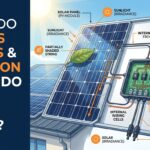
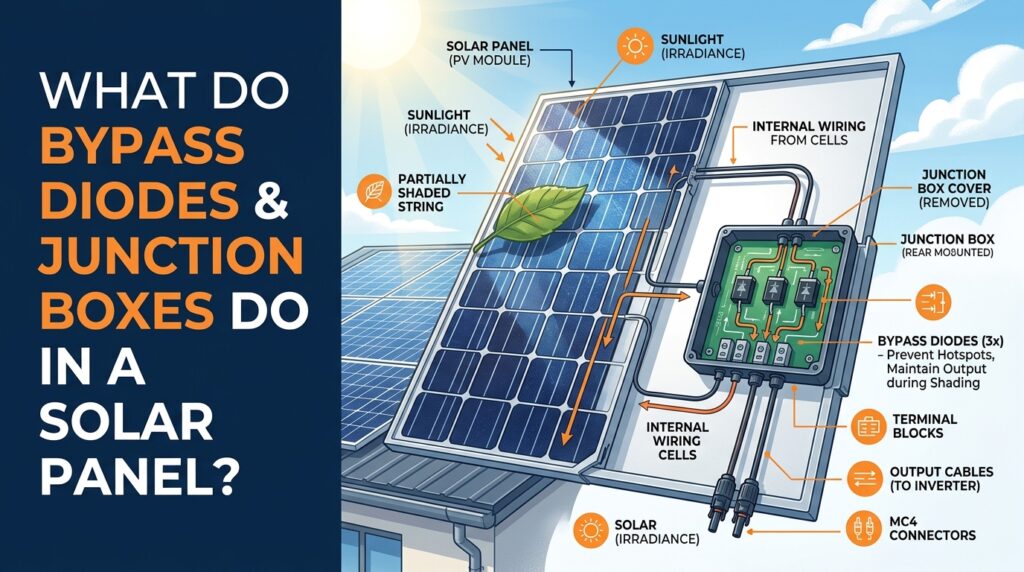
A solar panel junction box is a small, sealed enclosure attached to the back of a solar module. It serves as the connection point between the solar cells inside the panel and the external wiring that connects the panel to the rest of the solar system.
The junction box typically contains electrical connections and bypass diodes. It also provides a protected transition point where the panel’s internal wiring connects to cables that run through the solar array. :contentReference[oaicite:0]{index=0}
| Component | Main Purpose | Why Homeowners Should Care |
|---|---|---|
| Junction box | Houses electrical connections and bypass diodes while protecting them from weather exposure | Helps maintain safe and reliable panel operation |
| Bypass diode | Provides an alternate path for electricity when part of a panel is shaded or affected | Helps reduce hot spots and protects solar cells |
| Output cables and connectors | Transfer electricity from the panel to the solar array wiring | Proper connections support long-term system performance |
What Do Bypass Diodes Do in a Solar Panel?
Bypass diodes are small electronic components that help protect solar panels when part of the panel is not receiving equal sunlight. They are usually installed inside the junction box and work by allowing current to flow around a shaded section of solar cells. :contentReference[oaicite:1]{index=1}
Solar cells in a panel are connected in groups. When sunlight reaches the entire panel evenly, electricity flows normally. But when part of a panel becomes shaded, that section can limit the performance of the connected cells.
A bypass diode provides another route for electricity so the shaded cell group does not become a major problem for the entire panel. This helps reduce the chance of excessive heating, often called a hot spot, which can damage solar cells over time. :contentReference[oaicite:2]{index=2}
How Bypass Diodes Help With Shading
Partial shading is one of the most common challenges for residential solar systems. A chimney, tree branch, utility pole, or nearby structure can cast a shadow across part of a panel during certain times of the day.
Without bypass diodes, shaded cells could interfere with the performance of the surrounding cells and create additional stress. With bypass diodes, the affected section can be temporarily bypassed while the rest of the panel continues operating.
| Situation | What Happens | Role of the Bypass Diode |
|---|---|---|
| Full sunlight across the panel | The panel operates normally | The diode remains inactive |
| Partial shading on a cell group | The shaded section produces less energy | The diode provides an alternate current path |
| Potential cell stress from shading | Heat can develop in affected areas | The diode helps limit hot spot risk |
Do Bypass Diodes Increase Solar Panel Production?
Bypass diodes are mainly protection devices, not power-boosting devices. Their purpose is to help protect the panel and reduce the impact of shading-related problems.
When a bypass diode activates, the affected section of the panel may no longer contribute its full voltage. This means the panel may produce less power during that shaded condition, but the trade-off is improved protection for the solar cells.
In other words, bypass diodes help a panel handle difficult conditions safely. They do not eliminate the effects of shade. Proper system design, panel placement, and equipment selection are still important for reducing shading losses.
Why the Junction Box Matters for Solar Safety
The junction box protects important electrical connections from moisture, dust, temperature changes, and outdoor exposure. Since solar panels spend decades outdoors, the quality of these protected connections matters.
A properly designed and installed junction box helps:
- Protect internal electrical connections from the environment
- Keep bypass diodes properly positioned and protected
- Create a reliable connection between the panel and system wiring
- Support safe long-term solar operation
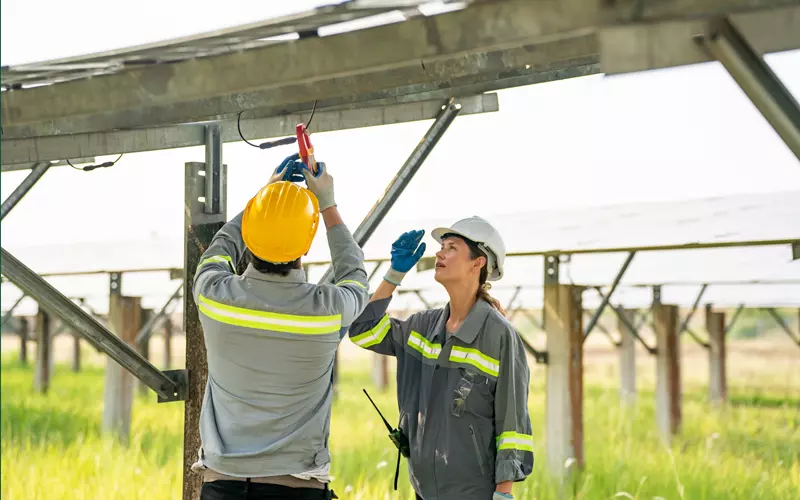
Homeowners should not open or repair junction boxes themselves. Solar panels and their wiring can contain live electrical current when exposed to sunlight. Any suspected issue should be inspected by a qualified solar professional.
How These Components Affect Solar Maintenance
Most homeowners will never directly interact with bypass diodes or junction boxes. They are designed to work quietly in the background. However, understanding their role can help when troubleshooting solar performance issues.
Possible signs that a panel or its electrical connections may need professional inspection include:
- A single panel producing noticeably less energy than similar panels
- Visible damage around the back of a panel
- Electrical performance changes after severe weather
- System monitoring alerts related to individual panels
Routine visual inspections, professional maintenance when needed, and keeping records of system performance can help identify problems early.
What Should Homeowners Ask a Solar Installer?
Before installing solar, homeowners should ask questions about how the system is designed, especially if the property has possible shading issues.
- How will you evaluate shading throughout the year?
- What solar panels are being proposed, and what type of junction box do they use?
- How do the selected panels handle partial shading?
- Will panel placement minimize shade from trees or structures?
- How will the system be monitored after installation?
- What maintenance steps are recommended for long-term performance?
A good installer should explain not only the visible equipment but also the smaller components that contribute to system reliability.
Frequently Asked Questions About Solar Panel Bypass Diodes and Junction Boxes
Do all solar panels have bypass diodes?
Most modern photovoltaic modules include bypass diodes as part of their design. They are commonly installed inside the junction box to help protect cell groups from shading-related stress.
Can bypass diodes prevent all shading losses?
No. Bypass diodes help protect the panel and reduce the effects of partial shading, but they cannot create electricity where sunlight is unavailable. Avoiding unnecessary shade through good system design remains important.
Where is the junction box located on a solar panel?
The junction box is usually located on the back side of the solar panel. It contains electrical connections and commonly houses the bypass diodes.
Can a homeowner replace a bypass diode?
Replacing a bypass diode requires electrical knowledge and proper testing equipment. Homeowners should contact a qualified solar professional for diagnosis and repair.
Why should homeowners understand these small solar components?
Although bypass diodes and junction boxes are not visible from the ground, they play an important role in solar safety, shading management, and long-term system reliability.
Final Thoughts
Bypass diodes and junction boxes may be small parts of a solar panel, but they perform important jobs. The junction box protects critical electrical connections, while bypass diodes help solar panels respond safely when shading affects part of the module.
For homeowners considering solar in St. Louis, Missouri, understanding these components can make it easier to evaluate equipment choices and ask better questions during the installation process. A well-designed solar system considers every detail, from panel placement and wiring to the small protective components working behind the scenes.