When most homeowners and business owners think about going solar, they usually focus on the panels themselves. However, a complete solar energy system includes many additional components that help improve performance, protect equipment, simplify maintenance, and make energy production easier to track. Solar panel accessories such as monitoring systems, power optimizers, mounting hardware, battery equipment, and safety devices can play an important role in getting the most value from a solar investment.
For residential and commercial solar customers, choosing the right accessories is about more than adding extra technology. The right components can help installers create a system that fits the property, handles environmental conditions, and provides better visibility into energy generation. Rumos Chem helps customers understand how these supporting technologies work so they can make informed decisions when planning a solar installation.
Why Solar Panel Accessories Matter
Solar panels are the foundation of a photovoltaic (PV) system, but accessories help the system operate effectively. These components support everything from energy tracking to structural stability and long-term reliability.
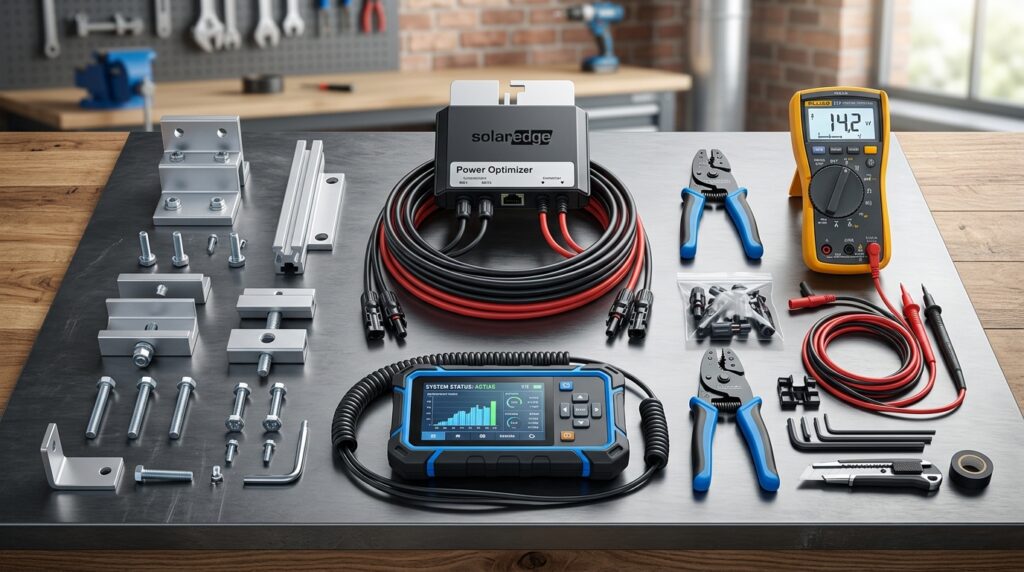
Common solar accessories include:
- Solar monitoring systems: Track energy production and system performance through apps or online platforms.
- Power optimizers: Help individual panels perform better, especially when conditions vary across the array.
- Solar mounting systems: Secure panels to roofs, ground structures, or commercial installations.
- Inverters and inverter accessories: Convert solar electricity into usable power for homes and businesses.
- Battery storage equipment: Stores excess solar energy for later use.
- Safety and electrical accessories: Provide protection and support proper system operation.
Selecting quality accessories can help improve system visibility, simplify troubleshooting, and support the long-term goals of a solar project.
Solar Monitoring Systems: Understanding Your Energy Production
Solar monitoring systems are among the most useful accessories for modern solar installations. They allow homeowners and businesses to view how much electricity their system produces and identify potential issues more quickly.
How Solar Monitoring Works
A monitoring system collects information from solar equipment, such as the inverter and energy meters. This information is typically displayed through a mobile app or web dashboard, allowing users to review system performance.
Solar monitoring platforms may show:
- Daily, monthly, and yearly energy production.
- Current system output.
- Historical performance trends.
- Alerts for possible equipment issues.
- Energy consumption patterns when paired with compatible devices.
For commercial properties with larger solar arrays, monitoring can provide valuable operational insights by helping facility managers understand energy generation and system behavior.
| Monitoring Feature | Residential Benefit | Commercial Benefit |
|---|---|---|
| Mobile app access | View household solar production from a phone or tablet | Review system performance remotely across multiple locations |
| Performance alerts | Identify unusual production changes | Support maintenance planning and operational awareness |
| Production history | Understand seasonal energy patterns | Analyze long-term system trends |
Power Optimizers: Improving Panel-Level Performance
Solar panels do not always produce the same amount of energy throughout the day. Shade, roof angles, dirt, and different panel orientations can affect output. Power optimizers are designed to help manage these variations at the individual panel level.
What Do Power Optimizers Do?
Power optimizers attach to individual solar panels and help maximize the electricity each panel can contribute to the system. They work with compatible inverters to improve energy management and provide panel-level monitoring.
Power optimizers may be especially useful for:
- Homes with partially shaded roofs.
- Buildings with multiple roof sections.
- Installations with different panel orientations.
- Systems where detailed performance tracking is important.
| Accessory | Main Purpose | Best Use Cases |
|---|---|---|
| Power optimizer | Manages panel-level energy output | Complex roofs, shading concerns, detailed monitoring needs |
| Traditional inverter setup | Converts DC solar electricity into AC power | Simple solar layouts with consistent sunlight exposure |
| Microinverter system | Converts power at each individual panel | Installations requiring panel-level control and flexibility |
Solar Mounting Systems: The Foundation of Your Installation
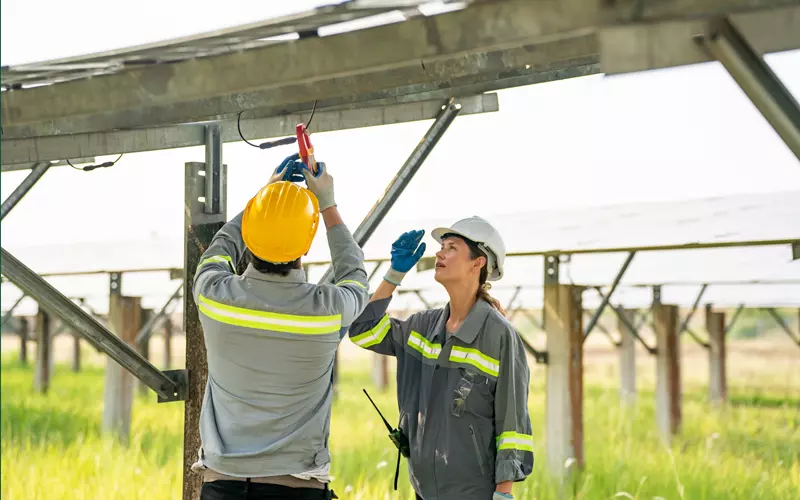
Mounting equipment provides the physical support that keeps solar panels securely attached to a property. A properly designed mounting system helps protect panels against environmental conditions and ensures the array is positioned correctly.
Types of Solar Mounts
- Roof mounts: Common for residential solar installations and many commercial buildings.
- Ground mounts: Installed on open land or available property areas.
- Carport mounts: Combine solar generation with covered parking structures.
- Flat roof systems: Designed for commercial buildings with low-slope roofs.
The right mounting solution depends on roof design, available space, local conditions, and project goals.
Inverter Accessories and Electrical Components
The inverter is one of the most important parts of a solar system because it converts the direct current (DC) electricity generated by panels into alternating current (AC) electricity used by homes and businesses.
Additional inverter-related accessories may include:
- Communication devices for system monitoring.
- Rapid shutdown equipment for safety requirements.
- Electrical protection components.
- Metering equipment for energy tracking.
Professional installation helps ensure these components are properly selected and integrated with the rest of the solar system.
Battery Storage and Energy Management Accessories
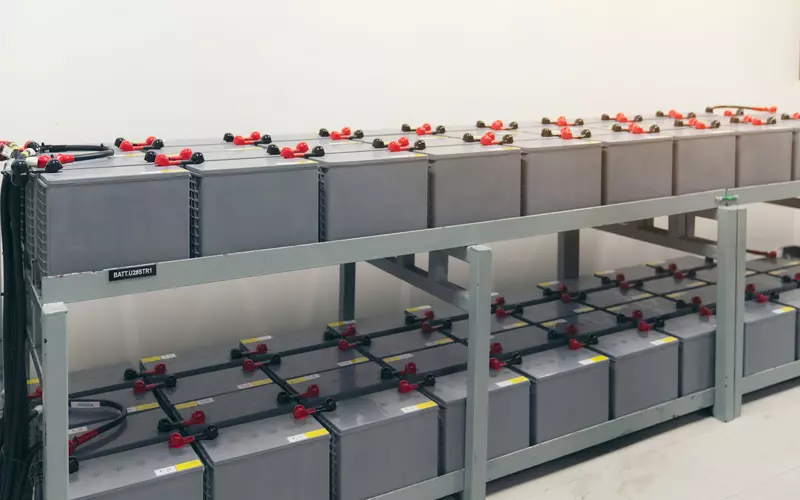
Battery storage is an increasingly popular addition to solar systems. While solar panels generate electricity during sunlight hours, batteries can store excess energy for later use.
Solar batteries and related equipment can help customers:
- Use more of their own solar-generated electricity.
- Manage energy use during periods when solar production is lower.
- Support backup power strategies when paired with compatible systems.
| Accessory Category | Primary Function | Key Considerations |
|---|---|---|
| Monitoring equipment | Tracks system performance | App features, alerts, compatibility |
| Optimizers | Manages panel-level output | Roof complexity and shading conditions |
| Mounting hardware | Secures solar panels | Roof type, structure, weather conditions |
| Battery storage | Stores excess electricity | Energy goals and backup preferences |
How to Choose the Right Solar Accessories
The best solar accessories depend on the property, energy goals, and system design. Not every installation requires every available option, so it is important to focus on components that provide meaningful benefits.
Practical Tips for Selecting Solar Accessories
- Evaluate your property: Consider roof design, shading, available space, and environmental conditions.
- Think about monitoring needs: Decide how much visibility you want into energy production and system performance.
- Consider future upgrades: Choose equipment that can support possible additions such as battery storage.
- Prioritize compatibility: Make sure accessories work together as part of a complete solar system.
- Work with experienced installers: Professional guidance can help match equipment choices to your specific project.
Common Mistakes to Avoid When Choosing Solar Accessories
Adding unnecessary equipment or selecting incompatible components can reduce the value of a solar investment. Consider these common mistakes:
- Choosing accessories without considering the full system design.
- Ignoring future energy needs or possible expansions.
- Selecting equipment based only on features instead of property requirements.
- Overlooking maintenance and monitoring capabilities.
Frequently Asked Questions About Solar Panel Accessories
1. Are solar panel accessories necessary for every installation?
Not every solar system requires the same accessories. The ideal setup depends on factors such as roof conditions, energy goals, system size, and customer preferences. Some accessories, like monitoring equipment, are commonly included, while others are selected based on specific needs.
2. Do power optimizers increase solar system performance?
Power optimizers can help improve energy management when panel conditions vary, such as with shading or different roof orientations. Their benefits depend on the design and conditions of the individual solar installation.
3. Can I add battery storage after installing solar panels?
In many cases, battery storage can be added later, but compatibility depends on the existing solar equipment. Planning for future upgrades during the initial installation can make expansion easier.
4. How do I know which solar accessories my property needs?
A solar professional can evaluate your property, energy usage, and installation goals to recommend appropriate accessories. The right combination should balance performance, reliability, and long-term value.
Conclusion: Build a Smarter Solar System With the Right Accessories
Solar panels are only one part of a complete energy solution. Accessories such as monitoring systems, power optimizers, mounting equipment, batteries, and electrical components help create a more functional and reliable solar installation for homes and businesses.
Rumos Chem helps residential and commercial customers understand their solar options and choose equipment designed around their unique energy needs. If you are considering solar and want to learn which accessories make sense for your property, contact Rumos Chem today to request a free solar quote and start planning your solar energy system.