What Is a Combiner Box and Do Residential Solar Systems Need One?
When planning a home solar installation, understanding electrical balance-of-system components can feel overwhelming. Homeowners frequently ask about solar combiner boxes: what they do, how they protect electrical wiring, and whether every home setup actually requires one. At Rumos Chem, we deliver tailored residential solar power information and professional installation services across St. Louis, Missouri. This guide details everything you need to know about combiner boxes, National Electrical Code (NEC) compliance, and making smart design choices for your home.
1. Understanding the Core Purpose of a Solar Combiner Box
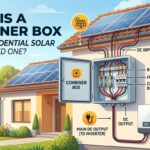
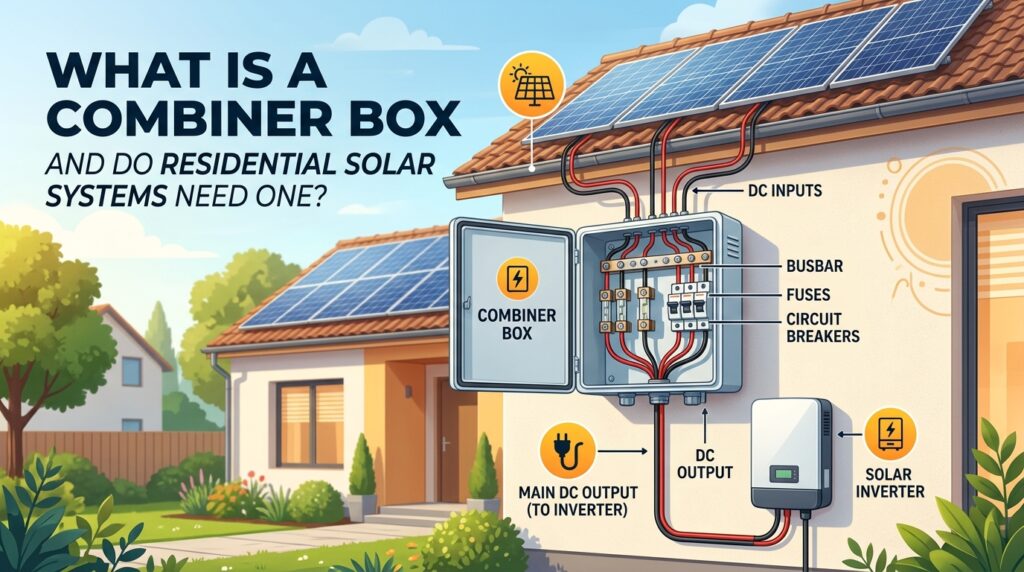
A solar combiner box is an electrical enclosure designed to consolidate multiple direct current (DC) inputs from solar panel strings into a single consolidated DC output. Solar panels on your roof are wired together in series to form “strings.” Each string generates electrical current, which travels down toward your system’s inverter.
When a home rooftop installation requires three or more parallel strings, running separate sets of heavy-gauge wires all the way down to the central inverter is inefficient and costly. A combiner box sits near the solar array, receiving wires from each individual string, combining their current safely, and feeding a single streamlined set of conductors to the inverter. This consolidation simplifies wiring management, protects system components, and reduces voltage drop over long conductor runs.
2. Key Components Inside a Combiner Box
Inside a durable, weatherproof enclosure—typically rated NEMA 3R or NEMA 4X for outdoor exposure—a solar combiner box houses essential safety and electrical hardware:
-
String Input Terminals: Terminal blocks or busbars designed to securely connect the positive and negative leads from each panel string.
-
Overcurrent Protection Devices (Fuses or Circuit Breakers): Dedicated DC fuses or breakers placed on each string input to prevent excessive current from damaging wiring or module backsheets.
-
DC Disconnect Switch: A integrated switch allowing homeowners or technicians to manually shut down DC power directly at the box.
-
Surge Protective Devices (SPDs): Components engineered to absorb and divert transient voltage spikes, such as those caused by lightning strikes in the St. Louis area.
-
Combined Output Busbars: Heavy-duty copper or aluminum bars that merge the protected individual circuits into a single positive and negative feeder output.
3. Critical Roles: Overcurrent Protection, Disconnects, Monitoring, and Rapid Shutdown
Combiner boxes fulfill several vital functional roles beyond simply grouping wires together:
Overcurrent Protection and Fuses
If one string experiences a short circuit or ground fault, backfeed current from adjacent strings can rush toward the faulty line. String fuses interrupt this fault current instantly, preventing thermal damage, wire insulation failure, or fire hazards.
Safety Disconnects and Maintenance Points
Having an accessible switch in the combiner box simplifies isolation. Servicing a single string or isolating the array for maintenance can be performed safely without disconnecting the entire home setup blind.
System Monitoring Capabilities
Modern advanced combiner boxes feature smart monitoring technology. Current sensors track the power output of individual strings, allowing installers like Rumos Chem to detect underperforming strings, shading issues, or failing hardware quickly through software diagnostics.
Rapid Shutdown Integration
National Electrical Code (NEC 690.12) requires rapid shutdown compliance to protect first responders. Many integrated combiner boxes work alongside rapid shutdown devices (RSDs) to discharge roof-level DC voltage below safe thresholds within 30 seconds of switch activation.
4. When Does a Residential Solar System Need a Combiner Box?
Whether your residence requires a combiner box depends primarily on your array layout and inverter selection. The following table outlines standard residential configurations:
5. Combiner Box vs. AC Combiner Panel: What’s the Difference?
It is easy to confuse a DC solar combiner box with an AC combiner panel, but they serve distinct architectures:
6. Electrical Codes, Safety Standards, and St. Louis Homeowner Context
In St. Louis, Missouri, solar installations must strictly comply with local electrical codes based on the National Electrical Code (NEC), alongside municipal building permits and utility interconnection rules from Ameren Missouri. Key code factors include:
-
NEC 690.9 (Overcurrent Protection): Overcurrent protection is mandatory whenever three or more strings are connected in parallel. Two strings naturally limit fault current, but three strings create overcurrent risks requiring dedicated fuses.
-
Enclosure Ratings: St. Louis experiences distinct seasonal weather—from humid, storm-heavy summers to icy winter freezing. Combiner boxes must be housed in UV-resistant, NEMA 3R or NEMA 4X weather-rated enclosures to withstand humidity, snow, and rain exposure.
-
Utility Interconnection Safety: Proper labeling, rapid shutdown compliance, and clear DC disconnect access are required during final inspections before Ameren grants permission to operate (PTO).
Rumos Chem Local Expertise: As a dedicated residential solar information and installation provider in St. Louis, Missouri, Rumos Chem designs solar systems engineered specifically for local code compliance and environmental resilience. We evaluate your roof orientation, shading, and inverter setup to determine precisely when a combiner box adds real safety and efficiency value.
7. Practical Tips for Solar Combiner Box Maintenance and Troubleshooting
Proper maintenance ensures your solar electrical connections remain secure and free of thermal hotspots throughout your system’s 25+ year lifespan:
-
Schedule Annual Visual Inspections: Inspect the exterior enclosure for cracking, failed weather seals, moisture ingress, or pest nesting.
-
Perform Infrared Thermal Scans: Professional installers like Rumos Chem use thermography during tune-ups to detect loose wire connections or overheating fuses before they fail.
-
Verify Fuse Continuity: If an individual panel string drops power output unexpectedly, a blown DC string fuse inside the combiner box is often the primary cause.
-
Check Seal Integrity: Ensure conduit entry fittings and strain reliefs remain tightly sealed against moisture intrusion.
-
Never Open Under Load: Always open the main inverter DC disconnect before pulling DC string fuses or servicing internal combiner components to prevent electrical arcing.
8. Frequently Asked Questions (FAQ)
Q: Do all home solar installations need a DC combiner box?
A: No. Small-to-medium home solar systems with only one or two strings usually connect directly into the inverter. Microinverter systems and DC optimizer setups also do not require traditional DC combiner boxes.
Q: Can a combiner box be installed indoors?
A: While technically possible if code allows, combiner boxes are usually installed outdoors near the rooftop solar array to minimize high-current DC cable runs through the living space of the home.
Q: What happens if a fuse blows in a solar combiner box?
A: If a fuse blows, that specific string of solar panels stops delivering power to the inverter. The rest of the system continues operating, but total power output drops. The fuse should be replaced by a qualified technician after identifying the root cause of the fault.
Q: How does St. Louis weather affect solar equipment like combiner boxes?
A: St. Louis experiences significant temperature swings, intense thunderstorms, and freezing winter weather. Weather-tight NEMA-rated enclosures and surge protection devices are essential to keep moisture out and prevent lightning surge damage.
Q: How do I know if my system design requires a combiner box?
A: Your installation provider will calculate string voltage, current totals, and inverter specifications. At Rumos Chem, we handle all engineering calculations to ensure your St. Louis home solar array is optimized, safe, and fully code-compliant.