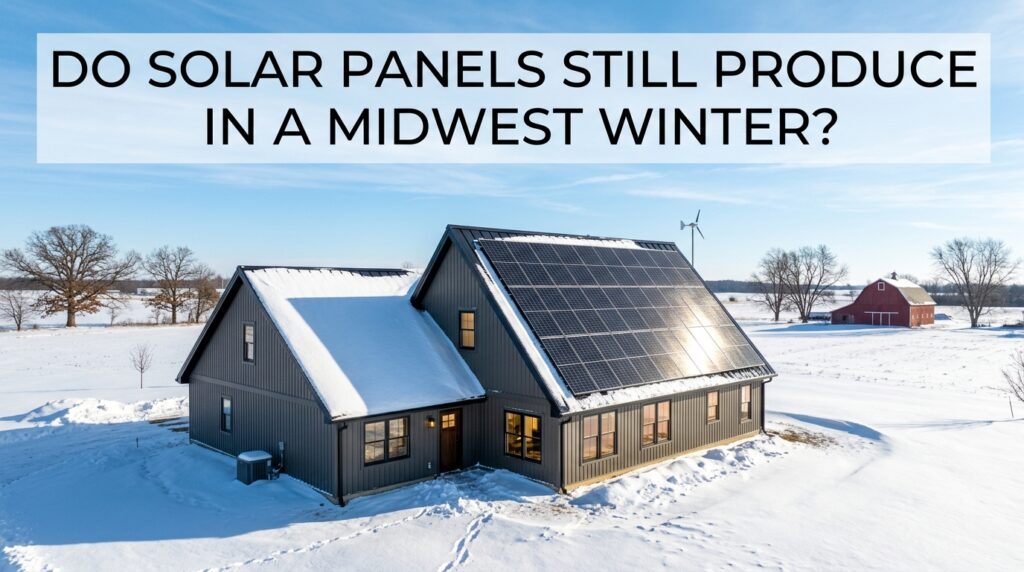
Do Solar Panels Still Produce in a Midwest Winter?
Many homeowners in St. Louis, Missouri ask an important question before going solar: do solar panels still produce electricity during a cold Midwest winter? The short answer is yes. Solar panels continue generating electricity in winter, including during cold temperatures, cloudy periods, and occasional snowfall. However, winter production is different from summer production because the amount of available sunlight changes throughout the season. :contentReference[oaicite:0]{index=0}
For homeowners considering solar installation, understanding seasonal production is essential. A properly designed residential solar system is planned around annual energy production, roof conditions, shading, and local weather patterns—not just the sunny days of July. At Rumos Chem, we help St. Louis-area homeowners understand how solar performs throughout the entire year.
How Do Solar Panels Work During Winter?
Solar panels do not need warm weather to create electricity. They generate power when sunlight reaches photovoltaic cells inside the panels. Because solar panels are electronic devices, cooler temperatures can actually improve their operating efficiency compared with very hot conditions. :contentReference[oaicite:1]{index=1}
The main reason winter solar production is usually lower is not the cold. It is the reduction in available sunlight. Winter brings shorter days, a lower sun angle, and often more cloudy weather. These factors reduce the total amount of solar energy reaching your panels during the day. :contentReference[oaicite:2]{index=2}
| Winter Factor | Effect on Solar Production |
|---|---|
| Cold temperatures | Can improve panel efficiency because solar cells generally perform better when cooler. |
| Shorter daylight hours | Reduces the number of hours available for electricity generation. |
| Lower sun angle | Changes how directly sunlight reaches the panels. |
| Snow or ice coverage | Can temporarily reduce production by blocking sunlight. |
| Cloudy winter days | Reduce available sunlight but do not completely stop production. |
Why Winter Solar Production Drops in Missouri
St. Louis experiences seasonal changes in sunlight availability. During winter months, the sun follows a lower path across the sky, and daylight hours are shorter than in spring and summer. Since solar panels rely on sunlight, these changes naturally affect energy output.
This does not mean a solar system stops working. Instead, homeowners should expect production patterns to follow the seasons. A solar array may produce less electricity in December than in June, but that difference is expected and considered during system design.
Cold Weather Is Not the Enemy of Solar
A common misconception is that solar panels need heat to work. In reality, excessive heat can reduce solar panel efficiency. A clear, cold winter day can provide excellent operating conditions for solar equipment because the panels remain cooler while still receiving sunlight.
The challenge during winter is sunlight availability, not freezing temperatures. Even in colder climates, solar systems can provide meaningful energy production when they are properly designed and installed.
What Happens When Snow Covers Solar Panels?
Snow can temporarily affect solar production because panels need sunlight exposure to generate electricity. If a thick layer of snow completely covers the surface, energy production may decrease until the snow clears. :contentReference[oaicite:3]{index=3}
Fortunately, many rooftop solar systems are installed at an angle, which helps snow slide away naturally. The dark surface of solar panels can also absorb sunlight and warm slightly, helping snow melt after weather conditions improve. :contentReference[oaicite:4]{index=4}
| Snow Condition | Expected Impact |
|---|---|
| Light snow or partial coverage | Some sunlight may still reach the panels, allowing limited production. |
| Heavy snow covering the entire panel | Production can be significantly reduced until the panels are exposed again. |
| Snow that slides off naturally | Normal production can resume once sunlight reaches the panels. |
Should You Remove Snow From Solar Panels?
Most homeowners do not need to manually remove normal snowfall from rooftop solar panels. Climbing onto a roof during winter conditions can create safety risks, and improper cleaning methods may damage the panels.
If a system experiences unusual snow buildup or an extended production issue, homeowners should review their monitoring system and contact their solar installer for guidance.
How Solar System Design Affects Winter Performance
Winter performance starts with good system design. Factors such as roof orientation, tilt, shading, panel placement, and equipment selection all influence how well a system performs throughout the year.
Roof Direction and Sun Exposure
A roof with strong sun exposure generally provides better year-round solar performance. Solar professionals evaluate the available sunlight on a property before recommending a system design.
Shading Considerations
Winter shadows can behave differently because the sun sits lower in the sky. Trees, nearby buildings, and roof features may create more shading during certain winter hours than they do during summer.
Monitoring Winter Production
Solar monitoring tools allow homeowners to track system performance over time. Looking at monthly and yearly trends provides a better understanding of solar performance than judging the system based on a single cloudy day or snowstorm.
Does Winter Weather Damage Solar Panels?
Modern solar panels and mounting systems are designed to withstand typical outdoor conditions, including temperature changes, rain, wind, and snow. Proper installation practices and equipment selection are important for long-term reliability. :contentReference[oaicite:5]{index=5}
Like any home improvement project, solar installation quality matters. Working with an experienced residential solar installer helps ensure the system is designed for local weather conditions and installed according to manufacturer requirements.
What Midwest Homeowners Should Expect From Solar
Solar energy in the Midwest is not about producing the same amount of electricity every day of the year. Instead, it is about producing energy across all seasons and maximizing annual performance.
Summer usually provides longer days and stronger sunlight, while winter provides fewer daylight hours. A well-designed solar system accounts for these natural changes and helps homeowners generate clean electricity throughout the year.
Frequently Asked Questions About Solar Panels in Winter
Do solar panels work when it is below freezing?
Yes. Freezing temperatures do not prevent solar panels from producing electricity. Solar panels generate power from sunlight, not heat, and cooler temperatures can improve efficiency.
Will snow completely stop my solar panels from working?
A thick layer of snow covering the panels can greatly reduce production temporarily. However, snow often clears naturally as sunlight returns and temperatures rise.
Are solar panels worth installing in St. Louis because of winter weather?
Winter weather alone does not prevent solar from being a practical option in St. Louis. The right answer depends on factors such as your electricity usage, roof conditions, shading, available sunlight, and overall energy goals.
Do solar panels produce power on cloudy winter days?
Yes. Solar panels can still generate electricity from available daylight during cloudy conditions, although production is typically lower than on clear sunny days.
How can I improve my solar system’s winter performance?
Good system design, proper placement, reducing shading, and keeping equipment maintained are the best ways to support reliable year-round solar production.
Final Thoughts
Solar panels do continue producing electricity during Midwest winters. The biggest changes come from shorter days, lower sun angles, clouds, and occasional snow—not from cold temperatures themselves. For St. Louis homeowners, understanding seasonal solar performance makes it easier to set realistic expectations and plan a system that works throughout the year.
Rumos Chem provides residential solar information and installation guidance for homeowners who want to understand how solar fits their property, energy needs, and local conditions.