Smart Solar Monitoring: How Apps and AI Help You Get More From Your System
Installing solar panels is a major step toward producing cleaner energy, lowering reliance on the traditional power grid, and gaining more control over electricity usage. However, the value of a solar system does not end when the panels are installed. Modern solar monitoring technology helps homeowners and businesses understand how their system performs every day and identify opportunities to improve energy savings.
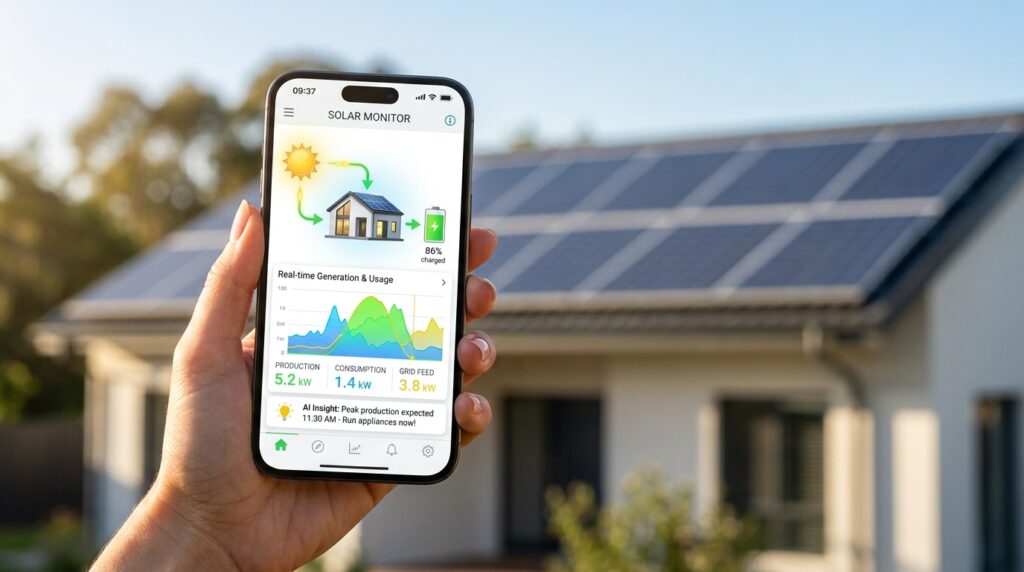
Smart solar monitoring combines mobile apps, cloud-based platforms, sensors, and artificial intelligence (AI) tools to provide real-time information about solar production, energy consumption, battery storage, and system health. For residential and commercial solar customers, these technologies can make solar ownership easier by turning complex system data into practical insights.
At Rumos Chem, we help customers explore solar solutions designed for long-term performance. Understanding how smart monitoring works can help you make better decisions about your solar investment and get more value from your renewable energy system.
What Is Smart Solar Monitoring?
Smart solar monitoring is a technology system that tracks and analyzes the performance of a solar installation. It collects information from solar panels, inverters, batteries, and electrical systems, then displays that data through an online dashboard or smartphone app.
Instead of waiting for an electricity bill or a maintenance issue to discover how your system is performing, monitoring tools provide ongoing visibility into your solar production and energy habits.
- Track daily, weekly, monthly, and yearly solar energy production
- View household or business electricity consumption patterns
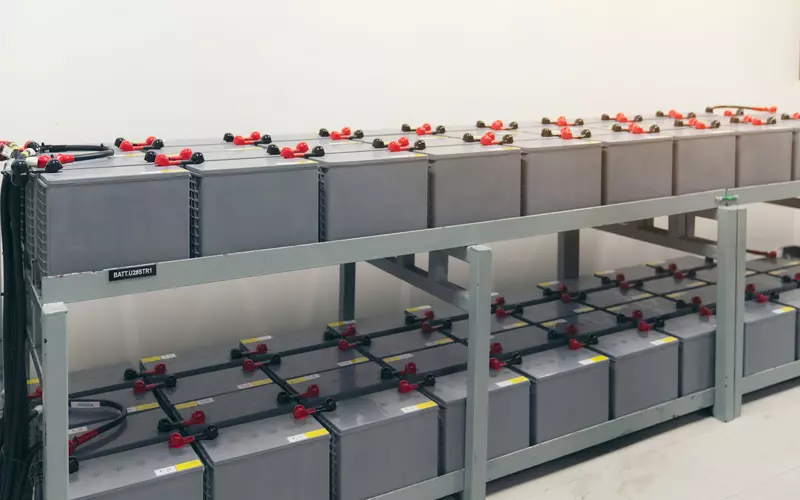
- Monitor battery charging and usage when energy storage is installed
- Receive alerts about potential equipment issues
- Identify opportunities to adjust energy use and improve savings
Traditional Solar Systems vs Smart Solar Systems
| Feature | Traditional Solar Monitoring | Smart Solar Monitoring |
|---|---|---|
| Performance Tracking | Basic production information or occasional checks | Real-time data through apps and online dashboards |
| System Alerts | Issues may be discovered during inspections | Automatic notifications can highlight unusual performance |
| Energy Insights | Limited visibility into usage habits | Detailed analysis of production and consumption patterns |
| User Control | Less interaction after installation | Homeowners and businesses can actively manage energy decisions |
How Solar Monitoring Apps Help Homeowners
Solar monitoring apps are designed to make system information easy to understand. Instead of reviewing technical equipment data, homeowners can open an app and quickly see whether their system is producing energy as expected.
Many monitoring platforms provide simple charts showing how much electricity the solar panels generate throughout the day. Users can compare sunny days, cloudy days, and seasonal changes to better understand normal system behavior.
Benefits of Solar Apps for Residential Solar Customers
- Greater energy awareness: Homeowners can see when solar production is highest and plan electricity use accordingly.
- Faster problem detection: Notifications may help identify unusual production drops or equipment concerns.
- Better energy habits: Families can adjust appliance usage to match solar availability.
- Convenient access: Monitoring information is available from smartphones, tablets, or computers.
How AI Improves Solar System Performance
Artificial intelligence is becoming an important part of modern solar monitoring. AI tools analyze large amounts of system data and look for patterns that may be difficult for people to notice manually.
AI does not create energy from the panels, but it can help users and installers make smarter decisions about system operation, maintenance, and energy management.
Common AI Applications in Solar Monitoring
- Performance predictions: AI can analyze historical production data and weather information to estimate expected energy output.
- Anomaly detection: AI systems can identify production patterns that differ from normal operation.
- Maintenance support: Advanced platforms may help installers prioritize systems that need attention.
- Energy optimization: AI can help coordinate solar production, battery storage, and electricity usage.
AI Monitoring Compared With Basic Monitoring
| Capability | Basic Monitoring | AI-Enhanced Monitoring |
|---|---|---|
| Data Display | Shows production and system information | Analyzes information and identifies patterns |
| Issue Detection | Users review data manually | Automated systems may flag unusual activity |
| Energy Planning | Provides historical information | Can provide data-based recommendations |
| Long-Term Insights | Basic performance records | More detailed analysis of trends over time |
Smart Monitoring for Commercial Solar Systems
For businesses, solar monitoring can be especially valuable because commercial solar systems often involve larger energy loads, multiple equipment components, and more complex operating schedules.
Business owners and facility managers can use monitoring platforms to understand how solar production interacts with building operations. This information can support better energy management strategies and help identify maintenance needs.
Commercial Benefits of Solar Monitoring
- Track performance across larger solar installations
- Review energy trends for operational planning
- Monitor multiple systems or locations through centralized platforms
- Identify potential equipment concerns earlier
- Support reporting and sustainability goals
How Solar Monitoring Helps Protect Your Investment
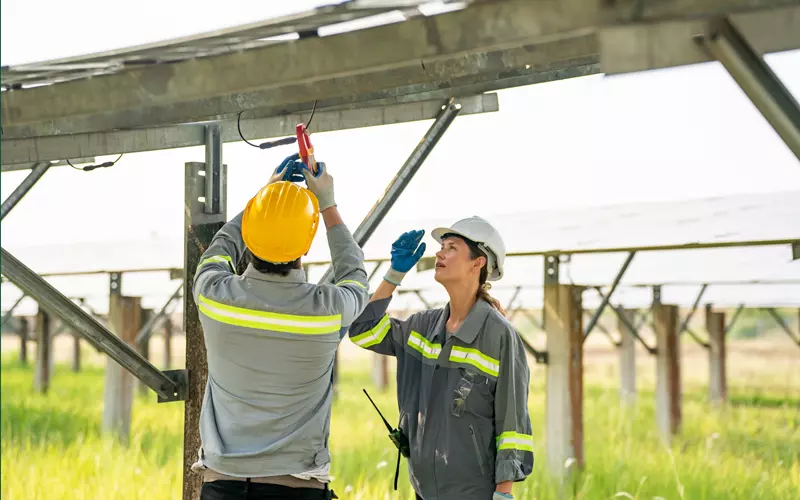
A solar installation is designed to operate for many years, but regular visibility into performance can help maintain long-term value. Monitoring allows homeowners and businesses to understand whether their system is operating normally and provides useful information when maintenance is needed.
Examples of situations where monitoring can be helpful include:
- A sudden decrease in energy production compared with previous patterns
- Unexpected inverter or battery notifications
- Changes caused by shading, weather, or environmental conditions
- Comparing actual performance with expected system output
While monitoring tools can provide valuable information, professional inspections and maintenance may still be necessary depending on the equipment and situation.
How to Choose a Solar Monitoring System
When selecting a solar installation company or evaluating monitoring options, consider how the technology fits your energy goals. A good monitoring system should be easy to use while providing the information you need.
Practical Tips for Choosing Smart Solar Monitoring
- Look for user-friendly apps: A clear dashboard makes it easier to understand system performance.
- Check compatibility: Make sure monitoring works with your solar panels, inverter, and battery equipment.
- Consider future needs: If you may add energy storage or expand your system, choose flexible technology.
- Review alert features: Notifications can help you stay informed about possible issues.
- Ask about support: Reliable installer support can make monitoring more useful over the life of your system.
| Selection Factor | Questions to Ask |
|---|---|
| Ease of Use | Can homeowners or employees easily understand the dashboard? |
| Data Access | Is information available through mobile apps and online platforms? |
| Equipment Compatibility | Does the monitoring system support current and future equipment? |
| Installer Support | Is professional assistance available when questions arise? |
Frequently Asked Questions About Smart Solar Monitoring
1. Do I need smart monitoring with my solar system?
Smart monitoring is not always required for a solar system to operate, but many homeowners and businesses find it useful for tracking performance, understanding energy use, and identifying possible issues sooner.
2. Can solar monitoring increase my solar panel output?
Monitoring does not directly increase the amount of sunlight your panels receive. However, it can help you identify performance issues and make informed decisions that may improve how effectively you use the energy your system produces.
3. Can I monitor my solar system from my phone?
Many modern solar systems include mobile apps that allow users to view production data, consumption information, battery status, and system alerts from a smartphone or tablet.
4. Is AI required for a residential solar installation?
No. A solar system can function without AI-based tools. However, AI features can provide additional analysis and automation that may help homeowners and businesses better understand system performance.
Conclusion: Get More From Your Solar Investment With Smart Monitoring
Smart solar monitoring gives homeowners and businesses a clearer view of how their solar systems perform. With mobile apps, real-time data, and advanced AI-powered analysis, solar customers can better understand energy production, identify potential concerns, and make informed decisions about their electricity use.
Whether you are considering a new residential solar installation or upgrading a commercial energy system, Rumos Chem can help you explore solar solutions with modern monitoring capabilities. Contact us today to request a free solar quote and learn how smart technology can help you get more from your solar investment.