Solar technology continues to evolve as researchers and manufacturers look for ways to produce more electricity from smaller, lighter, and more adaptable solar panels. While traditional silicon solar panels remain the dominant choice for residential and commercial installations, a newer technology called perovskite solar cells has gained significant attention for its potential to change the future of solar energy.
For homeowners and businesses considering solar, understanding emerging technologies can help with long-term planning. At Rumos Chem, we help customers evaluate proven solar solutions while staying informed about innovations that may shape the industry. This guide explains what perovskite solar cells are, how they compare with silicon panels, and whether they could eventually replace today’s most common solar technology.
What Are Perovskite Solar Cells?
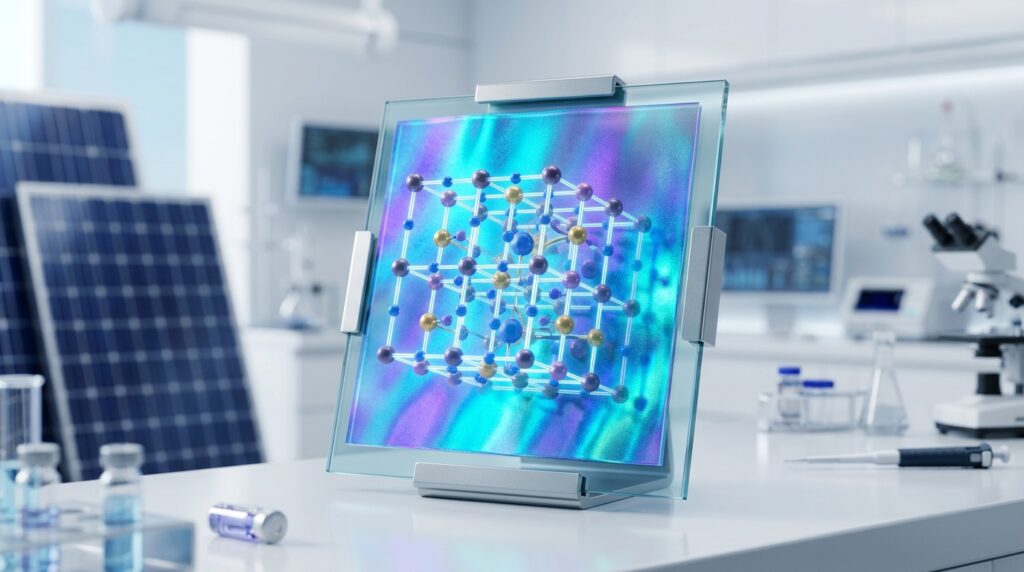
Perovskite solar cells are a type of photovoltaic technology that uses a special class of materials with a crystal structure similar to the mineral perovskite. These materials can absorb sunlight and convert it into electricity, much like the silicon-based solar cells used in most solar panels today.
The name “perovskite” refers to the structure of the material rather than a single chemical compound. Researchers can create different perovskite materials by combining various elements to achieve specific properties, such as improved light absorption or better stability.
Unlike traditional silicon solar cells, which require energy-intensive manufacturing processes, perovskite cells can potentially be produced using simpler techniques. This has made them an important area of research for lowering manufacturing costs and expanding solar applications.
How Do Perovskite Solar Cells Work?
Perovskite solar cells operate using the same basic photovoltaic principle as other solar technologies:
- Sunlight strikes the solar cell and is absorbed by the perovskite material.
- The absorbed energy creates electrically charged particles.
- The cell’s internal structure directs those charges into an electrical current.
- An inverter converts the electricity into usable power for homes, businesses, or the electrical grid.
One of the main advantages of perovskite materials is their ability to absorb a broad range of light wavelengths. This characteristic makes them especially interesting for use in tandem solar cells, where perovskite layers are combined with silicon layers to capture more energy from sunlight.
Why Are Perovskite Solar Cells Receiving Attention?
Researchers have been studying perovskite technology because it offers several potential benefits compared with conventional solar materials. However, the technology is still developing, and many challenges remain before large-scale adoption becomes common.
| Potential Advantage | Why It Matters |
|---|---|
| Strong light absorption | Perovskite materials can absorb sunlight efficiently, which may allow thinner solar layers and flexible designs. |
| Manufacturing flexibility | Some perovskite production methods may require less energy-intensive processing compared with traditional solar manufacturing. |
| Lightweight possibilities | Future perovskite products may enable solar applications on surfaces where heavier panels are difficult to install. |
| Tandem cell compatibility | Perovskites can be combined with silicon to potentially improve overall solar performance. |
Perovskite Solar Cells vs. Silicon Solar Panels
Silicon solar panels currently dominate the solar market because they have decades of manufacturing experience, proven durability, and established installation practices. Perovskite technology is promising, but it is still moving from research and early commercial development toward wider adoption.
| Feature | Silicon Solar Panels | Perovskite Solar Cells |
|---|---|---|
| Current market use | Widely used in residential and commercial solar installations. | Primarily in research, pilot projects, and early-stage commercial applications. |
| Material type | Crystalline silicon semiconductor material. | Perovskite-structured semiconductor materials. |
| Durability history | Extensive real-world performance history over many years. | Still undergoing testing for long-term outdoor reliability. |
| Design flexibility | Typically rigid panels with established formats. | Potential for lightweight and flexible applications. |
| Future potential | Continued improvements through advanced manufacturing. | Possible use in next-generation and tandem solar technologies. |
Challenges Facing Perovskite Solar Technology
Although perovskite solar cells show significant promise, researchers and manufacturers are working to solve several important challenges before they become a mainstream replacement for silicon panels.
Long-Term Stability
Solar panels are expected to operate outdoors for decades while facing heat, moisture, temperature changes, and sunlight exposure. Some early perovskite materials have shown sensitivity to environmental conditions, so improving durability remains a major research focus.
Large-Scale Manufacturing
Creating small laboratory cells is different from producing millions of reliable solar modules. Manufacturers must develop consistent production methods, quality controls, and supply chains before perovskite technology can compete widely with established silicon manufacturing.
Environmental and Material Considerations
Some perovskite formulations use materials that require careful management during manufacturing and recycling. Researchers are exploring alternative compositions and improved designs to address these concerns.
Will Perovskite Solar Cells Replace Silicon?
The future of perovskite solar technology is still developing, and it is unlikely that silicon solar panels will disappear immediately. Instead, many industry experts expect perovskites to complement silicon rather than completely replace it in the near term.
A likely pathway is the growth of tandem solar cells, which combine a silicon layer with a perovskite layer. This approach allows each material to capture different portions of sunlight, potentially improving solar energy conversion compared with using either material alone.
| Possible Future Role | Description |
|---|---|
| Tandem solar panels | Perovskite layers may be paired with silicon to create more advanced solar modules. |
| Specialized applications | Lightweight or flexible designs could open new uses for solar energy. |
| Future mainstream panels | Wider adoption depends on improvements in durability, manufacturing, and cost competitiveness. |
How to Choose Solar Technology for Your Home or Business
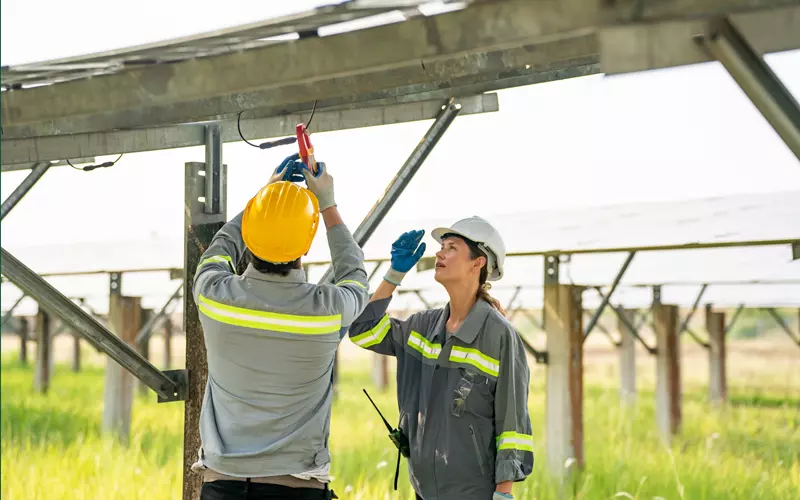
For most homeowners and commercial property owners today, choosing solar is less about waiting for future technologies and more about selecting a reliable system that meets current energy needs. A qualified solar installer can help evaluate available options based on your property, electricity usage, and long-term goals.
Practical Tips Before Installing Solar
- Evaluate your energy needs: Review your electricity consumption patterns to determine the appropriate system size.
- Consider proven technology: Established silicon solar panels offer extensive real-world performance experience.
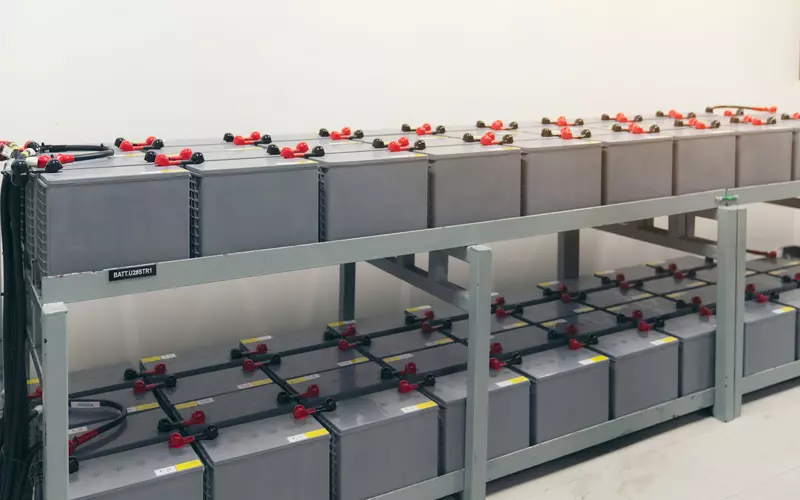
- Review future upgrades: Ask your installer about options for battery storage, monitoring systems, and future technology compatibility.
- Compare warranties and support: Look at product warranties, installation quality, and service options.
- Work with experienced professionals: A knowledgeable solar installer can help match your property with the right equipment.
What Does the Future of Solar Look Like?
The solar industry is likely to continue evolving through improvements in materials, manufacturing, and system design. Silicon technology will remain an important foundation of solar energy for the foreseeable future, while perovskite research may introduce new options for higher-performance and more versatile solar solutions.
For residential and commercial customers, the most important factor is selecting a solar system that delivers dependable energy production today while allowing flexibility for future advancements.
Frequently Asked Questions About Perovskite Solar Cells
1. Are perovskite solar panels available for homes today?
Perovskite solar technology is still developing and is not as widely available for standard residential installations as traditional silicon solar panels. Most home solar systems currently use established silicon-based modules.
2. Are perovskite solar cells more efficient than silicon panels?
Perovskite technology has shown strong potential in research and testing environments, especially when combined with silicon in tandem designs. However, real-world performance depends on factors such as durability, manufacturing quality, and installation conditions.
3. Should I wait for perovskite panels before installing solar?
Waiting for future technology is a personal decision. Many homeowners and businesses choose available solar solutions based on their current energy goals, while others may prefer to monitor emerging technologies before making an investment.
4. Can perovskite and silicon solar cells work together?
Yes. Tandem solar cells combine perovskite and silicon layers to take advantage of both materials. This approach is one of the most widely discussed future applications for perovskite technology.
Conclusion: Explore Your Solar Options With Rumos Chem
Perovskite solar cells represent one of the most exciting developments in renewable energy research. Their potential for improved designs, flexible applications, and advanced solar panels could influence the next generation of photovoltaic technology. However, silicon solar panels remain the proven choice for many residential and commercial installations today.
If you are considering solar for your home or business, Rumos Chem can help you explore reliable solar solutions based on your energy needs and property goals. Contact our team today to request a free solar quote and learn how modern solar technology can help you move toward cleaner, more efficient energy.