Solar technology continues to evolve as homeowners and businesses look for ways to generate more electricity from available space. One innovation gaining attention is the bifacial solar panel, a module designed to capture sunlight from both the front and back surfaces. By producing energy from reflected light as well as direct sunlight, bifacial panels can offer additional generation potential in the right environments.
For residential and commercial property owners considering solar installation, understanding how bifacial solar panels work, where they perform best, and when the added benefits make sense is important. Rumos Chem helps customers evaluate solar options based on their property conditions, energy goals, and long-term savings objectives.
What Are Bifacial Solar Panels?
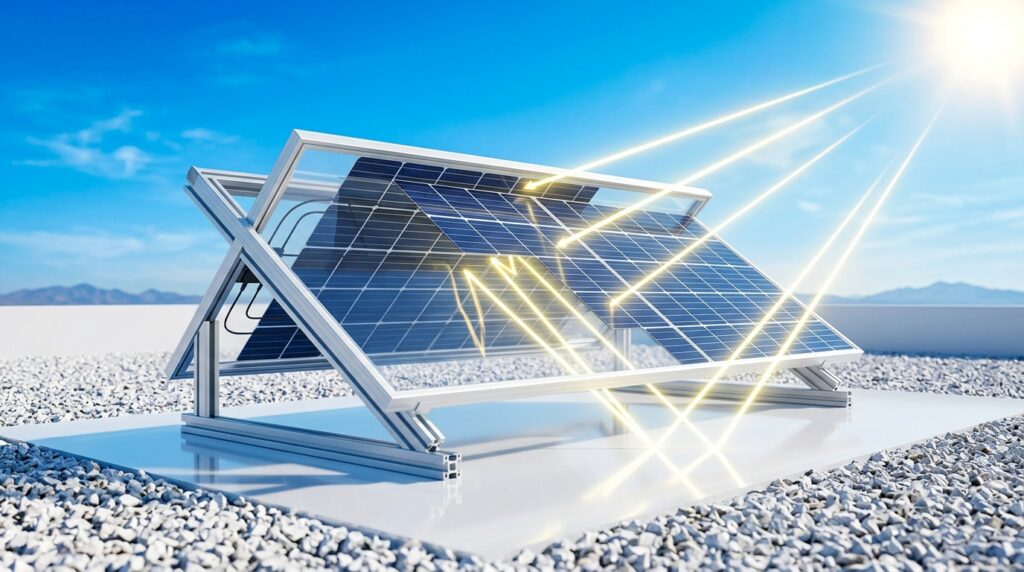
Bifacial solar panels are photovoltaic modules that can absorb sunlight on both sides of the panel. Traditional solar panels typically generate electricity only from the front-facing surface, while bifacial designs use a transparent or semi-transparent back layer that allows solar cells on the rear side to capture reflected light.
The additional electricity generated by the rear surface depends on several factors, including:
- The amount of sunlight reflected from the ground or surrounding surfaces.
- The height and angle at which the panels are installed.
- The type of mounting system used.
- Local weather conditions and available sunlight.
- The reflectivity of the surface beneath the panels.
Bifacial solar panels are commonly considered for commercial solar projects, ground-mounted systems, solar canopies, and certain residential installations where conditions allow light to reach the back of the modules.
How Do Bifacial Solar Panels Work?
Capturing Direct Sunlight
Like conventional solar panels, bifacial modules use photovoltaic cells on the front side to convert sunlight into electricity. When sunlight hits the cells, it creates an electrical current that can be used to power a home, business, or other facility.
Using Reflected Light From the Rear Side
The key difference is the rear-facing solar cells. Light that passes around the panel or reflects from the surface below can reach the back of the module. This additional exposure can create extra electricity production compared with a similar single-sided panel installation.
For example, a bifacial system installed over a bright surface such as a light-colored roof, gravel area, or reflective ground cover may receive more rear-side sunlight than a system installed over a dark surface.
The Role of System Design
Bifacial solar performance depends heavily on installation design. Panels mounted close to a dark roof may receive little reflected light, limiting the advantage of the technology. A raised mounting system with open space underneath can allow more sunlight to reach the rear surface.
| Feature | Traditional Solar Panels | Bifacial Solar Panels |
|---|---|---|
| Energy collection | Primarily from the front surface | From both front and rear surfaces |
| Installation requirements | Works with many common mounting designs | Benefits from designs that allow rear-side light exposure |
| Best applications | Most residential and commercial solar projects | Ground mounts, solar canopies, reflective surfaces, and optimized rooftops |
| Performance factors | Mostly depends on front-side sunlight | Depends on sunlight, reflection, and system layout |
Benefits of Bifacial Solar Panels
Bifacial panels can provide several potential advantages when installed in suitable locations.
- Higher energy generation potential: Capturing additional reflected sunlight may increase total electricity production.
- Better use of available space: Businesses and property owners may generate more power from the same installation area when conditions are favorable.
- Durable construction: Many bifacial modules use glass-backed designs that can provide additional protection and long-term durability.
- Improved performance in certain environments: Locations with reflective surfaces or open mounting structures may benefit more from bifacial technology.
- Flexible applications: They can be used in various commercial and utility-style installations and selected residential projects.
When Do Bifacial Solar Panels Pay Off?
The value of bifacial solar panels depends on whether the additional electricity production justifies the design requirements and installation approach. They are not automatically the best choice for every property.
Situations Where Bifacial Panels May Make Sense
- Ground-mounted solar systems: Elevated panels with open space underneath often provide better conditions for rear-side sunlight.
- Commercial solar projects: Businesses with large available areas may be able to optimize panel placement for additional generation.
- Solar canopies: Parking structures and elevated installations can allow sunlight to reach both sides of the panel.
- High-reflectivity surfaces: Light-colored roofing materials, gravel, or specialized reflective surfaces may increase rear-side exposure.
- Projects focused on maximizing production: Property owners seeking the highest possible output from a solar site may consider bifacial options.
Situations Where the Benefits May Be Limited
Bifacial panels may provide less additional value when:
- The back of the panels receives very little sunlight.
- The panels are installed directly against a dark surface.
- Space limitations prevent optimal panel positioning.
- The project design does not allow adequate airflow or light exposure behind the modules.
| Installation Type | Potential Bifacial Advantage | Key Considerations |
|---|---|---|
| Residential rooftop | May provide additional production in some cases | Roof design, panel spacing, and rear-side exposure are important |
| Commercial rooftop | Can be beneficial with suitable layouts | Building structure and mounting height affect performance |
| Ground-mounted system | Often a strong application for bifacial technology | Ground reflectivity and panel elevation influence results |
| Solar canopy | Can capture additional available sunlight | Design must allow rear-side access to light |
Bifacial vs Traditional Solar Panels: How to Choose
Choosing between bifacial and traditional solar panels requires looking at your property, energy needs, and installation goals. A solar professional can evaluate whether the additional generation potential is likely to provide meaningful value.
Practical Tips for Choosing the Right Solar Panels
- Evaluate your installation location: Determine whether sunlight can reach the back of the panels throughout the day.
- Consider mounting design: Elevated systems may improve bifacial performance compared with tightly mounted panels.
- Review surface conditions: Reflective surfaces can influence how much additional energy the rear side produces.
- Compare expected energy production: Focus on estimated annual output rather than only panel specifications.
- Work with an experienced installer: Professional system design helps ensure the technology matches your property.
Factors That Affect Bifacial Solar Performance
Several variables influence how much additional electricity bifacial panels can generate:
- Albedo: This refers to how much sunlight a surface reflects. Brighter surfaces generally reflect more light than darker ones.
- Panel height: More space beneath panels can allow additional reflected light to reach the rear surface.
- Panel angle: Tilt and orientation affect both front and rear sunlight exposure.
- Shading conditions: Nearby buildings, trees, and structures can reduce potential gains.
- System maintenance: Keeping panels clean can help maintain expected performance.
Are Bifacial Solar Panels Worth It for Homes and Businesses?
For some solar projects, bifacial panels can be a valuable upgrade by increasing electricity production without requiring additional panel space. However, the benefits depend on the property and system design.
Homeowners with standard rooftop installations may find that traditional high-quality solar panels meet their needs. Businesses, farms, warehouses, parking areas, and properties with open installation space may have more opportunities to benefit from bifacial technology.
The best approach is to compare expected system performance, installation requirements, and long-term energy goals before making a decision.
Frequently Asked Questions About Bifacial Solar Panels
1. Do bifacial solar panels produce more electricity than regular panels?
Bifacial solar panels can produce more electricity than similar single-sided panels when the rear surface receives enough reflected sunlight. The additional production varies depending on installation conditions, location, and system design.
2. Can bifacial solar panels be installed on a residential roof?
Yes, bifacial panels can be installed on some residential rooftops. However, the potential benefit depends on factors such as roof material, panel spacing, mounting method, and how much sunlight reaches the back of the panels.
3. Are bifacial solar panels more durable?
Many bifacial modules use durable glass-backed construction, which can provide strong protection against environmental conditions. Durability depends on the specific product design and installation quality.
4. How do I know if bifacial solar panels are right for my property?
A solar installer can review your roof, available space, sunlight conditions, and energy goals to determine whether bifacial panels are a practical option for your project.
Conclusion: Explore Whether Bifacial Solar Panels Fit Your Solar Goals
Bifacial solar panels represent an advancement in solar technology by capturing energy from both sides of the module. While they are not the ideal solution for every installation, they can provide additional electricity generation opportunities in locations with the right conditions.
Whether you are planning a residential solar system or a commercial solar project, Rumos Chem can help you evaluate available options and design a system based on your property’s needs. Contact Rumos Chem today to request a free solar quote and learn whether bifacial solar panels are a smart choice for your energy goals.