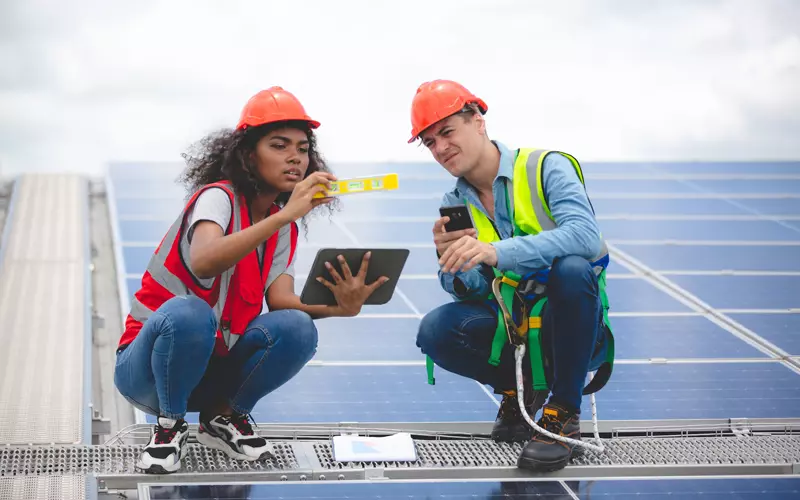
Case Study Example: Small Business Rooftop Solar to Cut Monthly Operating Costs
Small businesses often look for practical ways to reduce operating expenses while maintaining reliable service for customers. Electricity is one of the ongoing costs that many business owners evaluate, especially when energy use is a significant part of daily operations. Rooftop solar can be one option to help businesses manage long-term energy expenses and make better use of available building space.
This article provides an illustrative case study example only. The business, energy usage, system design, savings results, and financial details described below are hypothetical and are not based on a real Rumos Chem customer, installation, or completed project. Actual solar results vary depending on location, roof conditions, electricity consumption, utility rates, system size, available incentives, and other factors.
Rumos Chem provides solar information and installation services for residential and commercial properties, helping property owners explore whether solar may fit their energy goals. :contentReference[oaicite:0]{index=0}
Why Small Businesses Consider Rooftop Solar
For many small businesses, electricity is a predictable but unavoidable monthly expense. Restaurants, offices, retail stores, warehouses, and service businesses may use energy throughout the day for lighting, computers, equipment, heating, cooling, refrigeration, and other operations.
A rooftop solar system can help a business generate some of its own electricity instead of purchasing all power from the utility. The primary goal is usually not eliminating every electric bill but reducing the amount of electricity purchased from the grid over time.
Businesses often explore solar for several reasons:
- Reducing long-term operating expenses
- Improving control over future energy costs
- Using unused rooftop space productively
- Supporting sustainability goals
- Adding a visible clean energy feature to a commercial property
Illustrative Business Profile: A Small St. Louis Company Exploring Solar
The following example represents a fictional small business in the St. Louis, Missouri area. It is designed to demonstrate how a business owner might evaluate a rooftop solar project.
| Example Business Detail | Illustrative Description |
|---|---|
| Business Type | Small office and service facility |
| Location | St. Louis, Missouri area (example only) |
| Building Type | Commercial building with usable rooftop space |
| Primary Goal | Explore ways to reduce electricity expenses |
| Project Status | Hypothetical evaluation, not an actual installation |
Step 1: Reviewing Current Energy Use
Before designing a solar system, a business would typically review historical electricity usage. This helps determine whether solar production could offset a meaningful portion of the company’s electricity needs.
An installer or solar professional may review:
- Past electricity bills
- Monthly and seasonal energy patterns
- Operating hours
- Major electrical equipment
- Future changes in business operations
For example, a business that operates mainly during daylight hours may be able to directly use more of the electricity produced by rooftop solar panels. A company with high evening energy demand may consider whether battery storage or other energy management strategies make sense.
Step 2: Evaluating the Rooftop for Solar
A commercial rooftop solar evaluation involves more than simply measuring available space. The roof must be reviewed for factors that affect system design and performance.
Important Rooftop Considerations
- Roof condition: A roof nearing replacement may need repairs or replacement before solar installation.
- Roof orientation: The direction and angle of the roof can influence solar production.
- Shade: Trees, nearby buildings, and rooftop equipment may affect energy generation.
- Structural capacity: The roof must be suitable for supporting solar equipment.
- Electrical system: Existing electrical infrastructure must be considered during design.
Step 3: Designing a Solar Solution
In this fictional example, the business works with a solar installer to review different system options. The final design would depend on the building’s energy profile and physical conditions.
A commercial solar proposal may include:
| Project Element | Purpose |
|---|---|
| Solar Panels | Convert sunlight into electricity for business use |
| Inverter Equipment | Convert solar electricity into usable building power |
| Mounting System | Secure panels safely to the rooftop structure |
| Monitoring System | Track system performance and energy production |
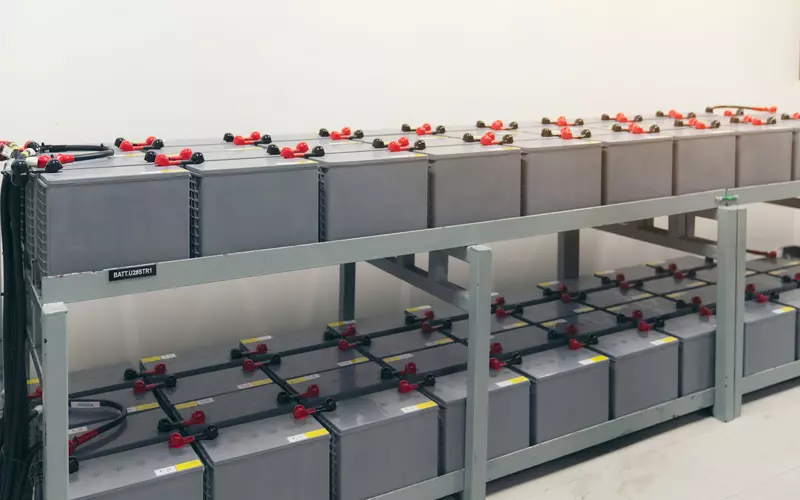
| Optional Battery Storage | Store electricity for selected energy needs when appropriate |
How Rooftop Solar Can Help Reduce Operating Costs
The financial benefit of solar comes from generating electricity that the business may otherwise purchase from the utility. Over time, this can help reduce electricity expenses, although the exact savings depend on many variables.
Factors that influence potential savings include:
- The amount of sunlight available at the property
- The size and efficiency of the solar system
- The company’s electricity consumption habits
- Utility electricity rates
- Financing structure and available incentives
- System maintenance and equipment performance
Because every commercial property is different, a solar assessment should use the business’s actual energy data rather than relying on general assumptions.
Potential Business Benefits Beyond Monthly Savings
Improved Budget Planning
Electricity prices can change over time. Producing some electricity onsite may give a business another way to manage energy costs and plan future expenses.
Better Use of Available Space
A rooftop that receives sunlight can become a productive business asset by generating clean electricity without requiring additional land.
Environmental Goals
Some businesses choose solar because it supports broader sustainability objectives. Solar energy can help reduce reliance on electricity generated from traditional energy sources.
Important Factors Before Installing Commercial Solar
While solar can provide benefits, business owners should carefully review a project before moving forward. A professional evaluation should consider:
- Current and future energy needs
- Roof replacement plans
- Financing options
- Permitting requirements
- Utility interconnection requirements
- Equipment warranties and maintenance expectations
A quality solar installation process typically includes consultation, system design, permitting, installation, and final activation steps. :contentReference[oaicite:1]{index=1}
Frequently Asked Questions About Small Business Rooftop Solar
Is this case study based on a real Rumos Chem customer?
No. This is an illustrative example created to explain how a small business might evaluate rooftop solar. It does not describe a real customer, actual installation, or guaranteed results.
Can rooftop solar eliminate a business electricity bill?
Solar may reduce electricity costs, but most businesses should expect results to depend on system size, energy use, utility policies, and other project details. A solar evaluation is needed to estimate potential impact.
How long does a commercial solar installation take?
The timeline varies based on project size, permitting, equipment availability, inspections, and utility requirements. A solar installer can provide a more accurate schedule after reviewing the property.
Does every commercial building work well for solar?
No. Roof condition, shading, structural considerations, electrical requirements, and energy usage all affect whether solar is a suitable option for a particular building.
Conclusion: Evaluating Solar as a Business Energy Strategy
This hypothetical case study shows the general process a small business may follow when considering rooftop solar. From reviewing electricity usage to evaluating roof conditions and understanding potential savings factors, careful planning is essential.
For St. Louis businesses interested in learning whether solar may fit their property, a professional site evaluation can provide a clearer picture of available options. Rumos Chem helps homeowners and businesses explore solar solutions through consultation, system design, and installation services. :contentReference[oaicite:2]{index=2}