Case Study Example: Commercial Warehouse Solar and the Path to Payback
Commercial solar installations are becoming an increasingly popular way for businesses to manage energy costs, improve operational efficiency, and gain more control over long-term expenses. Warehouses, distribution centers, and industrial facilities are especially well suited for solar because they often have large roof areas and significant daytime electricity demand.
Important note: This article presents an illustrative, hypothetical example for educational purposes only. The warehouse, system size, costs, savings, timeline, and financial results shown below are example figures and are not based on a real Rumos Chem customer project or guaranteed performance. Actual solar results vary depending on location, utility rates, roof conditions, financing options, incentives, energy usage, and system design.
Project Overview: A Hypothetical Commercial Warehouse Solar Installation
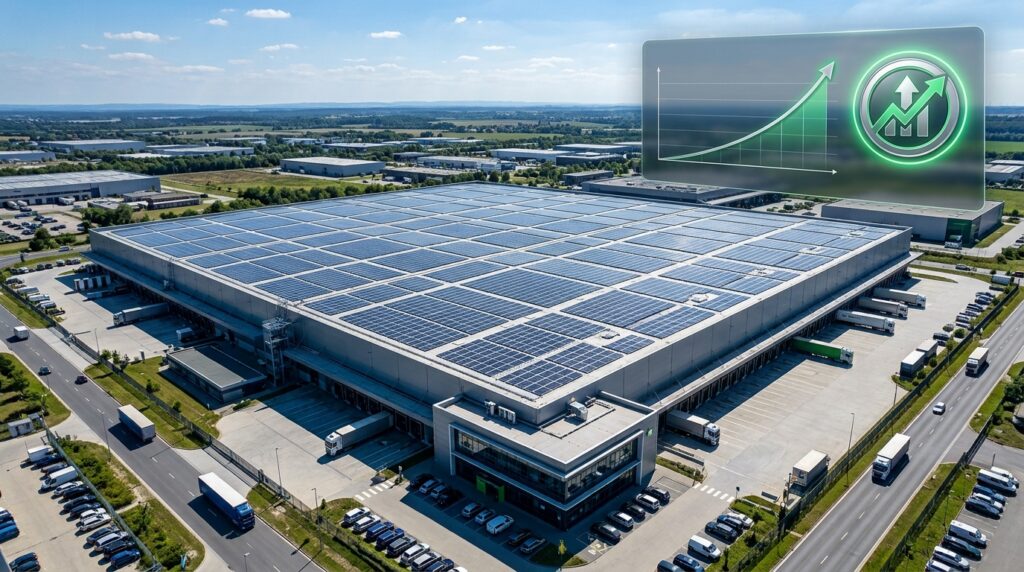
For this example, consider a medium-sized commercial warehouse looking to reduce its electricity expenses and make better use of its available rooftop space. The facility operates primarily during daylight hours, making it a strong candidate for a rooftop solar system that can offset a portion of its electricity consumption directly.
The business works with a solar installation partner to evaluate its energy usage, inspect the roof, review utility costs, and design a system that matches its operational needs.
Example Warehouse Project Details
| Project Category | Illustrative Example |
|---|---|
| Property Type | Commercial warehouse facility |
| Available Roof Space | Large flat rooftop area |
| Solar System Size | 250 kW rooftop solar array |
| Annual Solar Production | Approximately 325,000 kWh per year |
| Primary Goal | Reduce electricity expenses and improve energy planning |
| Project Type | Illustrative commercial solar example |
A commercial warehouse solar project is typically designed around the facility’s electricity consumption profile. Because warehouses often use lighting, refrigeration, machinery, charging equipment, and climate control systems during business hours, solar energy generated during the day can directly support daily operations.
System Design: Building a Solar Solution for Commercial Needs
A successful commercial solar installation starts with proper system design. The goal is not simply to install as many panels as possible but to create a balanced system that fits the building, energy requirements, and financial objectives.
Key Design Considerations
- Roof assessment: Engineers evaluate roof age, structural capacity, available space, and potential shading issues.
- Energy analysis: Historical electricity bills help determine how much energy the solar system should offset.
- Panel placement: Solar modules are arranged to maximize production while maintaining safe access and service areas.
- Inverter selection: Commercial-grade inverters convert solar energy into usable electricity for the facility.
- Monitoring systems: Performance monitoring allows businesses to track production and identify issues.
In this hypothetical example, the warehouse receives a 250 kW rooftop solar system designed to generate a significant portion of its annual electricity needs. The exact amount of energy offset would depend on the facility’s usage patterns and local utility policies.
Commercial Solar Cost and Savings Breakdown
The financial side of a commercial solar project depends on many factors, including equipment pricing, installation complexity, available incentives, financing method, and electricity rates. The following table shows an example financial scenario using rounded figures.
| Financial Item | Illustrative Example Amount |
|---|---|
| Estimated System Cost Before Incentives | $500,000 |
| Example Incentives and Tax Benefits | $150,000 |
| Estimated Net Project Cost | $350,000 |
| Estimated Annual Electricity Savings | $45,000 per year |
| Illustrative Simple Payback Period | About 8 years |
| Expected Solar System Life | 25+ years with proper maintenance |
The payback period represents the estimated time required for energy savings to equal the initial investment. In this example, the warehouse reaches its simple payback point after several years, followed by additional years of potential energy savings.
Businesses should also consider that solar can provide value beyond direct electricity savings. Predictable energy costs, improved sustainability reporting, and potential protection against future utility price increases can all influence the overall value of a commercial solar investment.
Understanding the Path to Solar Payback
The path to payback is not only about the final calculation. It involves planning, installation, system operation, and long-term performance management.
Factors That Can Influence Payback Time
- Electricity rates: Higher electricity costs can increase the value of solar energy production.
- Solar exposure: Buildings with strong sunlight availability may produce more electricity.
- System size: The right system size helps balance investment costs and energy savings.
- Available incentives: Federal, state, and local programs may affect project economics.
- Energy consumption: Facilities using more electricity during solar production hours may see greater direct benefits.
Commercial Solar Installation Timeline Example
Commercial solar projects involve multiple stages, from initial planning through final activation. The timeline can vary based on permitting requirements, utility approval processes, equipment availability, and project complexity.
| Project Stage | Illustrative Timeline | Typical Activities |
|---|---|---|
| Initial Consultation | 1-2 weeks | Review goals, electricity usage, and site information |
| Site Assessment and Design | 2-6 weeks | Roof evaluation, system design, and engineering review |
| Permitting and Approvals | 1-3 months | Submit plans and receive required approvals |
| Installation | Several weeks | Install mounting equipment, panels, wiring, and inverters |
| Inspection and Activation | 1-4 weeks | Complete inspections and connect the system |
A professional solar installer helps coordinate each stage to reduce delays and ensure the system is installed safely and according to applicable requirements.
Key Takeaways From This Commercial Warehouse Solar Example
- Large commercial rooftops can provide valuable space for solar energy generation.
- A properly designed system can help reduce long-term electricity expenses.
- Payback depends on project-specific factors, including costs, incentives, and energy usage.
- Commercial solar requires careful planning, engineering, permitting, and installation.
- Energy savings are only one part of the overall value businesses may receive from solar.
For warehouse owners and commercial property managers, solar can be a strategic investment when evaluated carefully. A detailed site assessment and customized financial analysis are important steps before moving forward with any installation.
Frequently Asked Questions About Commercial Warehouse Solar
1. How much can a commercial warehouse save with solar?
Commercial solar savings vary based on system size, electricity rates, location, energy usage, and available incentives. A warehouse with high daytime electricity consumption may be able to offset a meaningful portion of its electricity expenses, but actual savings require a project-specific analysis.
2. How long does a commercial solar system take to pay for itself?
The payback period depends on installation costs, energy production, utility rates, incentives, and financing structure. Some projects may reach payback sooner, while others may require a longer period. A solar professional can estimate payback using the facility’s actual data.
3. Can warehouses install solar panels on flat roofs?
Yes, many commercial warehouses have flat roofs that can support solar installations. However, engineers must evaluate roof condition, structural capacity, drainage requirements, and equipment placement before installation.
4. Does Rumos Chem provide commercial solar installation services?
Rumos Chem works with residential and commercial customers to evaluate solar opportunities and develop solutions based on project needs. Businesses can request a solar quote to discuss their facility, energy goals, and potential system options.
Conclusion: Explore Your Commercial Solar Opportunity
This illustrative warehouse solar case study shows how a commercial property can evaluate solar as a long-term energy investment. While every project has different costs, savings, and timelines, the right system design can help businesses better understand their energy options.
If your business is considering solar for a warehouse, office, or commercial facility, contact Rumos Chem to request a free solar quote. A customized evaluation can help you understand your potential system size, estimated savings, and the path toward energy independence.