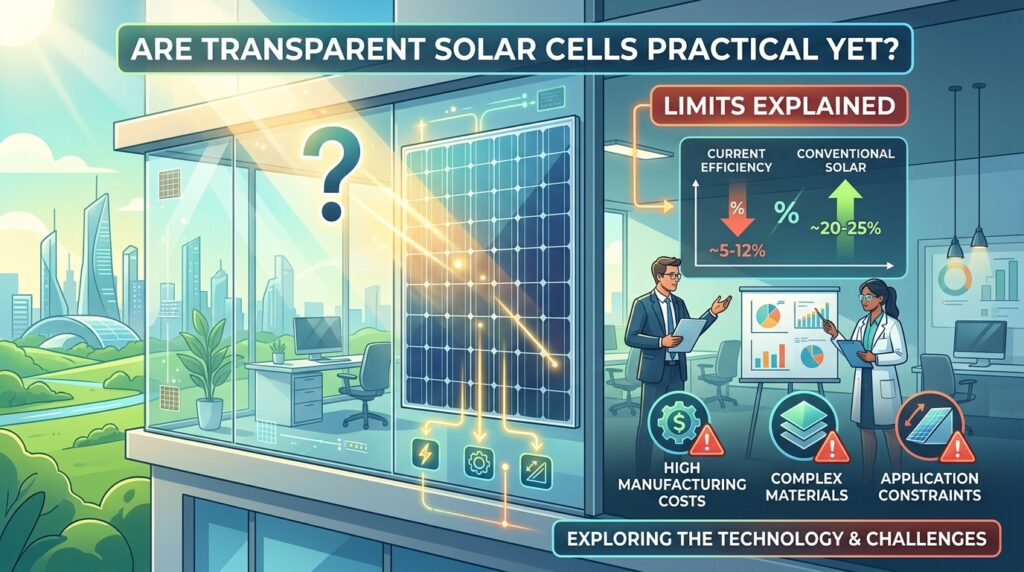
Are Transparent Solar Cells Practical Yet? Limits Explained
Transparent solar cells sound like something from the future: windows, skylights, and glass surfaces that let sunlight through while also producing electricity. Researchers have been developing transparent photovoltaic (PV) technologies that could expand where solar energy can be installed, especially in buildings where traditional rooftop panels are not possible. However, while transparent solar cells are an exciting area of innovation, they are not yet a common replacement for standard residential solar panels. :contentReference[oaicite:0]{index=0}
For homeowners in St. Louis, Missouri, the practical solar question is usually not whether transparent solar technology exists, but whether it can currently deliver reliable energy savings compared with proven rooftop solar systems. Understanding the benefits and limitations of transparent solar cells can help homeowners make informed decisions about today’s solar options and future technologies.
What Are Transparent Solar Cells?
Transparent solar cells are photovoltaic devices designed to generate electricity while allowing some visible light to pass through. Unlike conventional solar panels, which use dark, opaque solar cells to capture as much sunlight as possible, transparent solar technologies attempt to balance two competing goals: producing electricity and maintaining visibility.
Some designs work by absorbing parts of sunlight that humans cannot see, such as ultraviolet or infrared wavelengths, while allowing visible light to pass through. Other approaches use partially transparent materials, thin films, or carefully spaced solar elements to create a see-through appearance. :contentReference[oaicite:1]{index=1}
Are Transparent Solar Cells Available for Homes Today?
The short answer is: not in the same way that conventional solar panels are available. Transparent solar cells remain an emerging technology, with many applications still focused on research, demonstrations, and specialized building-integrated photovoltaic (BIPV) projects.
Traditional crystalline silicon solar panels remain the dominant residential solar technology because they offer mature manufacturing, established warranties, predictable performance, and a large installation base. Transparent solar products face additional engineering challenges because they must perform both as a window material and as an electricity generator.
| Solar Technology | Main Advantage | Main Challenge |
|---|---|---|
| Traditional rooftop solar panels | High energy production with proven installation methods | Requires suitable roof or ground space |
| Semi-transparent solar cells | Can combine daylight access with power generation | Must balance transparency and electricity output |
| Fully transparent solar cells | Could turn glass surfaces into energy-producing areas | Still developing efficiency, durability, and manufacturing methods |
Why Is Making Solar Cells Transparent Difficult?
The Transparency vs. Efficiency Trade-Off
The biggest challenge is that solar cells need to absorb sunlight to create electricity. When more sunlight passes through a material, less energy is available for conversion into electricity.
A standard solar panel is designed to capture a large portion of available sunlight. A transparent solar window must intentionally allow some sunlight to escape, which reduces the amount of energy that can be harvested. Researchers continue working on designs that selectively absorb certain wavelengths while maintaining a clear appearance. :contentReference[oaicite:2]{index=2}
Manufacturing Challenges
Creating transparent solar materials in small laboratory samples is different from producing large, durable products for homes and commercial buildings. Manufacturers must solve challenges involving:
- Large-area production methods
- Long-term outdoor durability
- Weather resistance
- Consistent electrical performance
- Affordable manufacturing
These challenges are common in emerging photovoltaic technologies, especially those intended for building windows and architectural surfaces. :contentReference[oaicite:3]{index=3}
Potential Uses for Transparent Solar Technology
Although transparent solar cells are not yet a mainstream residential solution, they could eventually create new opportunities for solar generation.
| Possible Application | How It Could Help |
|---|---|
| Solar windows | Generate electricity from building glass while allowing natural light indoors |
| Glass facades | Add solar generation to commercial buildings with large window areas |
| Skylights | Provide daylight while producing supplemental electricity |
| Vehicle glass applications | Explore additional solar generation surfaces beyond rooftops |
What Should St. Louis Homeowners Consider Instead?
For homeowners interested in solar today, conventional rooftop solar remains the practical choice in most situations. A properly designed residential solar system can use available roof space to generate electricity with technology that has already been tested through years of installations.
Factors that typically matter more than waiting for transparent solar include:
- Roof orientation and available sunlight
- Roof condition and remaining lifespan
- Household electricity usage
- Local utility rules and available incentives
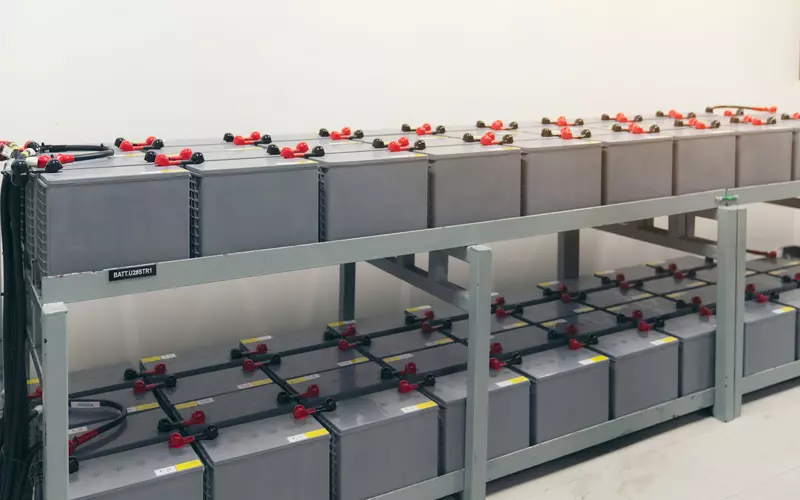
- Whether battery storage is a priority
Transparent solar may become more common in the future, especially as researchers improve materials, efficiency, and manufacturing processes. However, homeowners looking for energy savings today generally benefit from evaluating currently available solar panel systems rather than waiting for a developing technology.
Could Transparent Solar Cells Replace Roof Panels?
It is unlikely that transparent solar windows will completely replace traditional solar panels in every situation. Instead, they may become a complementary technology that adds solar generation to surfaces that are currently unused.
For example, a future building could potentially combine rooftop solar panels with energy-generating windows. Rooftop panels could provide higher electricity production, while transparent solar materials could add generation from additional surfaces.
Frequently Asked Questions About Transparent Solar Cells
Are transparent solar panels available for residential homes?
Some transparent and semi-transparent photovoltaic products exist, but they are not currently a standard residential solar option comparable to traditional rooftop solar panels. Many technologies are still being developed and evaluated for practical large-scale use.
Do transparent solar cells produce as much electricity as regular solar panels?
Generally, increasing transparency reduces the amount of sunlight available for electricity production. Researchers are working to improve the balance between visibility and energy generation, but traditional solar panels remain more optimized for electricity output.
Will transparent solar windows become common in the future?
They may become more common as technology improves. Potential applications include commercial buildings, specialized architectural projects, and some residential designs. However, timing and widespread adoption depend on improvements in cost, durability, and performance.
Should homeowners wait for transparent solar before installing solar panels?
For most homeowners interested in reducing electricity costs, waiting may not be necessary. Current solar panels are a mature technology with established installation practices. Transparent solar remains a promising future option rather than a replacement available for typical home installations today.
The Future of Transparent Solar Technology
Transparent solar cells represent an exciting direction for the renewable energy industry. By turning windows and other surfaces into potential power sources, they could expand the number of places where solar energy can be generated.
However, practical solar decisions should be based on technologies that are currently reliable, cost-effective, and suitable for a home’s specific conditions. For St. Louis homeowners, evaluating existing solar options remains the best way to understand what energy improvements are possible today while keeping an eye on future innovations like transparent photovoltaics.