Case Study Example: Rural Home With Solar and Battery for Frequent Outages
Important note: This is an illustrative case study example created to explain how a rural homeowner might approach solar and battery backup planning. It is not based on an actual Rumos Chem customer installation, and the system details, energy usage, and outcomes described below are examples only. Every home requires a custom evaluation based on location, electricity usage, property conditions, and backup goals.
For rural homeowners in Missouri, power outages can create unique challenges. Longer utility restoration times, weather-related disruptions, and limited access to nearby services can make reliable backup power an important consideration. A properly designed residential solar and battery system can help provide energy resilience while also reducing reliance on traditional electricity sources.
Rumos Chem provides residential solar information and installation services designed around homeowners’ energy needs, including solar systems that can be paired with battery storage options. :contentReference[oaicite:0]{index=0} This example explores the planning process behind a hypothetical rural solar and battery project.
The Scenario: A Rural Missouri Home Facing Frequent Outages
Imagine a rural home located outside a small Missouri community. The property has a detached garage, a well pump, electric appliances, and a homeowner who works from home. The area experiences occasional outages caused by severe storms, high winds, and utility equipment issues.
The homeowner’s primary goals are:
- Keep essential appliances running during outages.
- Reduce dependence on grid electricity.
- Use solar energy during normal operation.
- Create a more predictable energy plan for the future.
Rather than simply installing as many solar panels as possible, the project begins by identifying which loads are most important during an outage and designing the system around those priorities.
Step 1: Evaluating the Home’s Energy Needs
A solar and battery system starts with understanding electricity consumption. Rural properties often have different energy profiles than suburban homes because they may include additional equipment such as well pumps, workshops, agricultural tools, or larger outbuildings.
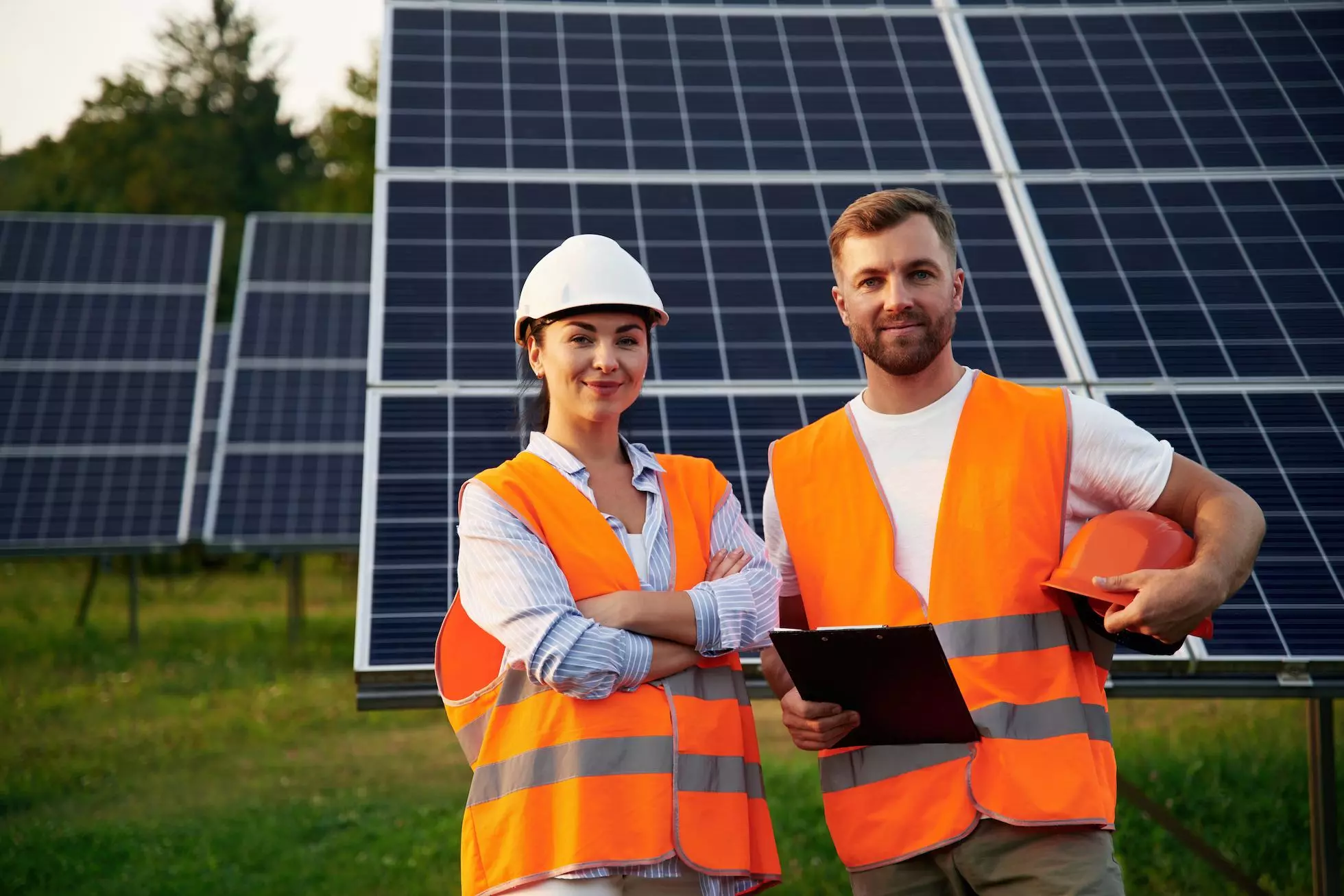
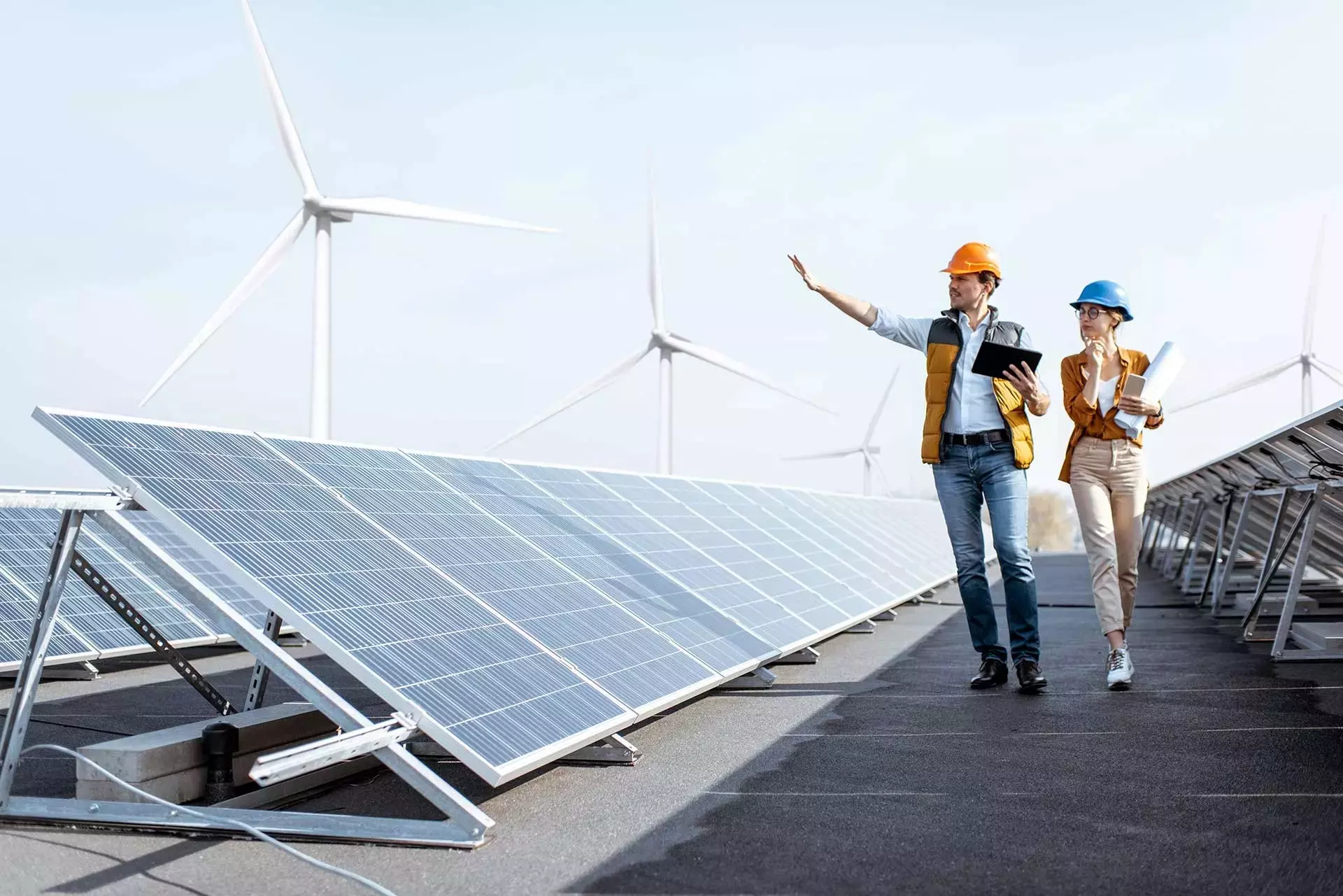
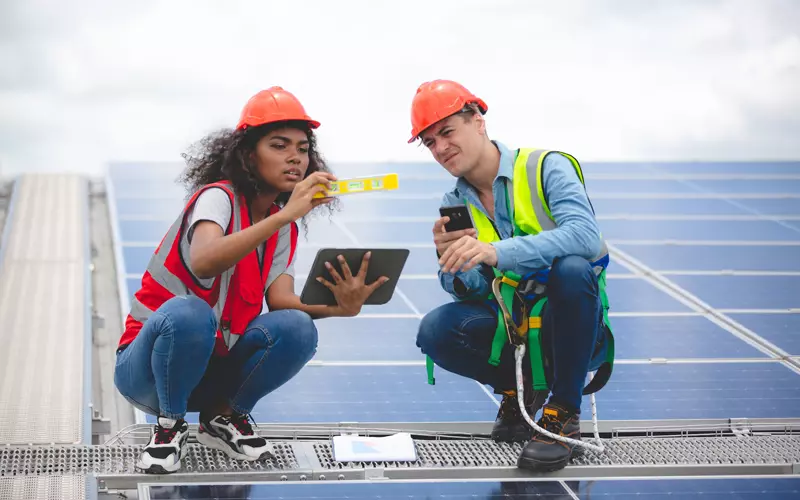
The homeowner would review electricity bills, appliance usage, and outage concerns. A solar installer may also perform a site assessment to evaluate roof space, shading, electrical equipment, and possible battery locations.
| Home Consideration | Why It Matters |
|---|---|
| Average electricity usage | Helps determine appropriate solar array size and expected energy production. |
| Critical appliances | Determines how much battery capacity may be needed during outages. |
| Roof condition and orientation | Affects panel placement, production, and installation planning. |
| Electrical panel capacity | Ensures the existing electrical system can support the planned equipment. |
Designing a Solar and Battery Backup System
A common misconception is that solar panels automatically provide electricity during a blackout. In most grid-connected systems, solar inverters shut down when the utility grid fails for safety reasons. This prevents electricity from being sent back into power lines while utility workers are making repairs.
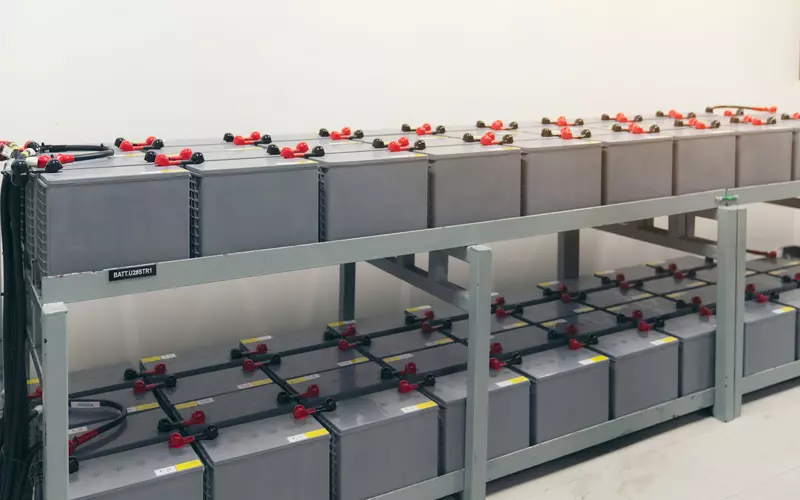
To provide backup power, a home typically needs a battery storage system combined with equipment that can safely separate the home from the grid during an outage.
Example System Goals
For this hypothetical rural home, the system design might focus on essential loads rather than powering every appliance indefinitely. The homeowner may choose to back up:
- Refrigerator and freezer.
- Internet equipment.
- Lighting circuits.
- Heating or cooling controls, depending on system capacity.
- Well pump, if the electrical requirements are compatible.
- Medical or security equipment, when applicable.
| System Component | Purpose |
|---|---|
| Solar panels | Generate electricity from sunlight to offset grid usage. |
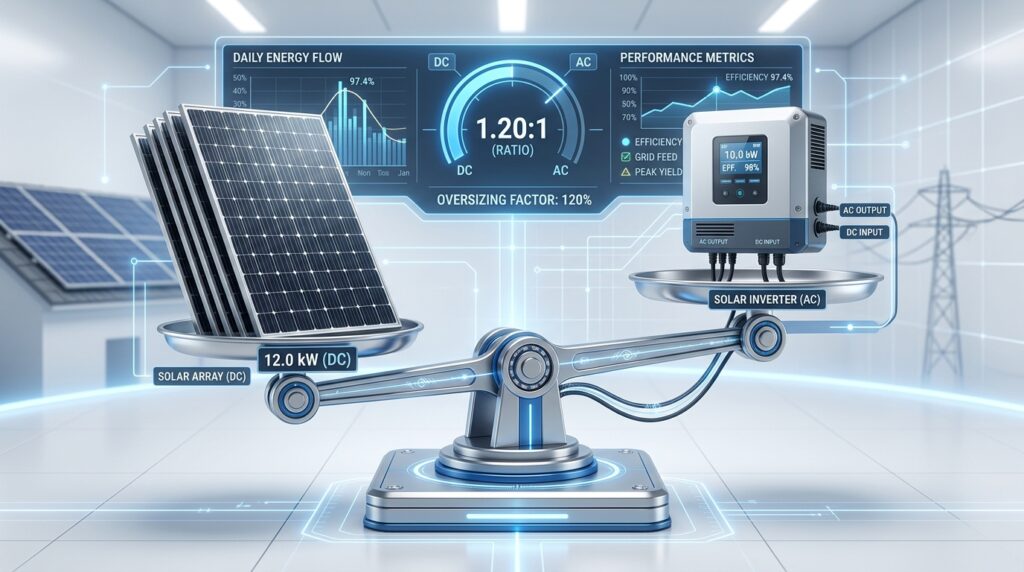
| Solar inverter | Converts solar electricity into usable household power. |
| Battery storage | Stores energy for use when solar production is unavailable or during outages. |
| Backup gateway or transfer equipment | Manages safe switching between grid power and backup operation. |
Why Battery Storage Matters for Rural Homes
Solar panels can produce electricity during daylight hours, but outages can happen at any time. Battery storage allows homeowners to save energy and use it later, including overnight or when sunlight is unavailable.
For a rural homeowner, battery capacity decisions should be based on realistic expectations. A battery designed for emergency backup is usually intended to support selected loads, not necessarily operate an entire home without limits.
Important questions include:
- How many hours or days of backup does the homeowner want?
- Which appliances are essential?
- Are large electrical loads such as electric heating, water heating, or electric vehicle charging included?
- Can the homeowner adjust energy use during an extended outage?
Challenges to Consider in a Rural Solar Installation
Weather and Shading Conditions
Rural properties often have more open land, but they may also have mature trees, barns, or other structures that affect sunlight exposure. A solar assessment helps identify the best panel location.
Distance From Utility Equipment
Some rural homes have longer electrical service runs or unique utility configurations. These factors may influence installation planning and electrical requirements.
Outage Expectations
A battery system should be sized around the homeowner’s actual needs. Someone who wants short emergency coverage for critical devices will have different requirements than someone seeking extended backup capability.
Potential Benefits of a Solar Plus Battery Approach
Although every installation has different results, a well-designed system can offer several practical advantages:
- Backup capability: Helps maintain operation of selected household systems during outages.
- Energy management: Allows homeowners to use stored energy strategically.
- Solar production: Generates renewable electricity during normal grid operation.
- Greater awareness: Monitoring tools can help homeowners understand their energy habits.
Lessons From This Example Case Study
The most important lesson from a rural solar and battery project is that system design should begin with the homeowner’s priorities. A larger system is not always the right solution if it does not match the home’s energy needs or budget.
A successful project typically includes:
- A detailed review of electricity usage.
- A clear list of backup priorities.
- A professional evaluation of the property.
- Proper equipment selection and installation planning.
- Realistic expectations about backup duration.
Frequently Asked Questions About Rural Solar and Battery Backup
Can solar panels keep a home running during a power outage?
Solar panels alone usually do not provide backup power during a grid outage. A compatible battery storage system and appropriate backup equipment are typically required for outage operation.
How long can a home battery provide power?
The backup duration depends on battery capacity, household energy use, and which appliances are running. A home using only essential loads will generally have different backup needs than a home trying to operate all electrical equipment.
Is battery storage useful if outages are only occasional?
Battery storage can still provide value by offering backup capability and helping homeowners manage energy use. Whether it makes sense depends on the homeowner’s goals, electricity rates, and priorities.
Can a rural home use solar if it is not located in a city?
Yes. Rural homes can often use solar successfully if the property has suitable sunlight exposure, electrical access, and an appropriate system design.
How should homeowners begin planning a solar battery system?
The first step is usually a home energy assessment. A qualified solar installer can review electricity usage, site conditions, and backup goals to help create a suitable design.
Final Thoughts
This rural home example shows how solar and battery storage can be planned around real homeowner needs. The best systems are not simply the largest—they are the ones designed to provide practical value, reliable backup, and efficient energy use.
For Missouri homeowners considering solar, understanding electricity usage, outage concerns, and battery expectations is an important first step toward making an informed decision.