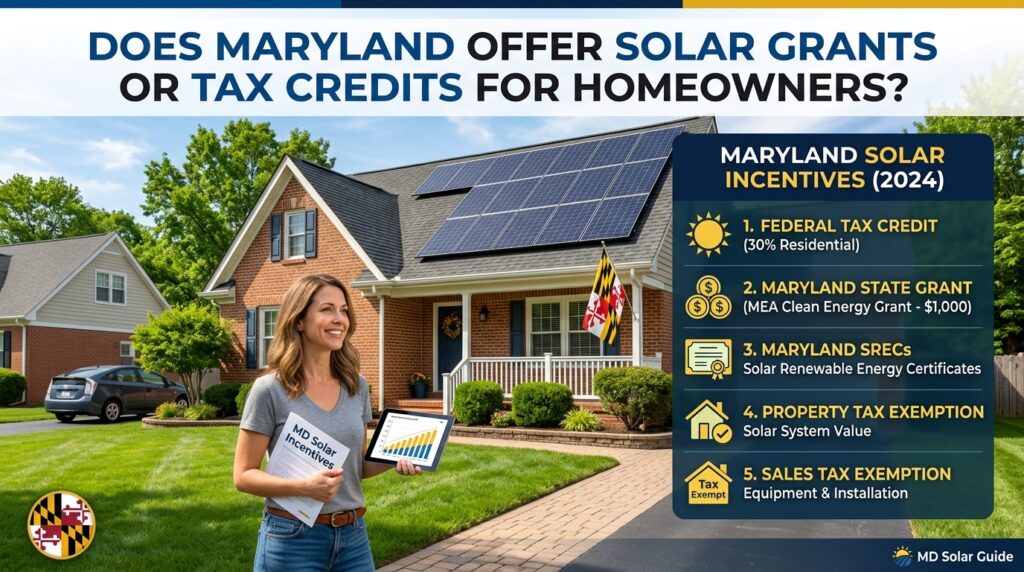
Transitioning to solar energy is one of the most effective strategies for homeowners looking to reduce long-term utility expenses, improve energy independence, and support regional sustainability goals. For property owners evaluating residential solar installations, understanding available state, federal, and local financial mechanisms is a critical step in project planning. Maryland has long maintained a proactive stance toward clean energy adoption through statutory clean energy targets, state-level incentive programs, and utility-managed clean energy initiatives.
However, navigating state grants, federal tax credits, and utility solar renewable energy certificate (SREC) markets can raise practical questions. Homeowners often wonder which incentives exist, how they interact, and what steps are necessary to ensure proper application. At Rumos Chem, while our primary focus is delivering high-quality residential solar information and professional installations in St. Louis, Missouri, we emphasize educated decision-making across all regions. This comprehensive guide outlines the structure of Maryland solar grants, tax credit concepts, utility options, and key compliance guidelines.
Understanding the Maryland Solar Incentive Landscape
Maryland’s clean energy policy framework incorporates multiple layers of financial mechanisms designed to offset the upfront capital expenditure of residential solar PV systems. These mechanisms generally fall into three primary categories: federal income tax incentives, state-level grant initiatives, and market-based renewable energy certificate programs.
Because energy policy and state budget allocations evolve through legislative sessions, available funding pools, program guidelines, and qualification standards are subject to periodic updates. Homeowners considering a solar installation must recognize that incentive structures are governed by specific regulatory frameworks, and program details should always be verified directly through official program administrators prior to contracting.
Federal vs. State Incentives: Key Differences
Distinguishing between federal tax provisions and state-specific programs is essential for accurate project budgeting and tax planning. Federal incentives primarily operate through tax credits applied against federal income tax liabilities, whereas state and local options may offer direct grant awards, property tax exemptions, or performance-based certificate trading.
Maryland Homeowner Solar Grants and State Initiatives
The primary state agency responsible for administering clean energy funding in Maryland is the Maryland Energy Administration (MEA). Through programs such as the Residential Clean Energy Grant Program, the state offers direct financial assistance to eligible residential property owners who install qualifying solar photovoltaic systems.
Grant awards under state programs are typically tied to system capacity ratings and specific equipment standards. Key factors governing state grant availability include:
-
Funding Availability: Grants are distributed on a first-come, first-served basis per fiscal year. Once designated funding reserves are exhausted, programs may pause or close until new legislative appropriations take effect.
-
Contractor Licensing: Work must typically be performed by licensed solar contractors holding appropriate state trade certifications and permits.
-
System Certification: Installed solar modules, inverters, and racking hardware must meet recognized safety and performance standards, such as UL certifications or Clean Energy States Alliance guidelines.
Tax Credit Concepts for Residential Solar Systems
Tax credits play a central role in residential solar economics. It is important to differentiate between a tax credit and a tax deduction. A tax credit provides a dollar-for-dollar reduction in the actual income tax owed, whereas a tax deduction merely reduces total taxable income.
At the federal level, the Residential Clean Energy Credit allows qualifying homeowners to claim a percentage of their total system installation costs—including hardware, labor, wiring, and permitting fees—on their annual tax return. To take full advantage of tax credits, homeowners must have sufficient tax liability. Because tax laws are nuanced and subject to individual financial circumstances, property owners should consult a certified public accountant (CPA) or tax professional rather than relying solely on installer estimates.
Utility Programs, Net Metering, and SREC Markets
Beyond grants and tax credits, Maryland homeowners interact with electric utilities through net energy metering and performance tracking. Major utilities operating in Maryland offer net metering structures that credit solar owners for excess electricity fed back into the regional grid.
Under Maryland’s Renewable Portfolio Standard (RPS), electricity providers must source a percentage of their supply from solar energy. This requirement creates a market for Solar Renewable Energy Certificates (SRECs). For every megawatt-hour of electricity a residential system generates, the system owner earns one SREC, which can be sold or traded in the state SREC marketplace.
Eligibility Requirements and Application Timing
Accessing grants, credits, and utility credits requires strict adherence to administrative procedures and timelines. Missing a filing deadline or installing non-compliant equipment can result in the forfeiture of available incentives.
General eligibility parameters usually require:
-
Proof of residential property ownership in Maryland.
-
Completion of structural and electrical building permits with local municipality inspectors.
-
Formal interconnection agreement execution with the electric utility prior to system activation.
-
Submission of completed grant applications within specified timeframe windows following system commissioning.
Timing is crucial. Certain state grant programs require pre-approval prior to system installation, while others accept applications after the system is fully operational and inspected. Homeowners should establish a clear project timeline with their installer before signing procurement contracts.
Stacking Incentives, Documentation, and Cautions
Combining—or “stacking”—multiple incentives is permissible under most Maryland clean energy guidelines, provided rules governing double-dipping are respected. For example, claiming a state grant does not automatically disqualify a homeowner from claiming federal tax credits, though the grant amount may affect the total basis used to calculate federal tax credits.
To preserve incentive eligibility, homeowners should maintain detailed records throughout the installation process:
-
Executed installation contracts detailing itemized equipment costs and labor charges.
-
Copies of municipal building and electrical permits.
-
Official utility interconnection approvals and Permission to Operate (PTO) documentation.
-
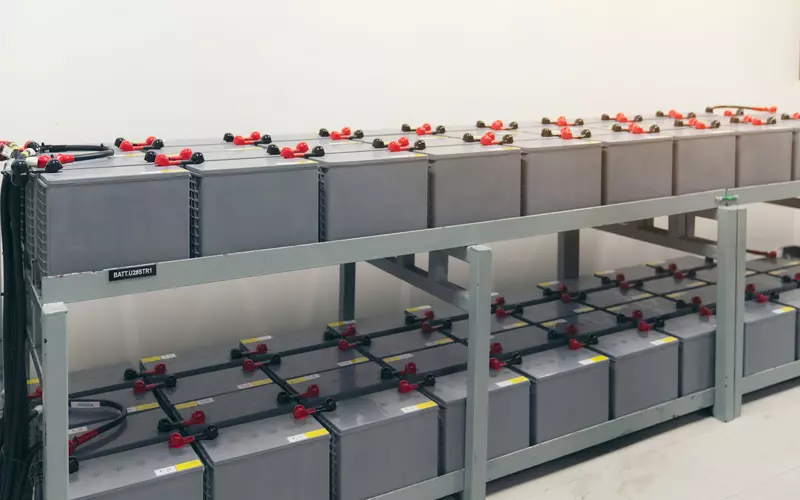
Manufacturer specification sheets for installed panels, inverters, and battery storage units.
-
Proof of payment, including cancelled checks, paid invoices, or financing agreements.
Important Caution: Solar incentives, state grant funding levels, tax codes, and utility regulations change over time. Program funding can become fully subscribed, and legislative adjustments can alter program terms without long-term notice. Homeowners must verify current rules, eligibility criteria, funding availability, and filing procedures directly with official government agencies, utilities, and qualified tax advisers.
Practical Solar Planning Tips for Homeowners
Whether evaluating solar options in Maryland or reviewing residential solar feasibility in St. Louis, Missouri with Rumos Chem, thorough planning ensures optimal long-term system performance and return on investment. Consider these best practices:
-
Obtain Multiple Quotes: Request detailed proposals from reputable, fully insured, and licensed solar contractors.
-
Analyze Roof Condition: Assess roof age, orientation, shading, and structural integrity before mounting hardware. Structural repairs should be completed prior to solar installation.
-
Review Utility Bills: Evaluate 12 months of historical kilowatt-hour usage to size the photovoltaic system accurately based on real consumption patterns.
-
Verify Official Sources: Do not rely on generalized online quotes or verbal assurances regarding tax savings or grant amounts. Consult official MEA and IRS publications.
Frequently Asked Questions (FAQ)
Does Maryland offer direct solar grants to all homeowners?
Maryland offers grant programs through the Maryland Energy Administration, such as the Residential Clean Energy Grant Program. However, grant availability depends on annual state budget allocations, system qualifications, contractor requirements, and available funding at the time of application. Grants are not automatically guaranteed for every property owner.
Can state solar grants be combined with federal tax credits?
In many instances, homeowners can take advantage of both state-level grants and federal clean energy tax credits. However, receiving a state grant may adjust the system’s total cost basis when calculating federal tax liability. Homeowners should consult a CPA to determine precise reporting requirements.
How do Solar Renewable Energy Certificates (SRECs) work in Maryland?
Maryland operates an SREC market driven by the state’s Renewable Portfolio Standard. Residential solar system owners earn one SREC for every megawatt-hour of electricity produced. These certificates can be sold through aggregators or brokers to energy suppliers needing compliance credits.
When should I apply for Maryland solar incentives?
Application timing depends on the specific program. Some state grants require application submittal or pre-approval prior to physical construction, while utility net metering and SREC registration occur during or after system interconnection. Reviewing timelines with your contractor before starting work is critical.
Where should I verify current Maryland solar grant rules and funding availability?
Current rules, application portals, and funding statuses should always be verified through official agency sources, including the Maryland Energy Administration (MEA), the Maryland Public Service Commission (PSC), the Internal Revenue Service (IRS), and your local electric distribution utility.