Do You Need a Permit to Install Solar Panels in St. Louis?
Installing solar panels on your St. Louis home can be an excellent way to generate renewable electricity, reduce reliance on traditional energy sources, and make your property more energy efficient. However, before solar panels are installed, homeowners often have questions about permits, approvals, inspections, and utility requirements.
In most cases, a residential solar installation involves more than simply attaching panels to a roof and connecting equipment. Solar projects typically require review by local authorities to confirm that the system meets applicable building, electrical, and safety requirements. The exact permits needed depend on your property location, the type of solar system, and the rules of the authority having jurisdiction over your home.
For homeowners in the St. Louis area, understanding the permitting process can help prevent delays and ensure that a solar installation is completed correctly.
Are Permits Required for Solar Panels in St. Louis?
Yes, many solar panel installations in the St. Louis area require permits before construction begins. A solar project usually involves both structural and electrical work, which means local permitting departments may need to review the plans before installation.
The requirements can vary depending on whether a property is located within the City of St. Louis, St. Louis County, or another municipality. For example, the City of St. Louis identifies solar panel installations as projects requiring building permits, and electrical work associated with connecting the system requires appropriate electrical permitting. :contentReference[oaicite:0]{index=0}
St. Louis County also provides solar panel permitting guidance and notes that homeowners should consider requirements from other agencies with oversight, such as municipalities, fire protection districts, and subdivision organizations when applicable. :contentReference[oaicite:1]{index=1}
Why Do Solar Permits Matter?
Permits are not just paperwork. They are designed to protect homeowners, installers, utility workers, and future property owners by ensuring that solar equipment is installed safely.
1. Safety Review
Solar panels connect to a home’s electrical system and can involve equipment such as inverters, disconnects, wiring, and sometimes battery storage. Electrical permitting helps confirm that these components are installed according to applicable safety standards.
2. Structural Protection
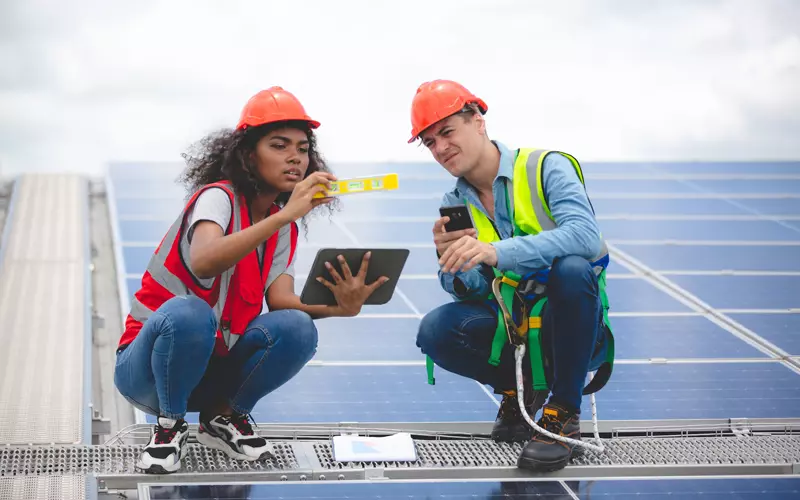
Roof-mounted solar panels add equipment to the structure of a home. A permit review may involve checking mounting methods, roof attachment details, and other design information to help ensure the installation is appropriate for the building.
3. Future Home Value and Documentation
Having properly approved solar work creates a record that the installation followed required procedures. This documentation can be useful when selling a home, refinancing, or making future property improvements.
Which Authorities Are Involved in a St. Louis Solar Installation?
A residential solar project may involve several organizations. Each one has a different role in the process.
| Organization | Typical Role |
|---|---|
| Local building department | Reviews building, structural, and safety requirements and issues applicable permits. |
| Electrical permitting authority | Reviews electrical components, wiring, and connections to the home’s electrical system. |
| Utility company | Reviews interconnection requirements before a grid-connected solar system operates with the electric grid. |
| Homeowners association or subdivision authority | May have additional rules affecting appearance, placement, or approval requirements. |
Local authorities focus on construction and safety requirements, while utilities generally focus on safely connecting the solar system to the electrical grid. Homeowners should confirm the requirements that apply to their specific address and project design.
What Permits or Documents Might Be Needed?
The exact paperwork depends on the project, but many residential solar installations involve some combination of the following documents:
| Document or Approval | Purpose |
|---|---|
| Building permit | Allows local officials to review structural and construction aspects of the solar installation. |
| Electrical permit | Covers electrical work, equipment connections, and system wiring. |
| Solar system plans | Shows equipment locations, layout, and installation details. |
| Electrical diagrams | Illustrates how solar equipment connects with the home’s electrical system. |
| Utility interconnection application | Requests approval to connect the solar system to the electric grid. |
The City of St. Louis building permit process may require project plans and property information as part of an application. :contentReference[oaicite:2]{index=2}
Will a Solar Installation Need an Inspection?
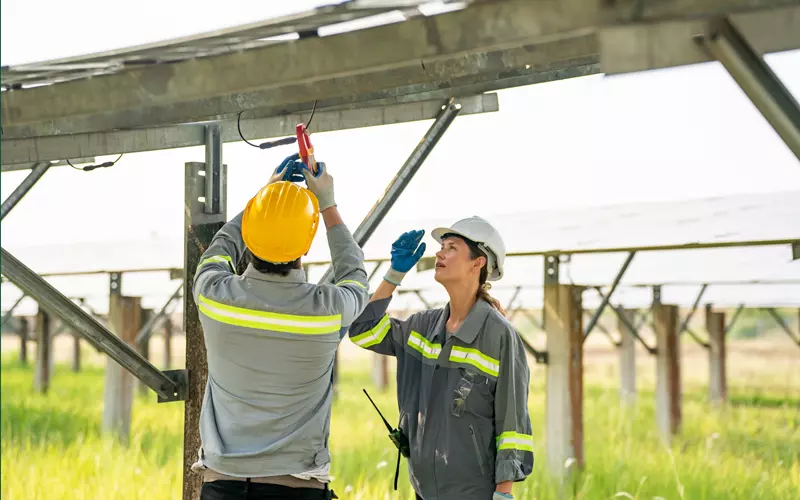
Many permitted solar projects include inspections after installation. The purpose of an inspection is to verify that the completed work matches approved plans and meets applicable safety requirements.
Possible inspections may include:
- Structural inspection: Reviews mounting methods and installation details related to the building.
- Electrical inspection: Reviews wiring, equipment connections, and electrical safety.
- Final approval inspection: Confirms that required work has been completed correctly.
Inspection procedures vary by jurisdiction. Some projects may require multiple reviews depending on the complexity of the installation, whether battery storage is included, or whether additional electrical upgrades are needed.
Does the Utility Company Issue Solar Permits?
Utility companies generally do not issue local construction permits. Instead, they typically manage the interconnection process for grid-connected solar systems.
The utility approval process helps confirm that a solar installation can safely operate alongside the existing electrical grid. This process may involve submitting system details, receiving approval before activation, and following utility-specific requirements.
A homeowner should complete both local permitting requirements and utility interconnection steps before turning on a grid-connected solar system.
What Happens If You Install Solar Without Required Permits?
Installing solar panels without required approvals can create problems later. Potential issues may include:
- Delays when trying to complete utility interconnection.
- Problems during a home sale or inspection.
- Requests to correct or document unapproved work.
- Difficulty confirming that the installation meets local requirements.
Working through the proper permitting process helps create a clear record that the solar system was installed according to applicable rules.
How Can St. Louis Homeowners Prepare for the Solar Permit Process?
Before starting a solar project, homeowners can make the process smoother by:
- Confirming the exact permitting authority for their property.
- Reviewing local building and electrical requirements.
- Asking their solar installer which permits will be handled.
- Keeping copies of approved plans, permits, and inspection records.
- Checking utility interconnection requirements before installation begins.
Because requirements can change and different properties may fall under different jurisdictions, homeowners should always confirm current rules for their specific address and planned solar system.
FAQ: Solar Permits in St. Louis
Do I need a permit to install solar panels on my St. Louis home?
In many cases, yes. Residential solar installations commonly require building and electrical approvals, but the exact requirements depend on the property’s location and project details.
Who applies for solar permits?
Often, a licensed solar installer or electrical contractor manages the permitting process on behalf of the homeowner. However, responsibilities vary depending on the contractor, local rules, and project agreement.
Does adding a solar battery change the permit requirements?
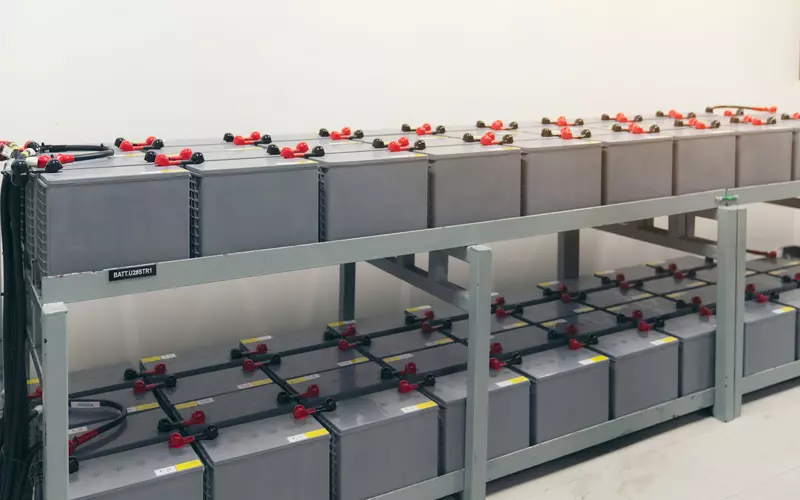
It can. Battery storage systems introduce additional electrical equipment and may require additional review. Homeowners should confirm requirements with their installer and local authorities.
How long does solar permitting take?
The timeline varies based on the local authority, project complexity, application completeness, and review workload. Submitting complete and accurate documents can help avoid unnecessary delays.
Can I install solar panels before receiving approval?
Homeowners should not begin work that requires permits until the appropriate approvals have been obtained. Starting construction early may create compliance issues or delays.
Final Thoughts
Solar permits are an important part of installing a safe and reliable home solar system in St. Louis. While the permitting process may seem like an extra step, it helps ensure that solar equipment, electrical connections, and structural installations meet required safety standards.
If you are considering solar for your St. Louis home, confirm the current requirements for your exact property and project. A qualified residential solar professional can help explain the permits, inspections, and approvals involved so your installation moves forward with fewer surprises.