What Is a Virtual Power Plant and Can Your Home Battery Join One?
Home batteries are becoming a more important part of residential energy systems. Many homeowners think of a battery as a way to store solar energy for nighttime use or provide backup power during outages. However, a connected home battery can sometimes do more than support one household. Through a program called a virtual power plant (VPP), groups of residential batteries can work together to support the electric grid.
For homeowners in St. Louis, Missouri, the idea of joining a virtual power plant raises several practical questions: Is your battery eligible? Who controls the stored energy? Will you be paid? What happens during a power outage? Understanding how these programs work can help you make informed decisions when considering solar and battery storage.
What Is a Virtual Power Plant?
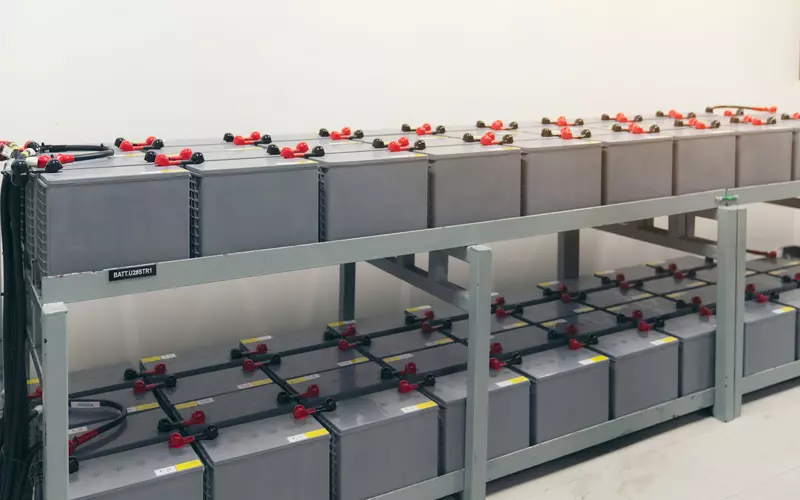
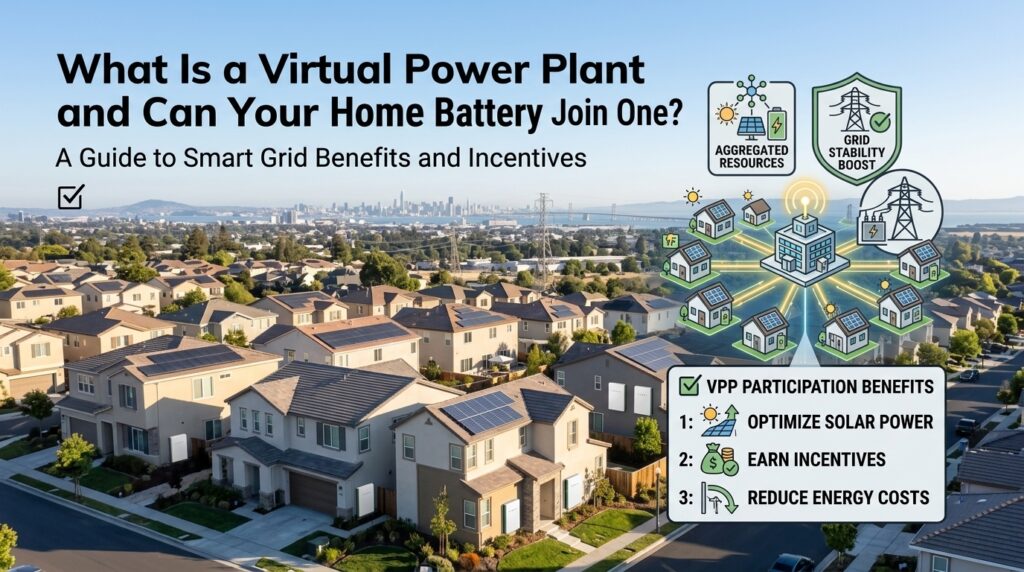
A virtual power plant is a network of distributed energy resources that are coordinated to operate like a larger power plant. Instead of one large facility generating or storing electricity, a VPP combines many smaller resources, such as home batteries, solar-plus-storage systems, electric vehicles, or smart energy devices.
For example, hundreds or thousands of participating homeowners may allow an approved program operator to coordinate their batteries during periods when the electric grid needs additional support. Each individual battery may be small, but together the combined energy capacity can provide useful grid services.
Virtual power plants are generally managed by utilities, energy companies, or third-party aggregators. The exact structure depends on the program, local utility rules, available technology, and customer agreements. :contentReference[oaicite:0]{index=0}
How Does a Home Battery Participate in a VPP?
A typical virtual power plant arrangement involves several steps:
- A homeowner installs an eligible battery system, often paired with solar panels.
- The homeowner enrolls in a utility or aggregator program if one is available.
- The battery system communicates with the program operator through approved software.
- During certain grid conditions, the operator may request energy discharge, charging adjustments, or other battery actions.
- The homeowner receives compensation or other program benefits according to the agreement.
The battery does not become a utility-owned power plant. Instead, it remains a residential energy asset that participates under specific program rules.
| Component | Role in a Virtual Power Plant |
|---|---|
| Home solar panels | Generate electricity that can charge the battery or power the home. |
| Home battery | Stores electricity and may provide energy during approved grid events. |
| Software platform | Coordinates participating systems and manages communication. |
| Utility or aggregator | Creates and operates the program according to approved rules. |
Can a St. Louis Home Battery Join a Virtual Power Plant?
The answer depends on several factors. Not every battery can participate in every program, and availability changes as utilities develop new offerings.
For homeowners in the St. Louis area, eligibility may depend on:
- The electric utility serving your home.
- The battery model and inverter technology installed.
- Whether the system meets program technical requirements.
- Whether a VPP or battery demand-response program is available in your service area.
- Whether you agree to the program’s operating terms.
Missouri has seen interest in battery-based grid programs, including pilot efforts involving utility participation. However, homeowners should verify current program availability and requirements directly with their utility or program provider before assuming a battery will qualify. :contentReference[oaicite:1]{index=1}
Who Controls Your Battery During a VPP Event?
This is one of the most important questions for homeowners. When you join a virtual power plant, you are usually giving permission for a program operator to manage certain battery functions during approved events.
The amount of control varies by program. Some programs may allow automatic dispatch during high-demand periods, while others may use scheduled events or customer-selected participation settings.
Before enrolling, homeowners should understand:
- How often the battery may be used.
- How long a typical event lasts.
- Whether you can opt out of individual events.
- How much backup capacity remains available.
- What happens if your battery is needed during a personal outage.
Does Joining a Virtual Power Plant Save Money?
Many VPP programs offer some form of financial benefit, but compensation is not guaranteed to be the same everywhere. Some programs may provide upfront incentives, ongoing payments, bill credits, or other benefits. Others may focus on grid reliability benefits rather than direct payments.
Because programs vary widely, homeowners should avoid assuming that joining a VPP will automatically produce a specific financial return. The value depends on the actual agreement, utility rules, battery performance requirements, and program availability.
| Question to Ask | Why It Matters |
|---|---|
| How is participation compensated? | Payment structures differ between programs and may change over time. |
| Are there minimum performance requirements? | Some programs may require the battery to respond during scheduled events. |
| Is backup power affected? | Battery availability during emergencies should be clearly explained. |
| Who manages the battery software? | Understanding the operator helps clarify control and support. |
What Should St. Louis Homeowners Ask Before Joining?
If you are considering solar plus battery storage in St. Louis, a VPP may be worth discussing during the planning process. Ask your solar professional, battery provider, and utility these questions:
- Is my battery model approved for any current VPP programs?
- Does my utility currently offer battery participation programs?
- Will enrollment affect my backup power settings?
- How does the program handle severe weather outages?
- Can I leave the program later?
- Are there fees, contracts, or equipment requirements?
- Who is responsible if the software or communication system fails?
How Virtual Power Plants Relate to Solar Installation
A solar battery system should first meet your household goals. Some homeowners prioritize outage protection, while others want to increase solar self-consumption or explore future energy programs.
A well-designed solar and storage system considers your electrical usage, home energy needs, roof conditions, and local utility requirements. VPP participation can be an additional opportunity, but it should not replace careful planning about why you want a battery in the first place.
Rumos Chem helps St. Louis-area homeowners understand residential solar and battery storage options. When evaluating a system, it is important to consider both current energy needs and possible future opportunities such as grid-connected programs.
Frequently Asked Questions About Virtual Power Plants
What is the main purpose of a virtual power plant?
A virtual power plant allows many smaller energy resources, such as home batteries, to work together to provide support services for the electric grid.
Do I need solar panels to join a virtual power plant?
Not always. Some programs allow standalone batteries, while others require solar-plus-storage systems. Eligibility depends on the specific program rules.
Will a utility take ownership of my home battery?
Usually, no. Many programs allow homeowners to keep ownership while giving the program operator limited permission to manage battery functions during approved events.
Can I still use my battery during a power outage?
That depends on the program settings and agreement. Homeowners should confirm how emergency backup power is handled before enrolling.
Are virtual power plant payments guaranteed?
No. Compensation depends on the specific program, utility rules, participation requirements, and available incentives at the time of enrollment.
Are VPP programs available everywhere in Missouri?
Availability varies by utility service area and program development. Homeowners should check with their electricity provider and battery installer for current options.
Final Thoughts
A virtual power plant represents a new way for homeowners with batteries to participate in the broader energy system. Instead of using a battery only for personal energy needs, eligible homeowners may be able to contribute stored energy when the grid needs support.
For St. Louis homeowners considering solar and battery storage, the most important step is understanding the details: eligibility, battery control, backup protection, utility requirements, and compensation terms. A battery should fit your home first, with VPP participation considered as an additional opportunity.