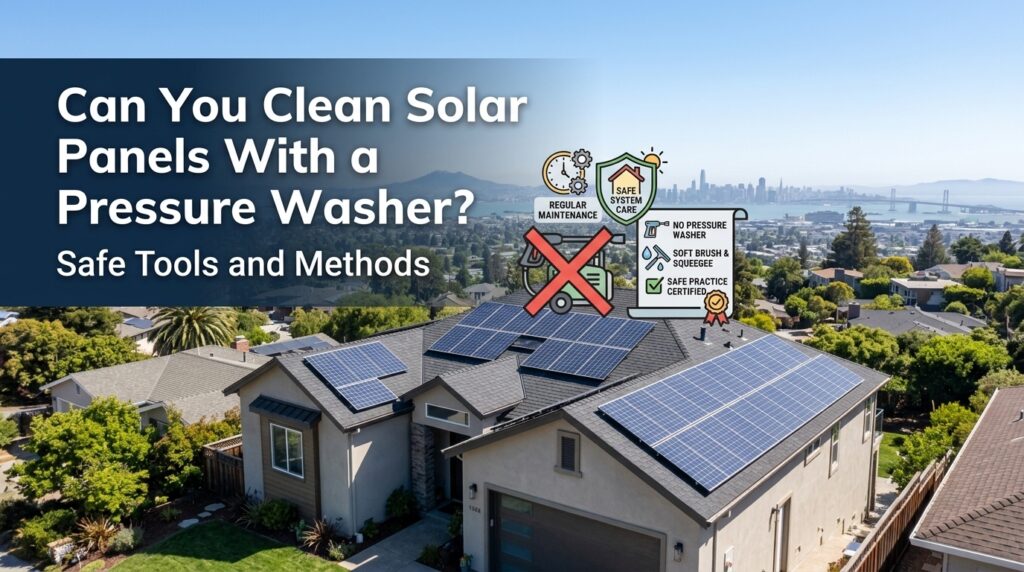
Can You Clean Solar Panels With a Pressure Washer? Safe Tools and Methods
Solar panels are designed to handle rain, wind, and outdoor conditions, but that does not mean every cleaning method is safe. Many homeowners already own a pressure washer and wonder whether it can quickly remove dust, pollen, bird droppings, and other debris from their solar array.
The short answer: using a standard high-pressure washer directly on solar panels is generally not recommended. Concentrated water pressure can damage panel surfaces, seals, and electrical components. A safer approach is to use gentle cleaning methods designed for photovoltaic equipment. :contentReference[oaicite:0]{index=0}
For homeowners in St. Louis, Missouri, where solar panels may collect seasonal pollen, leaves, dust, and environmental debris, proper maintenance can help protect a solar investment. Rumos Chem provides residential solar information and installation guidance, helping homeowners understand how to care for their systems after installation.
Why Pressure Washing Solar Panels Can Be Risky
A pressure washer is designed for tough outdoor surfaces such as concrete, siding, and driveways. Solar panels are different. They contain protective glass, electrical connections, internal cells, and weather seals that must remain intact to operate properly.
A strong, concentrated spray may create several problems:
- Damage to protective coatings: Solar panels often have surface coatings designed to improve light absorption. Abrasive cleaning or aggressive spraying may damage these layers.
- Stress on seals: Excessive water pressure can force water where it does not belong, potentially affecting panel edges, junction boxes, or connections.
- Physical damage: A powerful spray directed too closely at the glass can create unnecessary stress on the panel.
- Safety concerns: Working with water, electrical equipment, and rooftop access requires careful planning.
Some manufacturers and solar professionals recommend avoiding high-pressure cleaning because the risk of damage outweighs the convenience of faster cleaning. :contentReference[oaicite:1]{index=1}
Can You Use Any Type of Water Pressure on Solar Panels?
Homeowners should avoid treating solar panels like a driveway or patio. A high-powered spray nozzle is not an appropriate cleaning tool for photovoltaic modules.
| Cleaning Method | Recommended? | Reason |
|---|---|---|
| High-pressure washer with concentrated nozzle | No | May damage glass coatings, seals, or sensitive components. |
| Garden hose with gentle water flow | Usually suitable | Provides a safer rinse for loose dirt and debris. |
| Soft brush with extension pole | Recommended | Removes stubborn debris without scratching the surface. |
| Hard scrub brush or abrasive pad | No | Can scratch panel surfaces. |
Safe Tools for Cleaning Residential Solar Panels
The best solar panel cleaning tools are simple. Most homeowners do not need specialized equipment to remove ordinary dirt buildup.
Soft-Bristle Brush
A soft-bristle brush attached to an extension pole can help remove pollen, dust, and light debris. The brush should be gentle enough that it will not scratch glass surfaces.
Garden Hose
A normal garden hose is often enough to rinse away loose dirt. Avoid strong spray settings that create a concentrated stream.
Microfiber Cloths
For accessible areas, microfiber materials can help remove small spots or residue without using abrasive materials.
Solar Panel Cleaning Solutions
If plain water is not enough, use a cleaning solution approved for solar panels or follow the panel manufacturer’s maintenance instructions. Avoid harsh chemicals, abrasive cleaners, and products that may leave residue.
How to Clean Solar Panels Safely
Before cleaning, check your solar equipment documentation. Different manufacturers may have specific maintenance recommendations, and following those instructions helps protect your system.
1. Choose the Right Time
Clean panels when they are cool, such as early morning, late afternoon, or during cooler weather. Spraying cold water onto very hot glass may create unnecessary thermal stress.
2. Inspect Before Cleaning
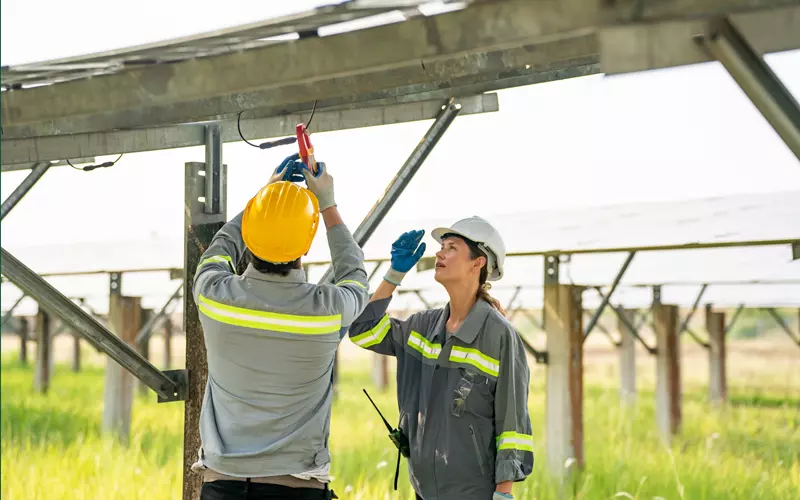
Look for visible issues such as cracked glass, damaged wiring, loose mounting hardware, or unusual debris. Do not attempt repairs yourself unless you are qualified to work on solar electrical equipment.
3. Rinse Gently
Start with a gentle rinse to loosen surface dirt. Many common contaminants can be removed without scrubbing.
4. Remove Stubborn Debris Carefully
For bird droppings or stuck-on material, allow water to soften the debris first. Use a soft brush rather than scraping or applying heavy pressure.
5. Let Panels Dry Naturally
After cleaning, allow the panels to air dry. If your water supply contains many minerals, purified water may help reduce water spots.
What Should You Avoid When Cleaning Solar Panels?
| Avoid | Why |
|---|---|
| Pressure washing at close range | Creates unnecessary force against panel surfaces and seals. |
| Walking on solar panels | Panels are not designed to support foot traffic. |
| Metal tools or abrasive pads | May scratch the glass surface. |
| Harsh chemicals | Could damage materials or leave unwanted residue. |
| Cleaning during extreme heat | May increase the chance of thermal stress. |
When Should You Contact Your Solar Installer or a Professional?
Some cleaning situations are better handled by trained professionals. Contact your solar installer or a qualified solar service provider if:
- Your panels are installed on a steep or difficult-to-access roof.
- You notice cracks, loose panels, damaged wiring, or unusual system behavior.
- Your solar production has dropped and you are unsure whether dirt is the cause.
- You need guidance about warranty-approved cleaning methods.
- You are uncomfortable working around rooftop equipment.
For many homeowners, avoiding rooftop climbing is the safest option. A professional can clean the array while also checking for visible maintenance concerns.
Do Solar Panels Need Regular Cleaning in St. Louis?
Solar panels are exposed to outdoor conditions year-round. In St. Louis, seasonal changes can introduce pollen, leaves, dust, and other debris that may collect on panel surfaces.
However, not every system requires frequent manual cleaning. Rain often removes light dust, and the need for cleaning depends on factors such as roof angle, nearby trees, environmental conditions, and the type of debris present.
Monitoring your system’s performance and visually checking the panels from a safe location can help determine when maintenance may be needed.
Frequently Asked Questions About Solar Panel Cleaning
Can I clean solar panels with a pressure washer?
Using a standard high-pressure washer directly on solar panels is not recommended. Safer methods include gentle water rinsing and soft-bristle cleaning tools. :contentReference[oaicite:2]{index=2}
What is the safest way to clean solar panels?
The safest approach is usually a gentle rinse with water and a soft brush or approved solar cleaning tool. Avoid abrasive materials and aggressive spraying.
Can dirty solar panels stop producing electricity?
Dirt and debris can reduce the amount of sunlight reaching the solar cells, which may affect energy production. The impact depends on the amount and type of buildup.
Should I turn off my solar system before cleaning?
Follow your system manufacturer’s shutdown instructions before performing maintenance. Do not touch electrical components, connectors, or wiring unless you are qualified to do so.
Can I use dish soap on solar panels?
It is best to follow the cleaning recommendations provided by your panel manufacturer. Some cleaning situations may only require water, while others may require an approved mild solution.
Protect Your Solar Investment With Safe Maintenance
Solar panels are built for outdoor conditions, but they still require thoughtful care. A pressure washer may seem like a convenient shortcut, but safer cleaning methods can help protect your equipment and avoid accidental damage.
For homeowners in the St. Louis area, understanding proper solar maintenance is an important part of getting long-term value from a residential solar system. When in doubt, consult your installer or a qualified solar professional before using equipment that could affect your panels.