Can Portable Solar Panels Power a Home? Limits vs Rooftop Panels
Solar power comes in many forms, from small folding panels designed for camping to professionally installed rooftop systems built to produce electricity for an entire household. For homeowners in St. Louis, Missouri, the difference between these options is important because the goal of a solar system determines the right technology.
Portable solar panels can generate useful electricity, but they are generally designed for smaller loads, battery charging, and backup situations rather than replacing a home’s entire electrical supply. Rooftop solar panels, on the other hand, are engineered as permanent energy systems connected to a home’s electrical infrastructure.
Rumos Chem helps homeowners understand residential solar options and installation considerations. The right choice depends on your energy needs, property, budget, and long-term goals—not simply the size of a solar panel.
What Are Portable Solar Panels?
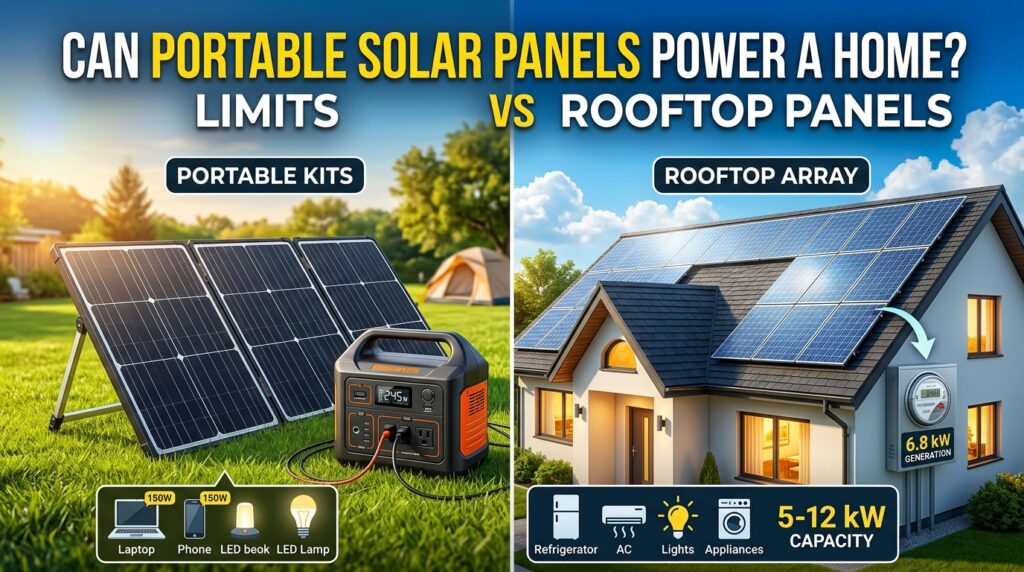
Portable solar panels are lightweight or foldable solar modules designed to be moved between locations. They are commonly paired with portable power stations, batteries, or small solar generators. These systems are popular for camping, RV use, emergency backup, and powering small electronics away from traditional outlets.
Portable panels are available in different sizes, but many consumer models are built around relatively small power outputs compared with a full residential solar array. They are designed for flexibility rather than maximum energy production. :contentReference[oaicite:0]{index=0}
Common Uses for Portable Solar Panels
- Charging phones, tablets, and laptops
- Running LED lights and small electronics
- Charging a portable battery system
- Providing backup power during short outages
- Supporting off-grid activities such as camping or RV travel
Can Portable Solar Panels Run an Entire Home?
The short answer is usually no. Portable solar panels can provide electricity, but most are not designed to meet the continuous energy demands of a typical home.
A house uses electricity for many high-demand appliances, including air conditioners, electric water heaters, ovens, heat pumps, refrigerators, and heating equipment. Meeting those needs requires a much larger solar array, proper inverters, electrical equipment, and often battery storage.
A portable system may keep essential devices operating, but it usually cannot provide the same level of energy production as a professionally designed rooftop solar installation.
| Feature | Portable Solar Panels | Rooftop Solar Panels |
|---|---|---|
| Main purpose | Mobile power and small backup loads | Residential electricity generation |
| Installation | Usually temporary or movable | Permanent installation on a home |
| Typical connection | Portable battery or power station | Home electrical system through solar equipment |
| Best for | Travel, emergencies, small devices | Reducing household grid electricity use |
| Energy capacity | Limited by panel size and battery storage | Designed around household consumption needs |
Why Rooftop Solar Is Different
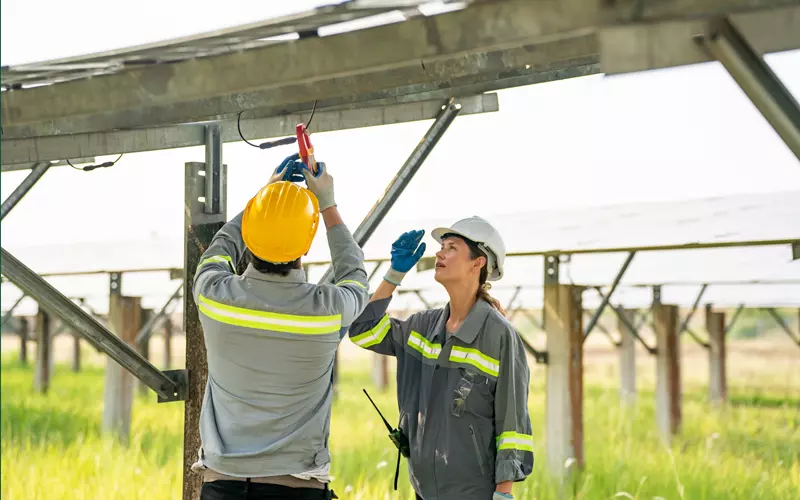
Rooftop solar systems are designed around the energy profile of a home. Instead of moving panels around, a professional installation places multiple solar modules in a location with suitable sunlight exposure and connects them to an inverter and the home’s electrical system.
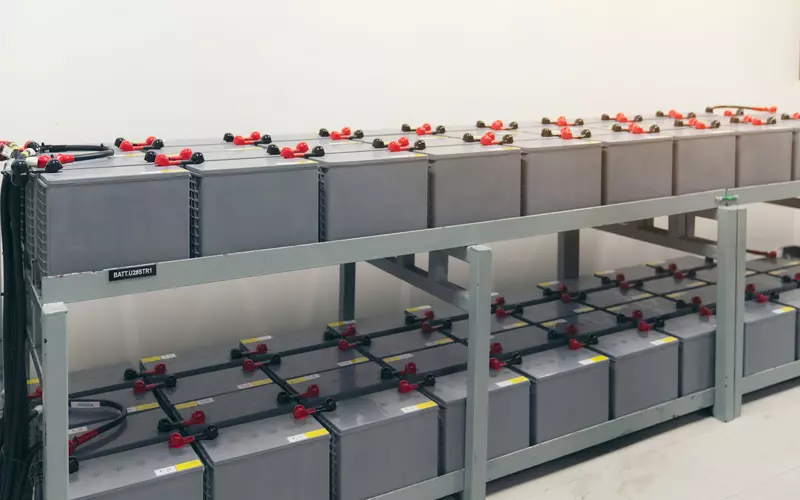
A properly sized residential solar system can generate electricity throughout the year and work alongside utility service. Homeowners may also add battery storage depending on their goals, such as backup power during outages or greater energy independence.
Because rooftop systems are designed as complete energy solutions, they require more planning than portable panels. Factors such as roof condition, orientation, shading, electrical requirements, and local regulations all affect system design.
Portable Solar vs Rooftop Solar: Understanding the Limits
The biggest difference between portable and rooftop solar is scale. A portable panel is built around convenience, while a rooftop system is built around consistent household energy production.
| Consideration | Portable Solar | Residential Rooftop Solar |
|---|---|---|
| Mobility | Can be moved and stored | Fixed installation |
| Powering large appliances | Generally limited | Designed for broader household loads |
| Weather exposure | Requires setup each time | Installed for long-term outdoor operation |
| Maintenance approach | User-managed setup and storage | Professional system design and installation |
| Home energy planning | Usually focused on backup needs | Based on electricity usage patterns |
When Portable Solar May Be the Right Choice
Portable solar panels can make sense for homeowners who need occasional power rather than a complete energy solution.
Emergency Backup for Small Loads
During a power outage, a portable solar setup can help recharge communication devices, run lights, and support other essential electronics when paired with a compatible battery system.
Homes Where Rooftop Solar Is Not Practical
Some homeowners may have shaded roofs, unsuitable roof conditions, rental restrictions, or other limitations that make a permanent solar installation more complicated. Portable options can provide a way to use solar energy without a full installation.
Outdoor and Recreational Use
Portable solar is especially useful for RV owners, campers, and people who need electricity away from traditional power sources.
When Rooftop Solar Makes More Sense
For homeowners interested in reducing regular electricity purchases and producing energy for a residence, rooftop solar is usually the system designed for that purpose.
A residential solar installation can be customized based on:
- Current electricity consumption
- Roof space and sunlight exposure
- Future energy goals
- Battery backup preferences
- Local utility requirements
In St. Louis, Missouri, homeowners should also consider seasonal changes in sunlight, winter conditions, and local utility policies when evaluating solar options.
Do Portable Solar Panels Work During a Power Outage?
Yes, portable solar panels can work during an outage if they are connected to a compatible battery or power station. However, the amount of backup power available depends on the panel size, battery capacity, sunlight conditions, and the devices being powered.
Portable systems typically support selected loads rather than automatically powering an entire home. A properly designed home solar and battery system is a different approach intended for larger backup needs.
How Rumos Chem Helps Homeowners Evaluate Solar Options
Choosing between portable solar and rooftop solar starts with understanding what you want solar energy to accomplish. A small portable setup may be ideal for occasional backup power, while a professionally installed residential system may better fit homeowners seeking long-term energy production.
Rumos Chem provides residential solar information and installation services for homeowners in St. Louis, Missouri. The focus is helping homeowners understand available options, evaluate their property, and make informed decisions about solar energy.
Frequently Asked Questions
Can portable solar panels replace rooftop solar?
For most homes, portable solar panels are not a replacement for rooftop solar. They are typically designed for smaller energy needs, battery charging, and temporary power situations.
Can portable solar panels run a refrigerator?
Some portable solar systems can run a refrigerator when paired with an appropriately sized battery and inverter. Whether they can do so reliably depends on the equipment specifications and available sunlight.
Are rooftop solar panels more powerful than portable panels?
Rooftop solar systems are generally designed with many panels working together to produce electricity for a home. Portable panels prioritize mobility and convenience rather than maximum household energy production.
Can I add battery storage to rooftop solar later?
Many solar systems can be designed or upgraded to include battery storage, but compatibility depends on the equipment installed and the system design.
Are portable solar panels useful for Missouri homeowners?
Yes. Portable solar panels can be useful for emergency preparation, outdoor activities, and small backup needs. Homeowners looking to generate electricity for daily household use should evaluate a complete residential solar system.