Lithium Iron Phosphate vs Lead-Acid Solar Batteries: Which Is Better?
Solar energy systems are becoming a popular choice for homeowners and businesses looking to reduce dependence on the traditional power grid, improve energy resilience, and make better use of renewable energy. However, adding battery storage creates an important decision: should you choose a lithium iron phosphate (LiFePO4) battery or a traditional lead-acid battery?
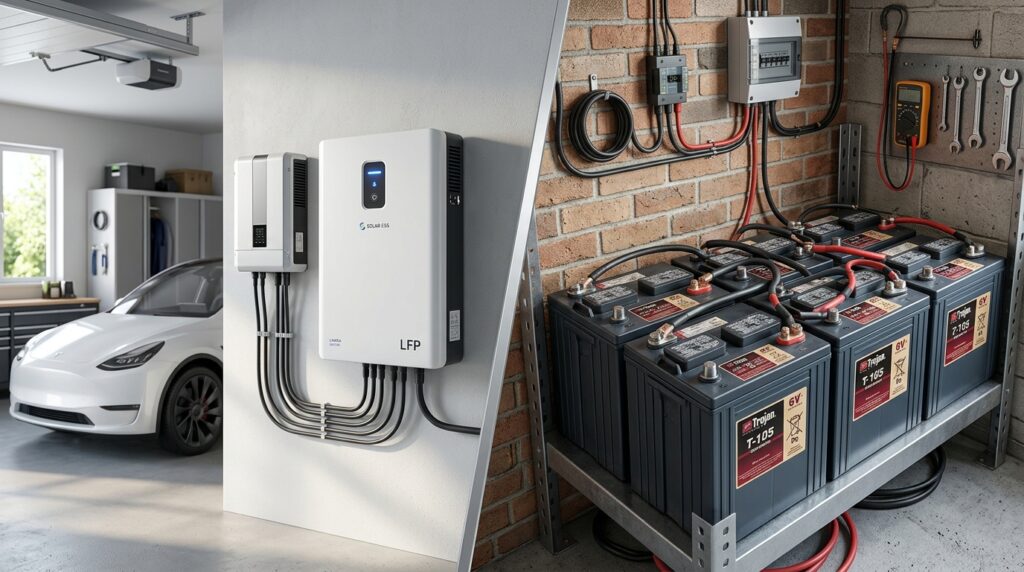
Both battery technologies can store solar energy for nighttime use, backup power, and off-grid applications. However, they differ significantly in lifespan, efficiency, maintenance requirements, usable capacity, and long-term value. Lithium iron phosphate batteries have become increasingly common in modern residential and commercial solar installations because of their durability and performance advantages, while lead-acid batteries remain an option for certain budget-focused or low-use applications. :contentReference[oaicite:0]{index=0}
In this guide, Rumos Chem compares lithium iron phosphate vs lead-acid solar batteries to help you understand the differences and choose the right storage solution for your solar project.
What Is a Lithium Iron Phosphate (LiFePO4) Solar Battery?
Lithium iron phosphate, commonly called LiFePO4 or LFP, is a type of lithium-ion battery chemistry designed for long-lasting energy storage applications. It uses lithium iron phosphate as the cathode material, which provides excellent thermal stability and reliable performance for solar storage systems.
Many modern solar battery systems use LiFePO4 technology because it offers:
- Long cycle life with thousands of charge and discharge cycles
- Higher usable capacity compared with many lead-acid systems
- High charging and discharging efficiency
- Low maintenance requirements
- Compact size and lighter weight
For residential solar systems, commercial facilities, and backup power applications, LiFePO4 batteries are often selected when homeowners or businesses want a storage system designed for frequent daily cycling. :contentReference[oaicite:1]{index=1}
What Is a Lead-Acid Solar Battery?
Lead-acid batteries are one of the oldest rechargeable battery technologies and have been used for decades in vehicles, backup power systems, and off-grid solar installations.
Common solar lead-acid battery types include:
- Flooded lead-acid: Requires regular maintenance, including electrolyte checks and ventilation.
- AGM (Absorbent Glass Mat): A sealed option with lower maintenance requirements.
- Gel batteries: A sealed design that uses gel electrolyte for improved stability.
Lead-acid batteries are still used because they typically have a lower upfront cost and are widely available. However, they generally require more frequent replacement and provide less usable energy compared with modern lithium battery systems. :contentReference[oaicite:2]{index=2}
Lithium Iron Phosphate vs Lead-Acid Solar Batteries: Key Differences
| Feature | LiFePO4 Solar Battery | Lead-Acid Solar Battery |
|---|---|---|
| Battery Chemistry | Lithium iron phosphate | Lead plates and sulfuric acid electrolyte |
| Typical Lifespan | Often designed for long-term use with many years of service depending on conditions | Generally shorter lifespan, especially with frequent deep cycling |
| Cycle Life | Usually thousands of cycles | Usually hundreds to lower thousands of cycles depending on battery type and usage |
| Usable Capacity | Higher usable percentage of rated capacity | Lower usable capacity to avoid reducing battery life |
| Maintenance | Very low maintenance | May require maintenance, especially flooded batteries |
| Weight | Lighter and more compact | Heavier and requires more space |
Performance Comparison: Which Battery Works Better for Solar?
1. Lifespan and Cycle Life
The biggest difference between LiFePO4 and lead-acid batteries is how many times they can be charged and discharged before performance declines.
Solar batteries often cycle every day, especially in homes using stored solar energy during evenings or during outages. LiFePO4 batteries are generally better suited for frequent cycling because they can handle many more charge and discharge cycles than traditional lead-acid options. :contentReference[oaicite:3]{index=3}
- LiFePO4: Designed for extensive cycling and long service life
- Lead-acid: Better suited for applications with lighter or occasional use
2. Efficiency and Energy Loss
Battery efficiency determines how much stored solar energy you can actually use. During charging and discharging, some energy is lost due to chemical and electrical resistance.
LiFePO4 batteries typically provide higher round-trip efficiency than lead-acid batteries, meaning more of your solar energy remains available for household or commercial use. :contentReference[oaicite:4]{index=4}
| Performance Category | LiFePO4 | Lead-Acid |
|---|---|---|
| Energy Efficiency | Generally higher efficiency with lower energy losses | Lower efficiency due to greater energy losses |
| Charging Speed | Usually faster charging capability | Typically slower charging process |
| Daily Solar Cycling | Well suited for frequent daily use | May experience faster wear with deep daily cycling |
| Energy Density | Stores more energy in a smaller package | Requires more physical space for similar storage needs |
3. Depth of Discharge and Usable Energy
Depth of discharge (DoD) refers to how much stored energy can be safely used before recharging. A battery with a higher usable DoD can provide more available power from the same rated capacity.
Many lead-acid batteries are operated at a lower depth of discharge to help protect battery health. LiFePO4 batteries generally allow deeper discharge levels, which means a smaller battery bank may provide similar usable energy. :contentReference[oaicite:5]{index=5}
Advantages and Disadvantages of LiFePO4 Solar Batteries
Advantages
- Longer operating life: Suitable for homeowners and businesses expecting years of regular solar use.
- Higher efficiency: Helps maximize the energy produced by solar panels.
- Less maintenance: Most systems include battery management technology for monitoring and protection.
- Compact design: Requires less installation space.
- Better daily cycling: A strong choice for solar-plus-storage systems.
Disadvantages
- Higher initial investment compared with traditional lead-acid batteries.
- Requires compatible charging equipment and system design.
- Performance can be affected by extreme temperatures without proper installation considerations.
Advantages and Disadvantages of Lead-Acid Solar Batteries
Advantages
- Lower upfront cost in many situations.
- Well-established technology with decades of use.
- Available in many markets.
- Can work well for backup systems with limited cycling.
Disadvantages
- Shorter lifespan compared with many LiFePO4 systems.
- Lower usable capacity.
- Heavier and larger installation footprint.
- Some types require regular maintenance.
Which Solar Battery Is Better for Homes and Businesses?
The right choice depends on your energy goals, budget, and how often you plan to use stored solar power.
- Residential solar backup: LiFePO4 is often preferred for homeowners who want reliable backup power and daily energy storage.
- Commercial solar systems: Businesses that depend on consistent energy availability may benefit from the longer lifespan and efficiency of LiFePO4.
- Occasional backup systems: Lead-acid may still be suitable where batteries are rarely used and upfront cost is the main consideration.
- Off-grid solar: LiFePO4 is commonly selected for systems requiring frequent cycling and dependable long-term performance.
How to Choose Between LiFePO4 and Lead-Acid Solar Batteries
Before selecting a solar battery, consider these practical factors:
- Energy usage: Review how much electricity you need during nighttime hours or outages.
- Battery cycling frequency: Daily-use systems usually benefit from longer-lasting battery chemistry.
- Available installation space: Consider battery size, weight, and placement requirements.
- Maintenance preferences: Decide whether you prefer a low-maintenance storage system.
- Long-term ownership goals: Compare expected replacement needs, not just initial purchase cost.
- Installer recommendations: Work with a qualified solar professional to match battery specifications with your inverter and solar array.
Battery technology continues to evolve, and available models, warranties, and incentives can change. Always verify current product specifications and local program details before making a final decision.
Frequently Asked Questions About Solar Batteries
1. Is LiFePO4 better than lead-acid for solar?
For many modern solar installations, LiFePO4 provides advantages in lifespan, efficiency, usable capacity, and maintenance. However, lead-acid may still work well for certain low-use or budget-focused applications.
2. Can I replace my lead-acid solar batteries with LiFePO4 batteries?
In many cases, a lead-acid system can be upgraded to LiFePO4, but compatibility with the inverter, charge controller, wiring, and battery management system should be confirmed before installation.
3. Do lithium solar batteries require maintenance?
Most LiFePO4 solar batteries require minimal maintenance compared with flooded lead-acid batteries. However, proper installation, temperature management, and system monitoring remain important.
4. How do I know what size solar battery I need?
The correct battery size depends on your electricity usage, backup goals, solar production, and desired operating time during outages. A solar professional can help calculate the appropriate storage capacity.
Conclusion: Choose the Right Solar Battery for Your Energy Goals
When comparing lithium iron phosphate vs lead-acid solar batteries, both technologies have a place in energy storage. Lead-acid batteries can provide a lower upfront-cost option for certain applications, while LiFePO4 batteries offer strong advantages for homeowners and businesses seeking long-term performance, efficiency, and reliability.
Choosing the right battery depends on your energy needs, system design, and future goals. Rumos Chem can help you evaluate your solar storage options and design a solution that fits your property.
Contact Rumos Chem today to request a free solar quote and discover the best battery storage solution for your home or commercial solar system.