What Should You Check Before Signing a Solar Installation Contract?
Installing solar panels is a major home improvement decision, and the contract you sign determines what equipment you receive, what services are included, what you pay, and who is responsible throughout the project. Before signing a solar installation contract, homeowners should carefully review the details instead of focusing only on the estimated energy savings or monthly payment.
For homeowners in St. Louis, Missouri, a solar project involves several important steps, including system design, permitting, utility requirements, installation, inspections, and long-term maintenance planning. A clear contract helps ensure that expectations between the homeowner and solar installer are aligned from the beginning.
This guide explains the key items to check before signing a residential solar installation agreement so you can make an informed decision.
1. Confirm Exactly What Solar System You Are Getting
A solar contract should clearly describe the system being installed. Avoid agreements that only use general descriptions like “premium solar panels” or “high-efficiency equipment.” The written contract should identify the important components and project details.
Check that the agreement includes:
- Solar panel manufacturer and model information
- Inverter type and model information
- System size and design specifications
- Mounting or racking equipment details
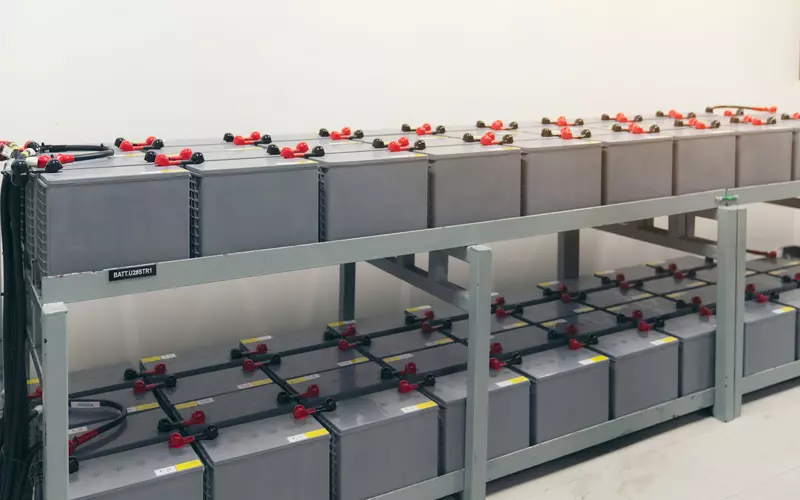
- Battery storage equipment, if included
- Monitoring system information
- Electrical upgrades or additional work that may be required
The final contract should match the proposal you reviewed. If equipment changes after signing, make sure substitutions are documented and approved in writing.
2. Review the Total Cost and Payment Terms
Solar pricing can look different depending on whether you purchase the system outright, use financing, or choose another payment arrangement. A contract should make the financial commitment easy to understand.
| Contract Item | What to Check |
|---|---|
| Total project cost | Confirm the complete price, including equipment, labor, permits, and any additional services. |
| Payment schedule | Understand when deposits or milestone payments are due. |
| Financing terms | Review loan amount, interest rate, repayment schedule, and total repayment obligations. |
| Additional charges | Look for possible costs related to electrical upgrades, roof work, or site conditions. |
A low monthly payment does not always show the full financial picture. Review the complete agreement and ask questions about anything that is unclear.
3. Understand Ownership and Financing Structure
Not every solar agreement works the same way. Before signing, confirm who owns the solar equipment and how payments work.
Common arrangements include:
- Solar purchase: The homeowner buys the system and owns the equipment after installation.
- Solar loan: The homeowner owns the system while making payments through a financing provider.
- Lease or power purchase agreement: A third party may own the equipment while the homeowner pays according to the agreement terms.
Ownership affects warranties, maintenance responsibilities, incentives, and what happens if you sell your home. Make sure the contract explains these details clearly.
4. Check Solar Production Estimates Carefully
Solar companies often provide estimates showing expected energy production and possible savings. These estimates are based on factors such as roof orientation, shading, electricity usage, equipment performance, and local conditions.
Before signing, review:
- Expected annual energy production
- Assumptions about your electricity usage
- Roof shading considerations
- Whether production numbers are estimates or guarantees
- Any conditions attached to performance commitments
Remember that future electricity rates, weather conditions, and household energy use can change. A good contract explains assumptions instead of presenting estimates as guaranteed results.
5. Verify Permits, Inspections, and Utility Responsibilities
A residential solar installation usually requires coordination between the installer, local authorities, and the utility company. Your contract should explain who handles these steps.
| Project Step | Contract Questions to Ask |
|---|---|
| Permits | Who submits permit applications and handles required documentation? |
| Inspections | Who schedules inspections and resolves inspection issues? |
| Utility connection | Who manages the utility interconnection process? |
| System activation | When will the system be turned on and monitoring access provided? |
Having responsibilities clearly assigned can help prevent delays or confusion during installation.
6. Review Warranty Coverage and Service Responsibilities
Solar equipment is designed for long-term operation, so warranty information is an important part of your contract review.
Look for details about:
- Solar panel product warranties
- Inverter warranties
- Battery warranties, if applicable
- Installation workmanship coverage
- Who handles warranty claims
- How service requests are submitted
Also ask what happens if the installer is no longer available in the future. Understanding your service options before installation can make future maintenance easier.
7. Review Roof Work and Home Modifications
Solar panels are attached to your home, so roof conditions and installation methods matter. If roof repairs or upgrades are needed before solar installation, those responsibilities should be clearly explained.
Ask:
- Will roof repairs be required before installation?
- Are roof repairs included or excluded from the contract?
- Who is responsible for roof-related issues after installation?
- How will roof penetrations and waterproofing be handled?
Addressing these questions before signing can help avoid unexpected costs later.
8. Understand Cancellation, Changes, and Project Delays
Read the sections covering cancellation rights, project delays, and changes to the agreement. Rules can vary depending on location, contract type, and how the agreement was signed.
Make sure you understand:
- Any cancellation period or requirements
- How change orders are handled
- What happens if site conditions change
- How scheduling delays are communicated
- What happens if equipment availability changes
Never rely only on verbal promises. Important agreements should appear in the written contract.
9. Compare the Contract With the Original Proposal
Before signing, compare the final contract against your original solar proposal. Look for differences in:
- System size
- Equipment models
- Price
- Timeline
- Included services
- Warranty terms
If something has changed, ask for clarification before signing. A complete written record protects both the homeowner and the installer.
Questions to Ask Before Signing a Solar Contract
- What exact equipment will be installed?
- Who owns the solar system?
- What is included in the total project cost?
- Who handles permits and inspections?
- How are repairs and warranty claims handled?
- What happens if I sell my home?
- What items are not included in the contract?
Frequently Asked Questions About Solar Installation Contracts
Should I sign a solar contract during the first sales meeting?
No. Take time to review the complete agreement, compare details, and ask questions before committing. A solar installation contract is a long-term agreement and should be understood before signing.
What information should a solar contract include?
A solar contract should include system specifications, pricing, payment terms, installation responsibilities, warranties, timelines, and details about permits and utility requirements.
Can solar equipment be changed after I sign?
Changes may happen because of availability, site conditions, or design updates. Any equipment substitution or scope change should be documented in writing before installation.
Why are solar savings estimates not the same as guaranteed savings?
Solar savings depend on several factors, including energy use, utility rates, weather, shading, and system performance. Estimates should clearly explain their assumptions.
Final Thoughts: Review Your Solar Contract Before You Commit
A solar installation contract is more than a document that approves panel installation. It defines your equipment, costs, responsibilities, warranties, and expectations for years to come.
Before signing, confirm that every important detail is written clearly and that you understand what is included and excluded. For St. Louis homeowners considering solar, taking time to review the contract carefully can help create a smoother installation experience and a better understanding of your investment.
If you are exploring residential solar options, Rumos Chem provides solar information and installation guidance to help homeowners understand the process from planning through installation.