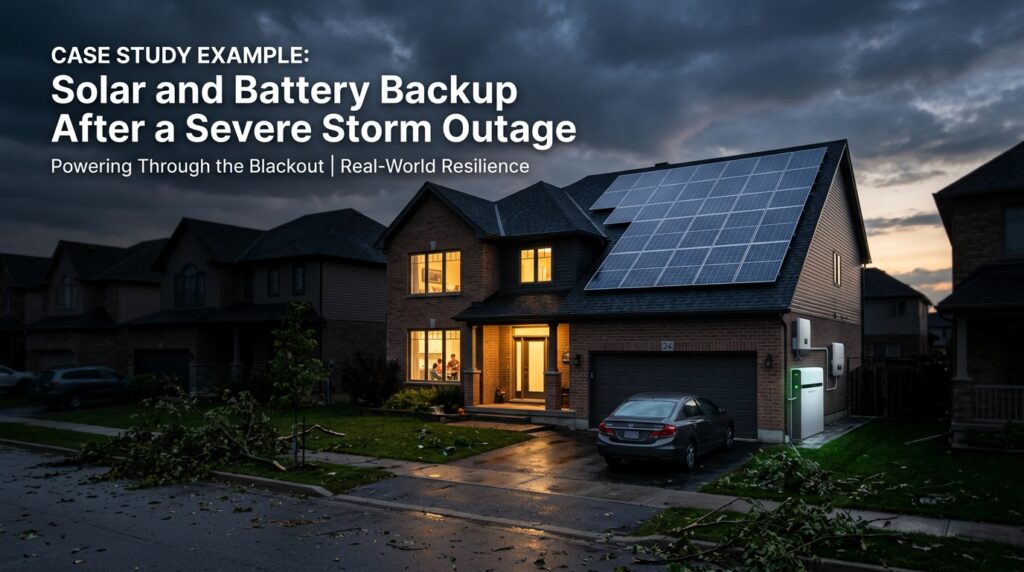
Case Study Example: Solar and Battery Backup After a Severe Storm Outage
Illustrative example only: This is not a real customer or project and contains no promised results. It shows how a St. Louis homeowner might think through case study example: solar and battery backup after a severe storm outage using site-specific information and qualified professionals.
Good planning starts with the household goal, actual electricity use, roof and service conditions, and the rules that apply to the property. A written proposal should explain assumptions, equipment, responsibilities, maintenance, and limitations. Never treat a sales headline as a guarantee.
Define the Homeowner’s Goal
Write down what success means before comparing equipment. It may be lower grid purchases, selected backup circuits, predictable operation, easier maintenance, or simply understanding an existing system. Goals that are specific are easier to test and less likely to be oversold.
- List the loads or decisions that matter most.
- Separate essential needs from nice-to-have features.
- Review household changes that could alter future electricity use.
- Ask what happens in normal operation and during an outage.
Understand the System
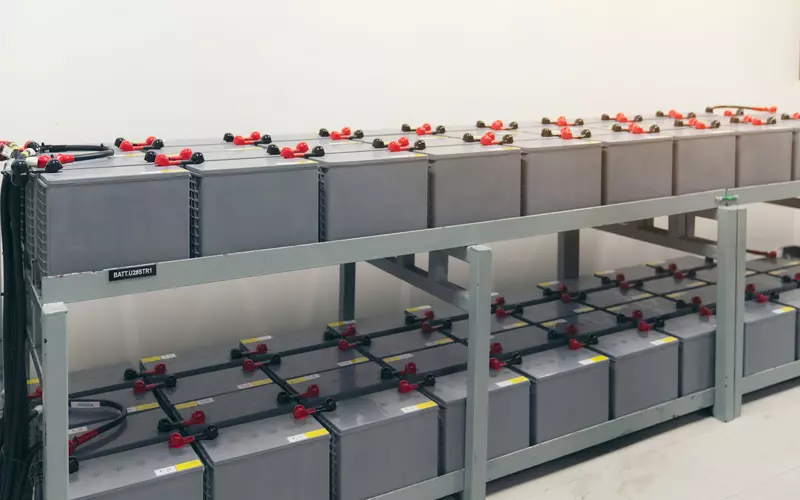
Panels generate electricity when conditions allow; inverters convert it for household use; batteries store energy for later use; monitoring reports system status. Each component has operating limits and a warranty. A grid-tied solar array does not automatically power a home during an outage, and a battery does not necessarily back up every circuit.
For medical equipment, safety and continuity planning are especially important. Work with the equipment provider and licensed electrical professionals to confirm startup power, runtime, alarms, transfer behavior, and a backup plan. A portable generator or other option may still be appropriate.
Site and Equipment Checklist
| Area | Questions to document | Professional to involve |
|---|---|---|
| Roof and shade | Condition, access, trees, and future repairs | Installer or roofing professional |
| Electrical service | Panel capacity, circuits, disconnects, and transfer equipment | Licensed electrician or installer |
| Critical loads | Startup needs, priority, and desired outage behavior | Electrician and equipment provider |
| Utility connection | Interconnection, export, and shutoff requirements | Installer and utility |
| Ownership | Warranty, service, monitoring, and transfer terms | Installer; adviser when needed |
Compare Options Carefully
Ask for comparable written scopes. A proposal should state what is included and excluded, how production or backup behavior is estimated, who obtains permits, and who responds to a fault. Read the cancellation terms and warranty exclusions. For a medical load or outage plan, ask what happens if the battery is empty, the inverter faults, the network is offline, or severe weather prevents service.
| Option | Potential benefit | Limit to verify |
|---|---|---|
| Grid-tied solar | Produces electricity for household use | Usually shuts down when the grid is out |
| Solar plus battery | Can support selected circuits when designed for it | Capacity, controls, recharge, and runtime depend on site |
| Load management | Reduces demand and can extend backup | Requires compatible controls and changed habits |
| Portable backup | May provide another contingency | Fuel, ventilation, transfer, and safety requirements |
Warning Signs and Pressure Tactics
- Claims that a rule, credit, or savings result is guaranteed without written assumptions.
- Requests to sign immediately or discourages comparison shopping.
- Unclear ownership, warranty, monitoring, or service responsibility.
- Promises that the system will power the entire home without a load analysis.
- Refusal to explain permits, utility approval, roof condition, or exclusions.
Take time to verify current utility and incentive rules through official sources. Ask for a written quote and keep a copy. A reputable professional should welcome questions and make it clear which statements are estimates.
Safe Steps a Homeowner Can Take
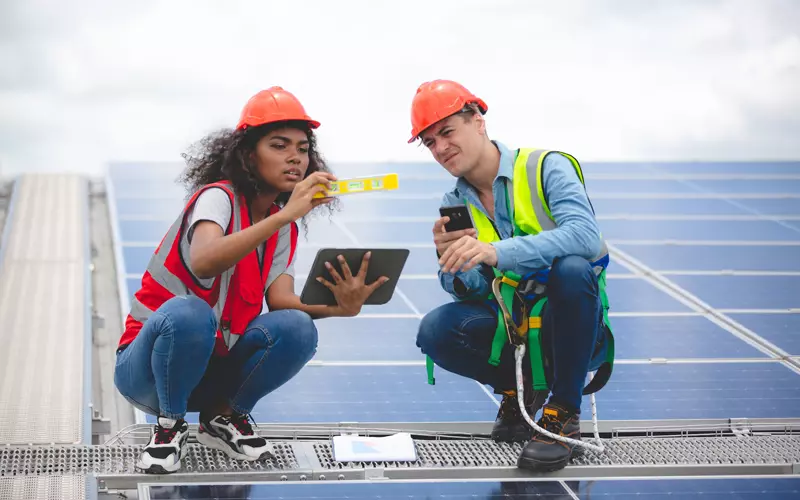
Homeowners can gather bills, note appliance priorities, photograph equipment from the ground, save monitoring screenshots, and keep contracts together. Do not climb onto the roof, open energized equipment, reset a recurring breaker, or modify wiring. In St. Louis, review the plan for storms, hail, heat, snow, and service access.
When to Call a Qualified Professional
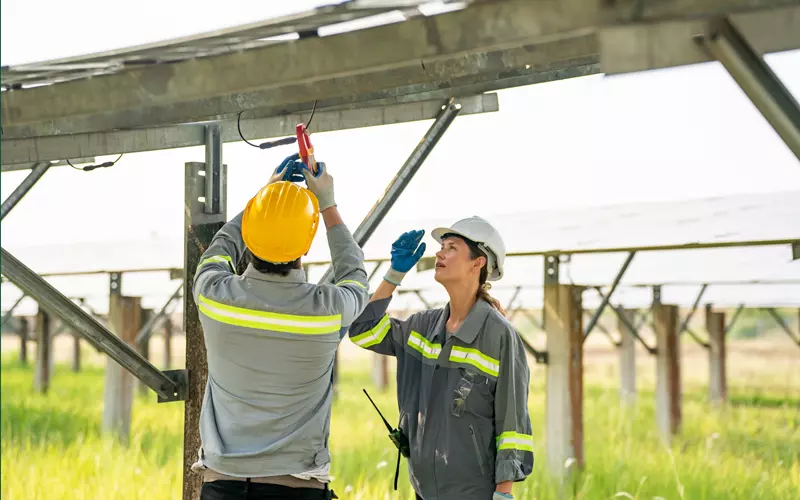
Call a qualified installer for error codes, damaged equipment, recurring breaker trips, roof or wiring concerns, transfer-switch questions, and any change to the system. Call emergency services as appropriate for smoke, sparking, fire, or an unsafe medical situation. A licensed professional can test the system and coordinate with the utility.
Decision Worksheet
Before committing, record the goal, critical loads, recent bills, roof age, panel location, utility, permit scope, equipment list, warranty, monitoring method, service contact, and what the contract does not cover. Ask how the system behaves during a long outage and how it is restored afterward. If any answer is vague, pause and request clarification.
Frequently Asked Questions
Will solar work during a grid outage?
Not necessarily. Standard grid-tied systems usually shut down for safety. Backup operation requires compatible controls, storage or another approved design, and proper installation.
Can a battery run every appliance?
It depends on capacity, power output, startup demand, wiring, and the loads selected. Request a site-specific load review.
Should I sign during a limited-time offer?
Do not rush. Verify the written scope, current rules, cancellation terms, warranties, and service plan, and compare alternatives.
What if I already have a problem?
Use safe visual checks, save error messages and dates, and contact the installer or equipment warranty provider. Do not attempt electrical repairs.
How can Rumos Chem help?
Rumos Chem provides residential solar information and installation guidance for St. Louis homeowners. Ask for a clear explanation tailored to your site.
Final Thoughts
The best outcome comes from matching equipment to a clearly defined goal, verifying site and utility details, and choosing qualified professionals. Keep documentation, question unsupported claims, and plan for maintenance and unusual conditions. Thoughtful review is safer and more useful than a rushed promise.