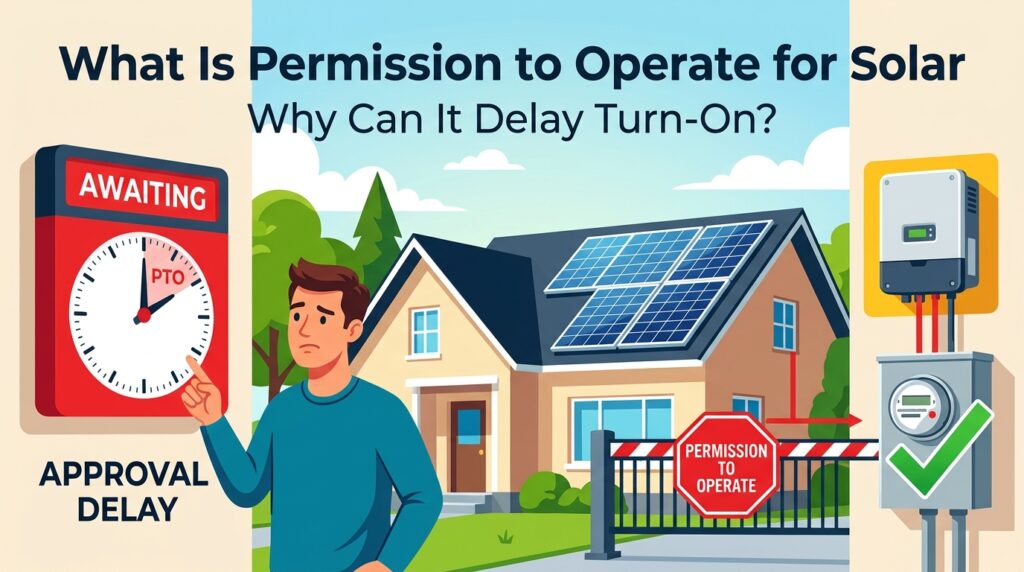
What Is Permission to Operate for Solar and Why Can It Delay Turn-On?
What Is Permission to Operate for Solar and Why Can It Delay Turn-On? is a useful planning question for homeowners considering residential solar in St. Louis. This practical Rumos Chem guide explains the process, the documents to gather, and the questions that prevent confusion without promising savings or approval.
Start with actual bills, the household goal, roof and electrical conditions, utility requirements, and the complete written scope. Estimates are not guarantees. A proposal should state assumptions, equipment, responsibilities, maintenance, warranties, and exclusions in plain language.
Define the Goal and Baseline
Record current electricity use, critical loads, planned changes, and the conditions you want the system to address. For storage, separate bill management from outage support. For interconnection, separate installation completion from utility permission to operate. Clear terms make the timeline easier to understand.
- Save recent bills and note unusual months.
- List circuits that matter during an outage.
- Record roof age, shade, and service equipment.
- Ask which approvals are included.
- Keep written copies of all assumptions.
How the System Works
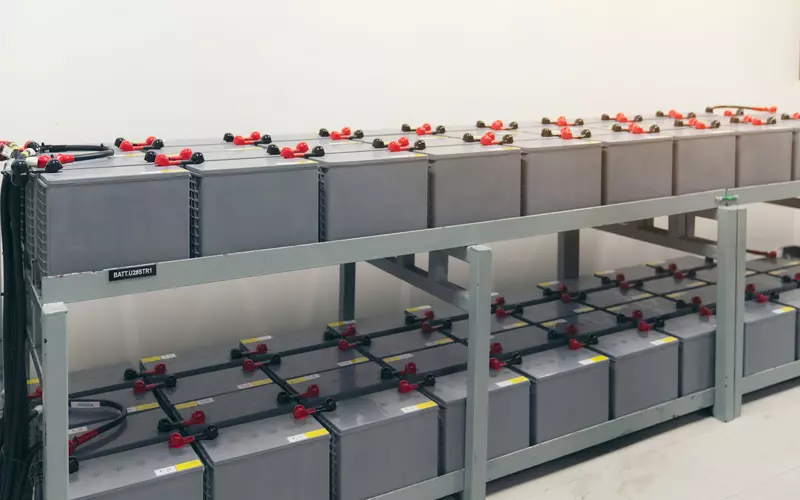
Panels produce electricity, inverters convert it, monitoring reports it, and batteries store it. A battery has power and usable-capacity limits. A grid-connected system must meet utility and safety requirements before normal operation. Equipment can be installed physically while final inspections, testing, meter work, or utility approval are still pending.
Questions to ask
- What step is complete and what step is still pending?
- Who submits forms and who responds to utility questions?
- What evidence shows a system is ready?
- How are changes, delays, and re-inspections handled?
- Who provides service after approval?
Planning Table
| Item | What to gather | Why it matters |
|---|---|---|
| Usage | Bills, load list, and future plans | Creates a realistic baseline |
| Site | Roof, shade, access, and panel photos | Supports design and maintenance |
| Electrical | Service, circuits, disconnects, and meter | Supports safe installation |
| Utility | Interconnection documents and status updates | Clarifies permission and timing |
| Contract | Scope, warranty, service, and exclusions | Defines responsibility |
Compare the Numbers and Terms
For any payback discussion, identify the complete cost, usable benefit, maintenance, replacement assumptions, financing terms, utility treatment, and the period being considered. Do not treat a single payback number as a promise. For an approval timeline, identify every handoff and ask what could trigger a correction or re-inspection.
| Question | Written answer to request | Who should confirm |
|---|---|---|
| What is included? | Equipment, labor, permits, inspections, and utility work | Installer and utility |
| What is estimated? | Production, savings, timing, and usage assumptions | Installer; adviser as needed |
| What is guaranteed? | Contract obligations and warranty coverage | Read the agreement |
| What happens if delayed? | Notice, correction, resubmission, and service steps | Installer and utility |
Local Weather and Safety
St. Louis heat, storms, hail, snow, pollen, and leaves affect access and equipment. Do not climb the roof, open energized equipment, alter wiring, or repeatedly reset a breaker. Save error messages and dates. Call a qualified installer for faults, damaged equipment, utility questions, or any proposed electrical change. Contact emergency services for fire, smoke, sparking, or immediate danger.
Choose a Provider Carefully
Look for a clear scope, equipment list, permit and utility responsibilities, monitoring plan, warranties, maintenance instructions, and service contact. Be cautious about pressure to sign, unsupported savings claims, and promises that ignore the utility or contract. A reputable provider welcomes comparison and labels estimates.
Step-by-Step Review
Gather documents, define the goal, request a site-specific assessment, compare complete proposals, verify current rules, and consult licensed or financial professionals where appropriate. Keep a file with bills, proposals, permits, manuals, serial numbers, and service notes. Good records make later questions easier to answer.
Frequently Asked Questions
Is payback guaranteed?
No. It depends on actual use, weather, utility treatment, equipment, maintenance, financing, and assumptions. Treat it as an estimate.
Can a system be turned on as soon as panels are installed?
Not always. Inspections, testing, meter work, and utility permission may still be required.
Who should handle a delay?
Start with the installer and ask for the exact pending step and document needed. Contact the utility when appropriate.
Can I do the electrical work myself?
No. Use qualified professionals and follow permit and code requirements.
How can Rumos Chem help?
Rumos Chem provides residential solar information and installation guidance for St. Louis homeowners.
Final Thoughts
Clear definitions, written assumptions, accurate records, and qualified help turn a confusing process into a manageable one. Verify current rules, read the complete agreement, and take time to understand both benefits and limitations.