Do Solar Panels Need to Be Grounded? What Homeowners Should Know
If you are considering installing a residential solar energy system or already have panels on your roof in St. Louis, Missouri, understanding how system safety works is essential. One of the most critical safety features of any electrical installation is proper grounding. A common question homeowners ask before or after an installation is: Do solar panels need to be grounded?
The short answer is a resounding yes. Solar panels generate direct current (DC) electricity and are exposed to external weather elements 24/7. Proper grounding and bonding protect your home, electrical equipment, and family from severe electrical shocks, short circuits, equipment damage, and lightning surges. At Rumos Chem, we help St. Louis homeowners navigate the technical details of residential solar energy to ensure every system operates safely, efficiently, and fully in compliance with local electrical codes.
In this guide, we will break down everything you need to know about solar panel grounding, bonding, code requirements, and long-term maintenance.
Why Grounding Solar Panels Is Essential for Residential Safety
Solar energy systems produce high-voltage electrical current. Without a clear, designated pathway for stray electrical current to flow harmlessly into the earth, several serious hazards can develop over time:
-
Electrical Shock Hazards: Damaged wire insulation or dynamic weather wear can cause energized copper wires to touch metal solar panel frames or racking systems. Grounding ensures anyone touching metal components is not exposed to dangerous voltages.
-
Lightning and Static Discharge: Solar arrays on roofs act as elevated metallic structures. Grounding safely dissipates static electricity build-up and indirect lightning power surges before they can destroy sensitive home electronics or cause fires.
-
Fire Prevention: Stray electrical arcs can ignite surrounding roof materials or structural timber. Grounding allows circuit breakers or rapid shutdown devices to trip instantly upon detecting ground faults.
-
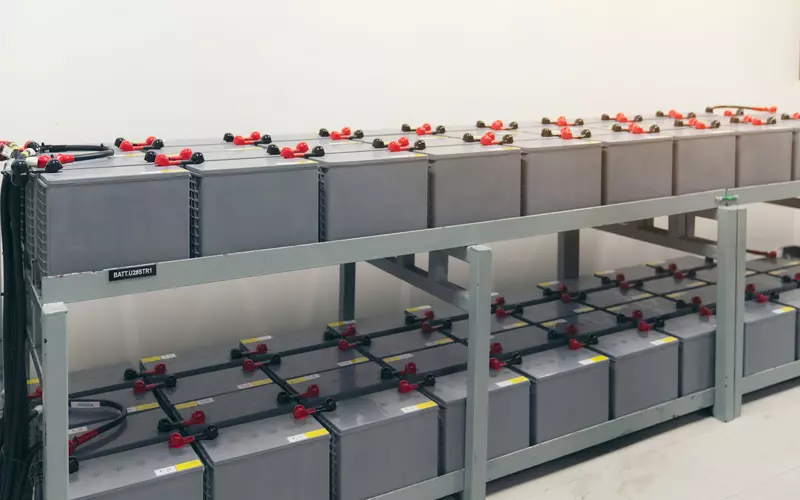
Equipment Longevity: Protecting power inverters, solar charge controllers, and battery banks from voltage spikes significantly extends the lifespan of your solar investment.
Grounding vs. Bonding: Understanding the Key Difference
While often used interchangeably in casual conversation, “grounding” and “bonding” refer to two distinct electrical concepts defined by the National Electrical Code (NEC).
In short: Bonding connects metal components to each other; grounding connects those bonded components to the earth. A safe residential installation in St. Louis requires both working in tandem.
Anatomy of a Solar Grounding System
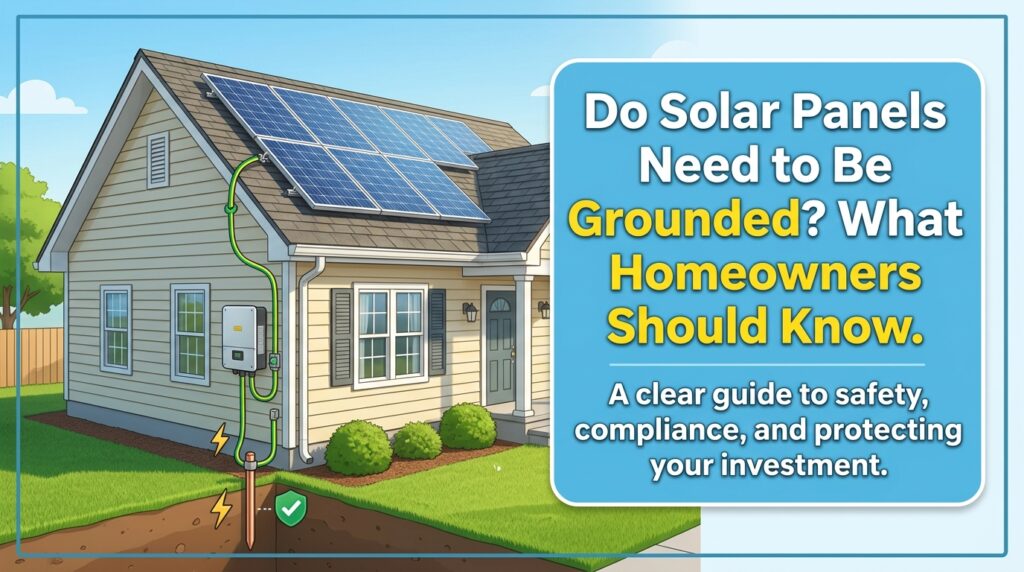
A complete solar grounding setup consists of several interconnected components working together to form a safe path to ground:
-
Equipment Grounding Conductors (EGC): Typically green or bare copper wires that run alongside current-carrying conductors, connecting panel frames, racking, and metallic enclosures together.
-
System Grounding Conductors (GEC): The main heavy-gauge conductor that connects the system’s central grounding terminal to the ground electrode driven into the earth.
-
Grounding Electrodes: A physical metallic rod (usually copper-bonded steel) driven deep into the ground outside the home, or a concrete-encased Ufer ground in newer foundations.
-
Bonding Hardware: Specialized stainless-steel or copper ground lugs, clips (such as WEEB clips), and star washers designed to pierce anodized aluminum coatings on panel frames and racking to guarantee solid metal-to-metal contact.
How System Types Affect Grounding (Microinverters vs. String Inverters)
The exact mechanics of grounding depend heavily on the type of inverter architecture used in your residential system.
National Electrical Code (NEC) and St. Louis Inspection Standards
Residential solar installations in St. Louis must strictly adhere to the National Electrical Code (NEC)—specifically NEC Article 690 (Solar Photovoltaic Systems) and NEC Article 250 (Grounding and Bonding)—as well as local municipal codes and utility standards from providers like Ameren Missouri.
Key code compliance requirements include:
-
NEC 690.43: Mandates that exposed non-current-carrying metal parts of module frames, equipment, and enclosures must be bonded and grounded regardless of system voltage.
-
NEC 690.47: Outlines specific rules for Photovoltaic System Grounding Electrodes, requiring arrays to tie directly into the home’s existing Grounding Electrode System or a supplemental electrode.
-
Rapid Shutdown Compliance: Ensures that rooftop DC voltage can be de-energized rapidly in emergencies to keep first responders safe from electrical shock.
-
Permitting and Inspections: St. Louis county and city inspectors perform rigorous evaluations before granting Permission to Operate (PTO). Inspectors check lug torque specifications, wire ratings, proper grounding clip installation, and main panel bonding jumper connections.
Practical Homeowner Tips for Solar Safety and Grounding Maintenance
While professionally installed grounding systems are designed to be maintenance-free for decades, proactive homeowner awareness can prevent small issues from turning into safety risks:
-
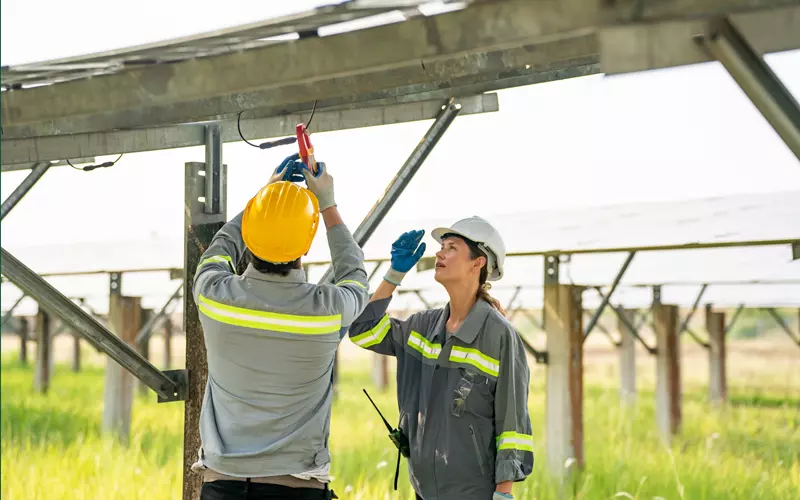
Choose Certified Local Installers: Always work with licensed solar professionals who understand local St. Louis building codes and utility interconnections.
-
Inspect Wire Visibility After Storms: St. Louis experiences severe Midwest thunderstorms, hail, and high winds. Visually inspect your roof line periodically to ensure no grounding wires or conduit have come loose.
-
Keep Trees Trimmed: Falling branches can snap exposed grounding wires or loosen panel racking attachments.
-
Schedule Professional Inspections: Have an electrician or solar technician perform a system health check every few years to test ground resistance and verify electrical continuity.
-
Never Tamper with Wiring: Do not attempt DIY repairs or modifications on solar panels or inverter wiring blocks without turning off main disconnect switches and consulting a professional.
Why St. Louis Homeowners Trust Rumos Chem
Installing solar panels on your St. Louis home is a rewarding investment in energy independence and environmental sustainability. However, system performance is only as good as system safety. At Rumos Chem, we specialize in comprehensive residential solar information, consultation, and installation tailored specifically for Missouri homeowners.
Our team ensures every residential project meets or exceeds national electrical safety standards, from structural racking integrity to precision electrical grounding and bonding. Whether you have questions about transitioning your home to clean solar energy or want to evaluate your existing system setup, Rumos Chem is dedicated to keeping your home powered safely and efficiently.
Frequently Asked Questions (FAQ)
1. What happens if solar panels are not grounded?
Ungrounded solar panels present a severe safety hazard. Stray electrical currents caused by insulation wear, internal faults, or atmospheric static can energize metal frames on your roof. This creates significant risks of electrical shock to anyone touching the structure, increases the risk of rooftop fires, and leaves your inverter vulnerable to destruction from lightning power surges.
2. Can I connect solar panels to my home’s existing ground rod?
Yes. In fact, code standards usually require the solar array grounding system to be tied into your home’s existing Grounding Electrode System (such as the main ground rod near your electric service panel). This ensures equal electrical potential across all household circuits and prevents dangerous voltage differences between systems.
3. Do solar panel mounting rails need separate grounding?
Yes, metal mounting rails must be properly bonded. However, modern mounting systems often utilize UL-listed bonding hardware (like specialized grounding clips or mid-clamps with integral teeth) that pierce the anodized coating of both the panel frame and the rail, effectively bonding the entire metal assembly together through a single grounding pathway.
4. Will grounding protect my solar panels from a direct lightning strike?
Grounding provides a direct path for static charge buildup and mild indirect lightning surges to safely reach the earth. However, no residential grounding system can completely withstand a direct, full-force lightning hit. Surge protective devices (SPDs) installed alongside proper grounding offer the highest level of protection against lighting-induced power spikes.
5. How do inspectors verify that my solar grounding is correct?
During a residential solar inspection in St. Louis, inspectors check for proper wire gauges (typically 6 AWG copper for exposed outdoor runs), UL-listed bonding lugs and hardware, unbroken grounding conductors, correct connections to grounding rods, and clear labeling on all disconnects and junction boxes.