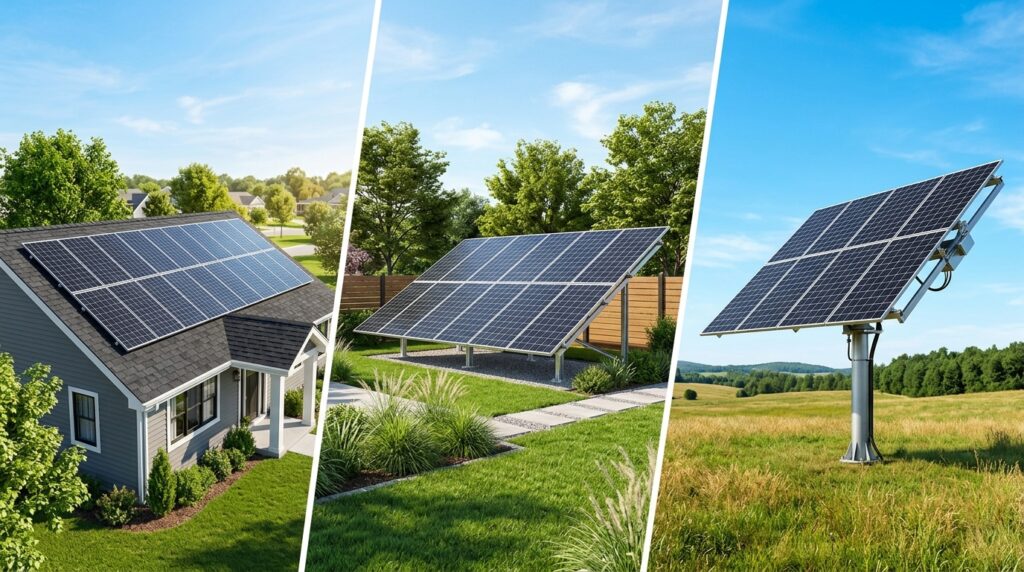
Roof Mount vs Ground Mount vs Pole Mount Solar: Which Fits Your Property?
Choosing the right location for your solar panels is one of the most important decisions in designing a home solar system. While many homeowners think first about panel brands or inverter options, the mounting style can affect installation requirements, maintenance, property use, and long-term system performance.
For homeowners in St. Louis, Missouri, the best choice depends on several property-specific factors, including roof condition, available land, sunlight exposure, electrical layout, and local requirements. The three main residential solar mounting options are roof mount, ground mount, and pole mount systems. Each has advantages and limitations, and the right solution is the one that matches your home and energy goals. :contentReference[oaicite:0]{index=0}
Understanding the Three Main Solar Mounting Options
Solar panels need a secure structure that keeps them positioned correctly while protecting them from weather conditions. The mounting method determines where the array sits and how it connects to your property.
| Mounting Type | How It Works | Common Applications |
|---|---|---|
| Roof Mount | Panels are attached to your home’s roof structure using approved racking and attachment methods. | Most residential homes with suitable roofs and good solar exposure. |
| Ground Mount | Panels are installed on a separate structure anchored into the ground. | Properties with open land, shaded roofs, or limited roof space. |
| Pole Mount | Panels are elevated on one or more poles secured with engineered foundations. | Specialized residential applications, smaller arrays, or properties needing elevation. |
Roof Mount Solar: The Most Common Residential Choice
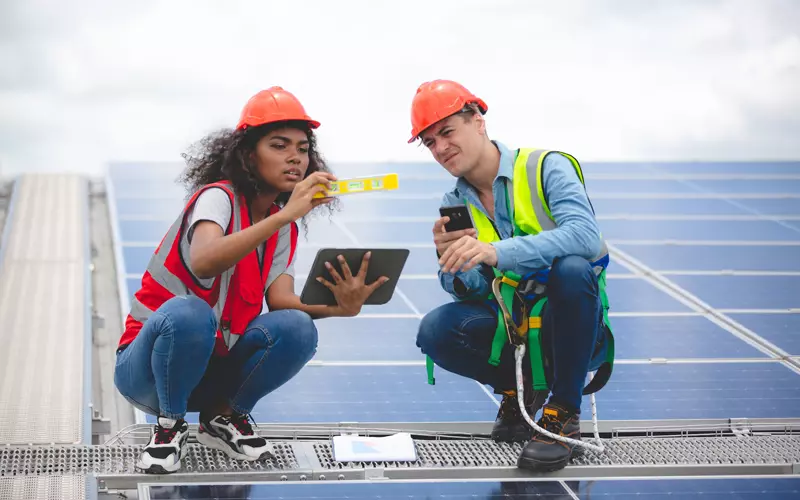
Roof-mounted solar is the approach many homeowners consider first because it uses existing space. Instead of dedicating part of your yard to panels, the system takes advantage of unused rooftop area.
A roof mount can be a strong option when your roof has:
- Adequate remaining lifespan
- Enough open area for the desired number of panels
- Limited shading from trees or nearby structures
- A suitable orientation and slope for solar production
Advantages of Roof Mount Solar
- Uses existing space: Your yard remains available for landscaping, recreation, gardens, or other uses.
- Generally simpler installation: The system does not require separate ground foundations or additional land preparation.
- Shorter electrical runs: Panels are usually closer to the home’s electrical equipment.
- Less property disruption: There is no need to excavate a separate solar area.
Potential Limitations of Roof Mount Solar
A roof is not automatically the best location for every home. Roof conditions can affect whether installation makes sense.
- An older roof may need replacement before solar installation.
- Complex roof designs with many angles, vents, or obstructions may reduce available panel space.
- Heavy shading can limit solar production.
- Future roof repairs may require temporary solar panel removal.
Ground Mount Solar: Flexible Placement for the Right Property
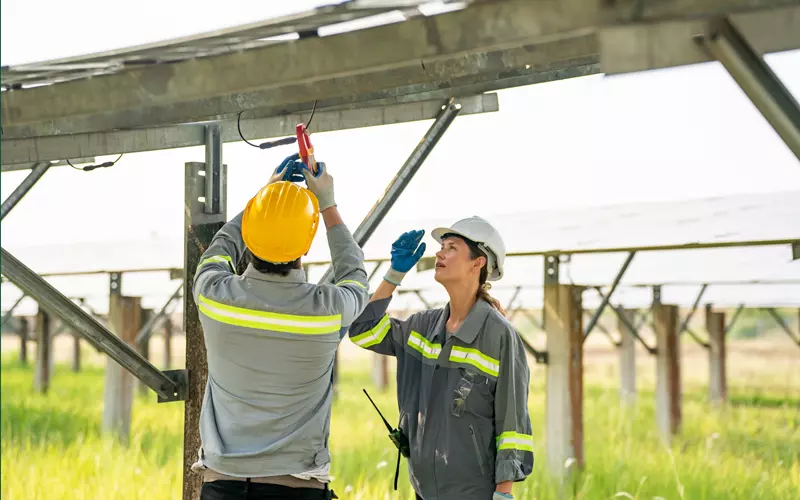
Ground-mounted solar systems place panels on a dedicated structure installed in an open area. This option gives homeowners more control over panel orientation and placement compared with a fixed roof surface. :contentReference[oaicite:1]{index=1}
Ground mounts may be worth considering when a property has:
- Open, sunny space away from buildings and trees
- A roof that is shaded, too small, or structurally unsuitable
- A need for easier access to panels for inspection or maintenance
- A desire to expand the solar array in the future
Advantages of Ground Mount Solar
- Flexible positioning: Panels can be placed where sunlight conditions are best.
- Easier access: Maintenance activities can often be performed from ground level.
- No roof penetrations: The solar array does not attach to the home’s roofing materials.
- Design flexibility: Homeowners are not limited by roof size or shape.
Potential Challenges of Ground Mount Solar
- It requires available land with proper sunlight exposure.
- Installation may involve excavation, foundations, and underground electrical work.
- Property setbacks, zoning rules, or neighborhood requirements may affect placement.
- The array occupies usable outdoor space.
Pole Mount Solar: A Specialized Solution
Pole-mounted solar systems raise panels above the ground using a strong vertical support structure. They can be useful when a homeowner wants a small footprint, increased height, or a location separate from the home.
Pole mounts are often considered for properties where:
- The roof is not a good solar location
- Available land is uneven or limited
- Panels need additional height above vegetation or obstacles
- A homeowner wants the array separated from the house
Advantages of Pole Mount Solar
- Requires less ground area than many traditional ground mounts.
- Can allow panels to be placed above some shading obstacles.
- Provides flexibility in choosing panel orientation and tilt.
Potential Challenges of Pole Mount Solar
- The support structure requires careful engineering.
- Foundation work is necessary to handle wind and weather loads.
- It may not be the most practical option for larger residential arrays.
Roof Mount vs Ground Mount vs Pole Mount: Quick Comparison
| Factor | Roof Mount | Ground Mount | Pole Mount |
|---|---|---|---|
| Uses yard space | No | Yes | Minimal |
| Design flexibility | Limited by roof | High | High |
| Maintenance access | More difficult | Easier | Easier |
| Best for | Suitable roofs | Open properties | Special site conditions |
| Main limitation | Roof condition and layout | Land availability | Structural complexity |
How St. Louis Homeowners Can Evaluate Their Solar Mounting Options
Homes in the St. Louis area experience seasonal weather changes, including summer heat, storms, and winter conditions. A professional solar evaluation should consider roof materials, structural support, shading patterns, electrical access, and property layout.
Before selecting a mounting style, homeowners should ask:
- Is my roof in good condition for a solar installation?
- How much direct sunlight does my property receive?
- Do I have open land suitable for a ground or pole mount?
- Will future home improvements affect the solar location?
- Which option best fits my long-term property plans?
Frequently Asked Questions About Solar Mounting Types
Is roof mount solar better than ground mount solar?
Neither option is automatically better for every home. Roof mounts work well when the roof has good sunlight exposure and sufficient space. Ground mounts can be a better fit when the roof has limitations or when the property has available sunny land.
Does ground mount solar produce more energy than roof mount solar?
A ground mount can provide more design flexibility because panels can be positioned independently from the roof. However, actual energy production depends on factors such as orientation, shading, system size, equipment, and site conditions.
Can solar panels be installed on any roof?
No. Roof condition, materials, structure, available space, and shading all affect whether a roof is suitable for solar installation.
Are pole mounts common for residential solar?
Pole mounts are less common than roof or standard ground mounts, but they can solve specific property challenges where elevation or limited ground footprint is important.
How do I choose the right solar mounting option?
The best approach is to evaluate your roof, property layout, sunlight conditions, and energy goals together. A professional solar installer can help determine which mounting method fits your home.
Final Thoughts
Roof mount, ground mount, and pole mount solar systems each have a place in residential solar design. Roof mounts often make sense for homes with suitable rooftops, ground mounts offer flexibility for properties with available land, and pole mounts provide a specialized solution for unique site conditions.
For homeowners considering solar in St. Louis, Missouri, the right mounting choice starts with understanding your property. A careful evaluation of sunlight, structure, space, and long-term plans can help you select a solar installation approach designed around your home’s needs.